

 amanda cohen
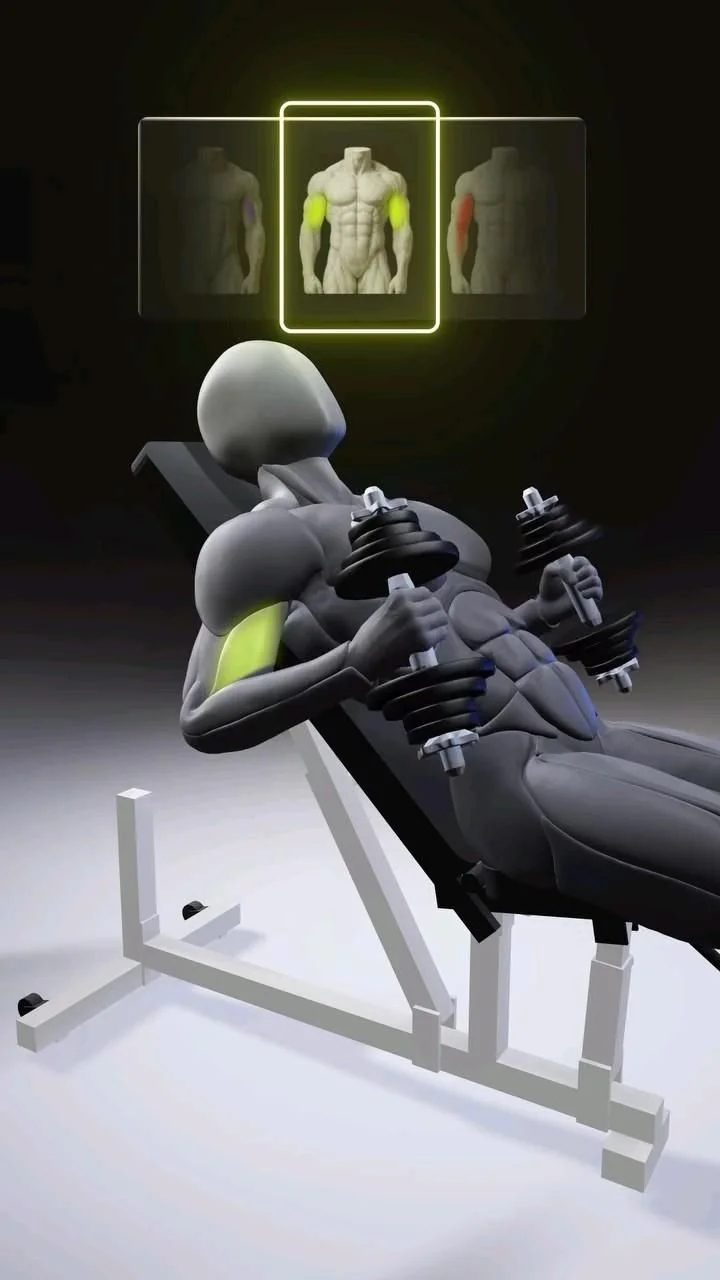
Biceps Workouts: Build Strength, Size, and Definition
Whether your goal is fuller arms, stronger pulls, or better aesthetics, focused biceps training can make a noticeable difference. This article breaks down the muscle anatomy, effective exercises, programming tips, and common mistakes so you can design a smarter biceps routine and see consistent progress. For balance in your training, don’t neglect lower-body work like a solid upper-leg workout routine—leg strength supports overall athleticism and hormonal responses that aid arm development.
Anatomy and Function — Why It Matters
The biceps brachii has two heads (long and short) and acts primarily as an elbow flexor and forearm supinator. The brachialis and brachioradialis are accessory muscles that contribute to arm thickness and pulling power. Understanding how each muscle contributes helps you choose exercises and grips that target different parts of the arm:
- Supinated (palms-up) grips emphasize the biceps brachii.
- Neutral grips (hammer variations) emphasize the brachialis and brachioradialis.
- Incline positions put more stretch on the long head for peak development.
Exercise Selection — Build a Balanced Arm
A good biceps workout includes movements that hit the muscle through different ranges and grips:
- Barbell curls: great for overall loading and progressive overload.
- Dumbbell alternating curls: allow unilateral focus and greater range of motion.
- Hammer curls: build thickness by targeting the brachialis.
- Incline dumbbell curls: emphasize the long head with more stretch.
- Preacher curls: limit momentum and isolate the biceps peak.
For technique tips and evidence-backed curl variations, see this guide on how to curl for bigger biceps.
Programming Principles
Keep these principles in mind when structuring biceps work:
- Frequency: 2–3 direct biceps sessions per week tends to be optimal for most lifters.
- Volume: Aim for 8–20 quality sets per week per arm, adjusted by experience and recovery.
- Intensity: Use a mix of heavy sets (6–8 reps), moderate sets (8–12 reps), and lighter sets (12–20 reps) to target strength, hypertrophy, and endurance.
- Progressive overload: Increase weight, reps, or quality of reps over time rather than chasing novelty.
Sample weekly split:
- Day A (strength focus): 4 sets of 6–8 reps barbell curls + 3 sets of hammer curls 8–10 reps
- Day B (hypertrophy focus): 3 sets of incline dumbbell curls 10–12 reps + 3 sets of preacher curls 12–15 reps
Technique and Common Mistakes
Good technique yields better gains and fewer injuries.
- Avoid excessive swinging: Keep the torso stable to ensure the biceps are doing the work.
- Control both concentric and eccentric phases: A slow eccentric (2–3s) increases time under tension for hypertrophy.
- Full range of motion: Lower fully to the stretched position and curl to near full contraction.
- Mind-muscle connection: Focus on feeling the biceps contract; small tweaks in elbow positioning can change the stimulus.
Advanced Methods
Once basic strength and form are solid, apply advanced techniques sparingly:
- Drop sets and rest-pause: Useful for increasing volume without adding sessions.
- Tempo training: Emphasize slow eccentrics or paused contractions.
- Partials: Useful when working above failure limits to increase time under tension.
- Pre-exhaust or supersets: Pair biceps exercises with triceps or back movements to manage fatigue and training density.
Recovery and Nutrition
Muscle growth happens between sessions. Prioritize:
- Sleep: 7–9 hours per night supports recovery and hormone balance.
- Protein: Aim for roughly 1.6–2.2 g/kg bodyweight daily to support hypertrophy.
- Calorie balance: A modest surplus helps maximize size gains; maintain a slight deficit if leaning out but expect slower growth.
Sample Workouts
Beginner (2x/week):
- Barbell curl: 3 sets x 8–10 reps
- Hammer curl: 2 sets x 10–12 reps
- Incline dumbbell curl: 2 sets x 12–15 reps
Intermediate (3x/week, split volume):
Day 1 (Strength)
- Heavy barbell curls: 4 x 6–8
- Preacher curls: 3 x 8–10
Day 2 (Volume)
- Alternating dumbbell curls: 3 x 10–12
- Hammer curls: 3 x 12–15
- Cable curls (slow eccentric): 2 x 15–20
Adjust load and rest according to goals; beginners should focus more on form and consistency than advanced intensity techniques.
Tracking Progress
Keep a simple training log: exercise, sets, reps, and any notes about form or tempo. Track mid-arm measurements and progress photos every 4–8 weeks to monitor changes beyond the scale. If gains stall, adjust volume, increase recovery, or vary exercise selection.
Conclusion
To expand your exercise library and watch detailed demonstrations of effective movements, check out this comprehensive collection of Biceps Exercises: 200+ Free Video Exercise Guides which can help you apply the techniques discussed above.


GIPHY App Key not set. Please check settings