

 Riri
Riri
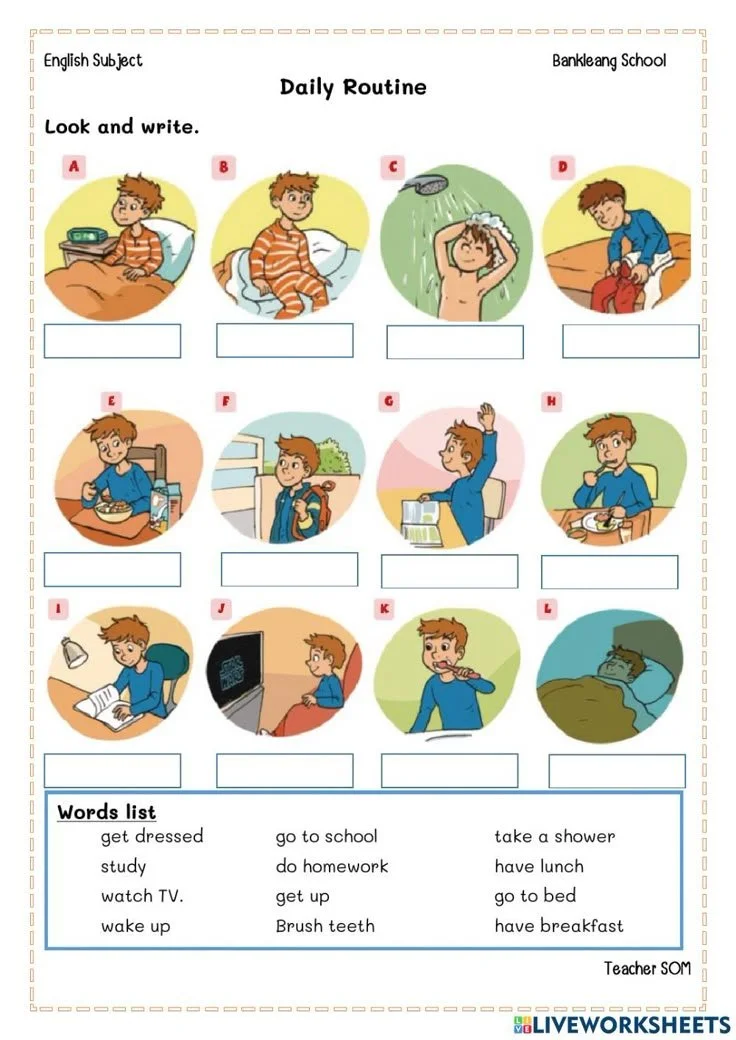
Daily Online Exercise Routine for Grade 4–6
Introduction
Children in grades 4–6 are growing fast — their bodies and brains both benefit from short, daily movement breaks. An online exercise routine can be simple, fun, and safe when it follows a predictable structure: warm-up, active play, focused strength or balance work, and cool-down. For teachers and parents setting up sessions, include clear visuals and short cues so kids know what to do. Try including a few posture-friendly moves — for example, some shoulder and upper-back drills that are easy to teach and help kids sit taller (shoulder-friendly warm-ups).
Why a daily routine helps
- Improves attention and mood: Short activity breaks help kids return to schoolwork refreshed.
- Builds basic fitness: Daily practice develops coordination, strength, and flexibility gradually.
- Creates healthy habits: Repeating the same routine each weekday makes exercise feel normal and doable.
Quick 15–20 minute online routine (ideal for at-home or classroom Zooms)
-
Warm-up (3–4 minutes)
- March or light jog in place for 60 seconds.
- Arm circles, shoulder rolls, and gentle side bends (30–40 seconds each).
- Dynamic stretches: leg swings, ankle rolls, and fingertip reaches.
-
Cardio burst (3 minutes)
- Choose one: jumping jacks, star hops, or pretend jump-rope. Do 3 rounds of 30 seconds on, 20 seconds rest.
-
Focused strength and balance (6–8 minutes)
- Bodyweight squats: 2 sets of 8–12.
- Wall push-ups or incline push-ups: 2 sets of 6–10.
- Core game: hold a modified plank for 15–30 seconds, repeat twice. Pair core holds with fun challenges (e.g., count aloud or balance a soft toy).
- Simple guided core-strength activities can be adapted for kids with progressions and easier variations (kid-safe core-strength activities).
-
Balance and coordination (2 minutes)
- Single-leg stands (20 seconds each leg), then heel-to-toe walking across the room.
- Add a catching game or gentle toss to increase coordination.
-
Cool-down and breathing (2–3 minutes)
- Slow walking in place, deep belly breaths, and gentle stretches for calves, quads, shoulders, and neck.
- Finish with a positive affirmation or group high-five to close on an upbeat note.
Modifications and safety
- Space: Ensure a clear area free of sharp corners or fragile objects.
- Pace: Let kids work at their own intensity. Offer easier and harder options.
- Supervision: A teacher, parent, or older student should model and watch for safe form.
- Medical needs: Check for any health concerns (asthma, heart conditions, or joint problems) and modify accordingly.
Engaging kids online
- Use upbeat music and visuals: short exercise videos, timers, and on-screen cues keep attention.
- Keep it consistent: same start signal, same warm-up, and a predictable cool-down help kids settle in.
- Make it playful: name moves creatively (e.g., “rocket jumps” or “starfish stretch”) and add short challenges or points.
- Invite short reports: each child shares one thing they liked about the session to build routine and accountability.
Tracking progress and motivation
- Simple sticker charts, digital badges, or a weekly “move log” encourage consistency.
- Celebrate improvements in balance, number of repetitions, or how long a child can hold a plank.
- Rotate the focus weekly (endurance week, balance week, strength week) to keep things fresh.
Tips for teachers and parents
- Keep sessions brief and frequent: 10–20 minutes is ideal for attention spans in this age group.
- Incorporate cross-curricular links: count reps for math practice, describe movements for language development, or time circuits for basic data skills.
- Model enthusiasm: kids mimic energy and tone. A positive leader makes all the difference.
Conclusion
For educators planning online activity programs, pairing movement routines with age-appropriate digital literacy helps students navigate guided sessions safely and responsibly. See the Digital Media Literacy Framework for Grades 4–6 for useful guidance on teaching students how to engage with digital content and online lessons.


GIPHY App Key not set. Please check settings