

 amanda cohen
Donkey Kick Mistakes You Should Avoid for Better Glutes
Donkey kicks are a simple, equipment-free exercise that target the gluteus maximus and help build strength, shape, and hip stability. Done correctly, they can be a staple in a glute-focused routine; done poorly, they reinforce compensations and waste effort. Before you start, remember that good posture and balanced upper-body control support lower-body work — if you want tips on complementary upper-body stability training, check this basic shoulder exercise guide that pairs well with lower-body routines.
Below are common mistakes people make with donkey kicks, why they matter, and how to fix them so every rep counts.
1. Letting the Lower Back Overextend
Mistake: Arching the lumbar spine to lift the leg higher.
Why it’s bad: Overextension shifts the work away from the glutes and onto the lower back, increasing injury risk.
Fix: Keep a neutral spine and brace your core. Think of lengthening the torso and pressing the ribcage slightly down. Lift through the hip so the glute does the work; a smaller, controlled range is better than a high, compensatory swing.
2. Using Momentum Instead of Muscle
Mistake: Jerky, fast kicks that use momentum.
Why it’s bad: Momentum reduces muscle time under tension and lowers activation.
Fix: Perform slow, controlled reps (2 seconds up, 1-second hold, 2 seconds down). Pause briefly at the top to feel the contraction. Slower tempo increases glute recruitment and builds strength more effectively.
3. Allowing Hip Rotation or Dropping the Hips
Mistake: Torso or hips rotate or the hip on the working side drops toward the floor.
Why it’s bad: Rotation and sagging reduce glute isolation and can load the lower back and opposite hip.
Fix: Square your hips to the mat and keep the pelvis level. Engage the obliques lightly to stabilize. Use a mirror or filming yourself to monitor hip alignment.
4. Pushing Through the Foot Instead of the Heel
Mistake: Pointing the foot and kicking with the toes.
Why it’s bad: Using the toes shifts emphasis to the hamstrings and calves.
Fix: Flex the foot and press the heel up toward the ceiling. Visualize pushing the floor away with your heel to emphasize the gluteus maximus rather than the hamstrings.
5. Poor Core Engagement
Mistake: Letting the midsection relax, allowing the spine to sag.
Why it’s bad: A lax core reduces stability, limits force transfer from glutes, and strains the back.
Fix: Brace the core as if preparing for a light punch to the stomach. Maintain that tension throughout each rep without holding your breath.
6. Neglecting Glute Activation Before Sets
Mistake: Jumping straight into donkey kicks without priming the glutes.
Why it’s bad: Dormant glute muscles may underperform, letting other muscles compensate.
Fix: Do quick activation drills first — a few glute bridges, banded lateral walks, or single-leg glute squeezes. For a deeper guide to waking up underactive glutes and improving mobility, see this glute activation and mobility resource.
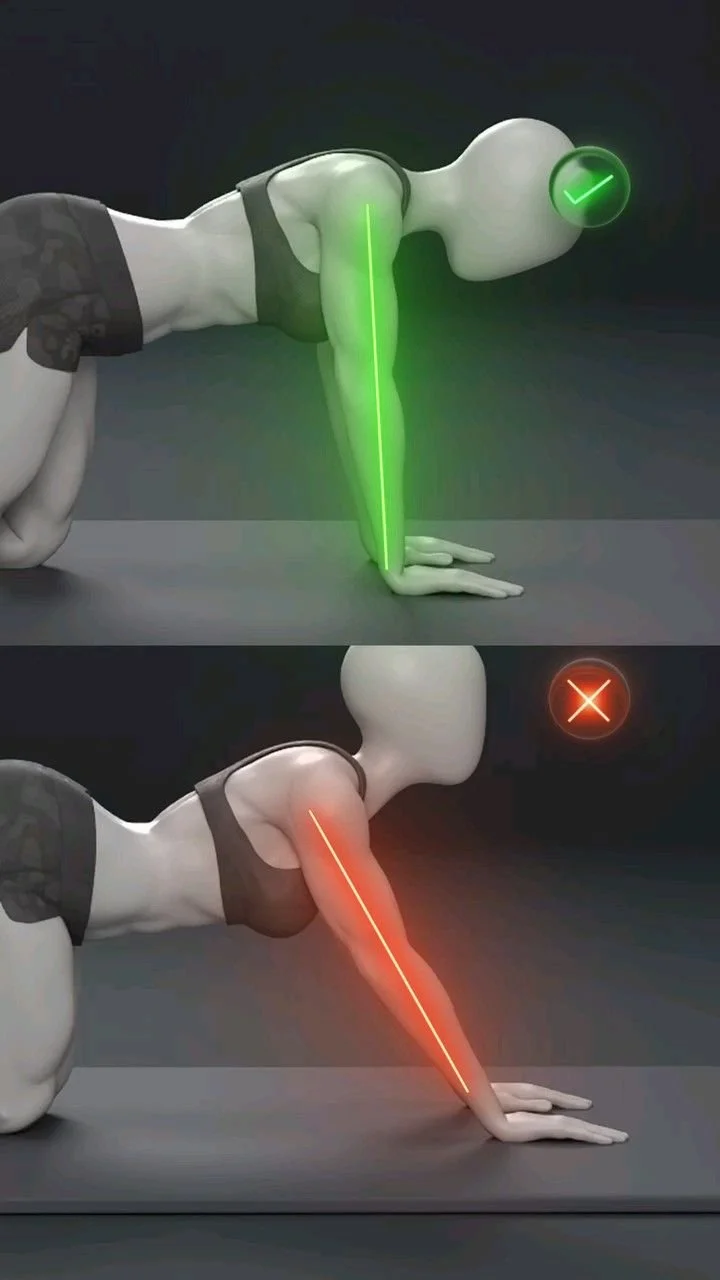
7. Wrong Head and Neck Position
Mistake: Dropping the head to look at the floor or craning the neck upward.
Why it’s bad: Poor head alignment can create neck strain and disrupt spinal neutrality.
Fix: Keep a neutral neck: eyes down at the mat a few inches in front of your hands. Align ears over shoulders.
8. Doing Too Many Reps With Poor Quality
Mistake: High-rep volume with sloppy form to “feel the burn.”
Why it’s bad: Repetition of poor form ingrains bad movement patterns and increases injury risk.
Fix: Prioritize form over reps. Use moderate rep ranges (8–15) with proper technique. If fatigue causes form deterioration, stop, rest, and reset.
Progressions and Variations (Safely)
- Band-resisted donkey kicks: Add a loop around your knees or feet to increase glute activation once form is solid.
- Cable or machine donkey kicks: A controlled resistance machine can add load while promoting better alignment.
- Pulse at the top: Small 10–15 pulses at the peak contraction can intensify the stimulus without compromising form.
- Single-leg bridges and hip thrusts: Complement donkey kicks with heavier hip-dominant moves for overall glute strength.
Quick Form Checklist
- Neutral spine, long torso
- Hips level, no rotation
- Core engaged, no breath-holding
- Heel-driven lift, slight flexed foot
- Slow, controlled tempo with a top hold
- Pause if form fails
Conclusion
Avoiding common donkey kick mistakes is mostly about control, alignment, and intentional muscle engagement. When done right, donkey kicks are an effective, low-impact way to strengthen and shape the glutes. For a practical how-to and ideas to add donkey kicks into your routine, see this helpful guide: Add Donkey Kicks to Your Workouts for Stronger Glutes | The Output.

GIPHY App Key not set. Please check settings