

 amanda cohen
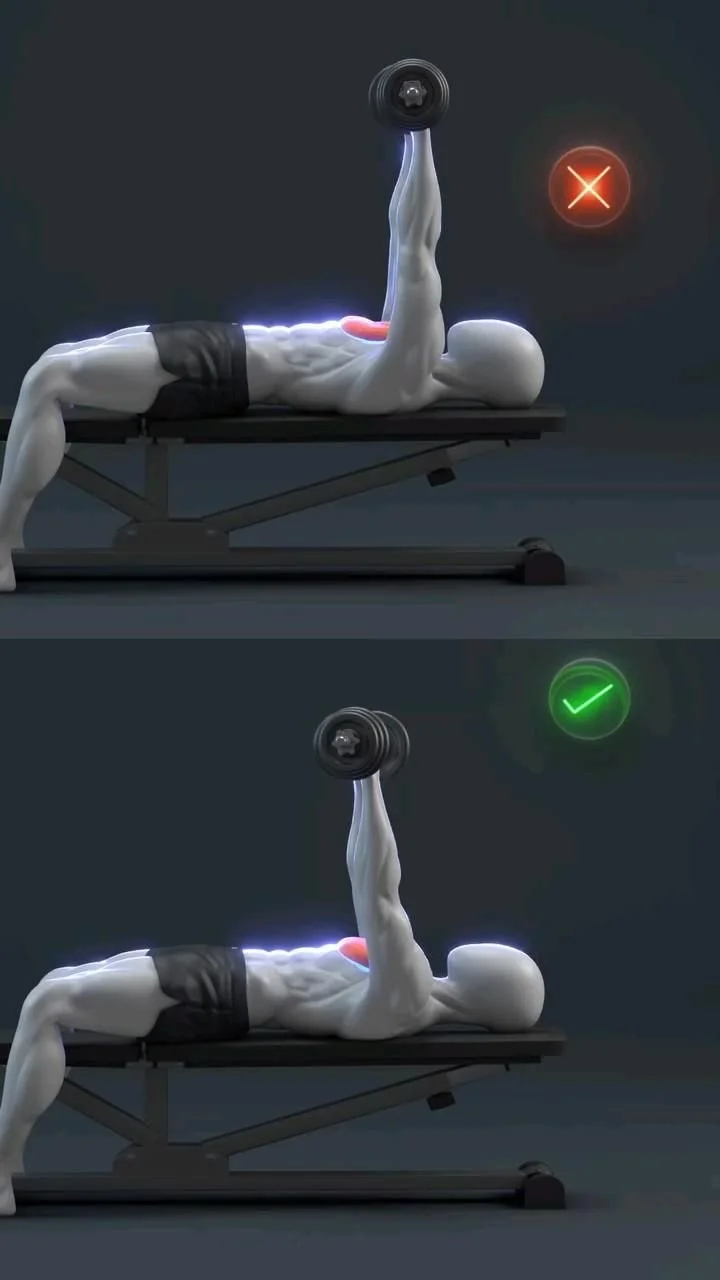
Dumbbell Press Precision
The dumbbell bench press is a foundational chest movement that builds size, strength, and muscular balance by forcing each side of the body to work independently. Whether you’re a beginner or an experienced lifter, mastering its technique improves pressing power and reduces imbalances. For complementary chest work that targets the upper pecs, review this perfect incline bench press form guide to round out your routine.
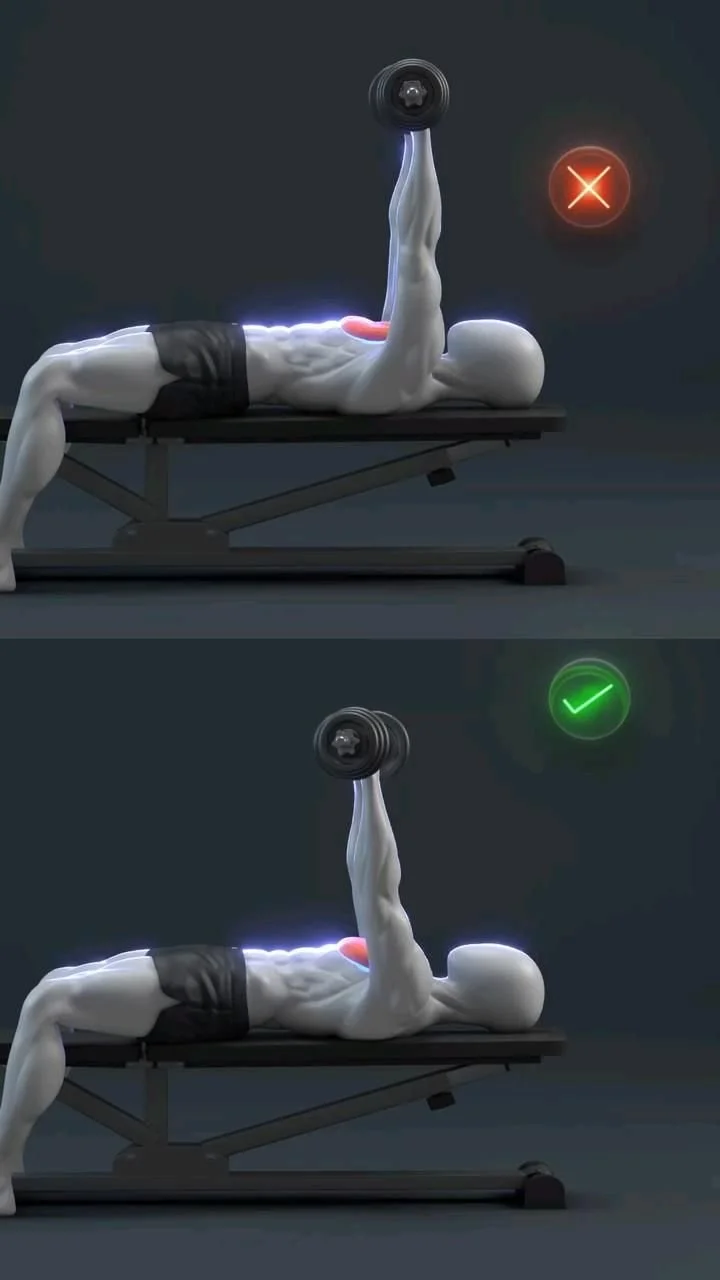
Benefits
- Increased range of motion compared with a barbell press, promoting fuller pec activation.
- Better unilateral development, which helps correct left-right strength differences.
- Greater shoulder stability demand, encouraging improved control and joint health.
How to perform the dumbbell bench press (step-by-step)
- Setup: Lie flat on a bench with feet planted. Hold a dumbbell in each hand resting on your thighs.
- Get into position: Use your legs to help bring the dumbbells up as you roll back and position them at chest level with palms facing forward or slightly angled.
- Press: Drive the weights up and together until your arms are nearly locked out, exhaling as you press.
- Lower: Inhale and slowly lower the dumbbells in a controlled arc back to the chest, feeling a stretch in the pecs.
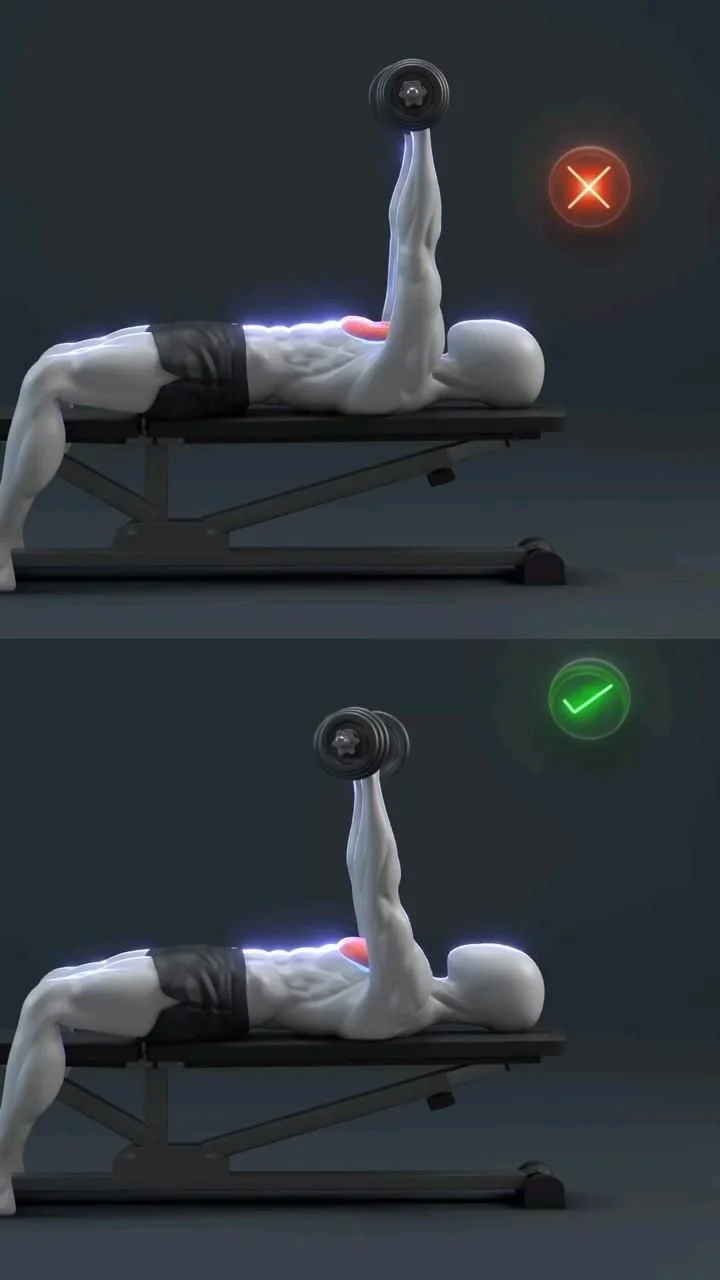
- Repetition cues: Keep elbows at roughly a 45-degree angle to protect the shoulders, maintain a neutral spine, and avoid flaring the ribs excessively.
Common variations
- Neutral-grip dumbbell press: Hold palms facing each other to reduce shoulder strain.
- Single-arm dumbbell press: Emphasizes core stability and further corrects imbalances.
- Incline/decline dumbbell presses: Shift emphasis across the upper and lower chest fibers.
Programming and progression
- Beginners: 3–4 sets of 8–12 reps with moderate weight to learn technique.
- Strength focus: 4–6 sets of 4–6 reps using heavier loads and longer rest.
- Hypertrophy focus: 3–5 sets of 6–12 reps with controlled tempo and moderate rest.
Include accessory work for the shoulders and triceps; a few focused sets of dumbbell shoulder workouts can improve pressing performance and resilience.
Safety and troubleshooting
- If shoulders feel stressed, reduce range of motion and check elbow angle.
- Use a spotter or lighter loads when pushing near failure.
- Prioritize controlled negatives to protect tendons and improve strength gains.
Conclusion
For a clear visual walkthrough and additional coaching cues, consult this video guide and tips for the dumbbell bench press to reinforce proper form and variation ideas.


GIPHY App Key not set. Please check settings