
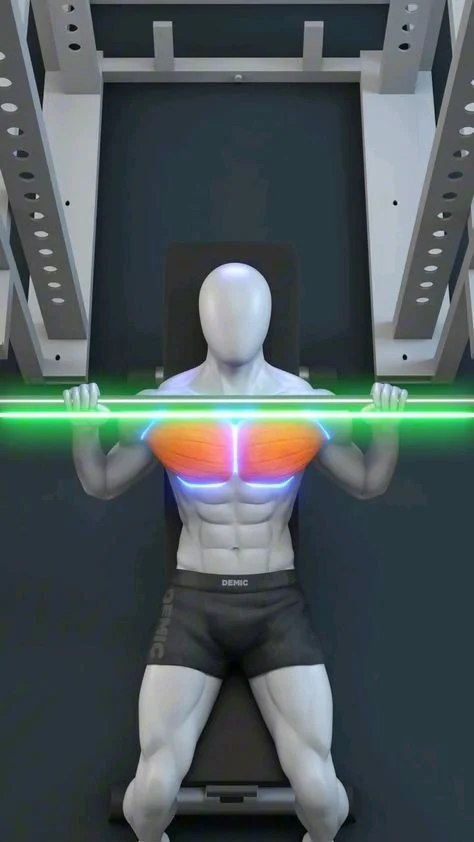
Incline Edge: Upper-Chest Builder
The incline bench press is a cornerstone movement for developing the upper chest, improving shoulder stability, and adding thickness to your clavicular fibers. Whether your goal is aesthetics, strength, or better pressing mechanics, dialing in incline technique pays big dividends. For complementary isolation work to finish a session, consider pairing it with a focused chest fly routine such as the chest fly workout guide.

Technique and setup
- Bench angle: Set the bench between 30–45 degrees. Lower angles emphasize the mid-chest; higher angles shift load toward the shoulders.
- Foot and back position: Drive your feet into the floor, maintain a slight arch, and keep the scapulae pinched to create a stable pressing platform.
- Grip and path: Use a medium grip (just outside shoulder width). Lower the bar to the upper chest/clavicular area and press back up in a slightly diagonal path toward the rack.
- Breathing and tempo: Inhale on the descent, pause briefly at the bottom, and explode upward while exhaling. Controlled eccentric tempo improves muscle recruitment.
Programming tips
- Strength focus: 4–6 sets of 3–6 reps with heavier loads, longer rest (2–3 minutes).
- Hypertrophy focus: 3–5 sets of 6–12 reps, moderate rest (60–90 seconds).
- Frequency: Train incline bench 1–2 times per week, adjusting volume across the week to avoid overuse.
- Progression: Increase load gradually, prioritize form, and use paused reps or slow eccentrics to break plateaus.
Variations and accessories
- Dumbbell incline press: Greater range of motion and unilateral balance work.
- Neutral-grip incline press: Reduces shoulder strain while targeting the upper chest.
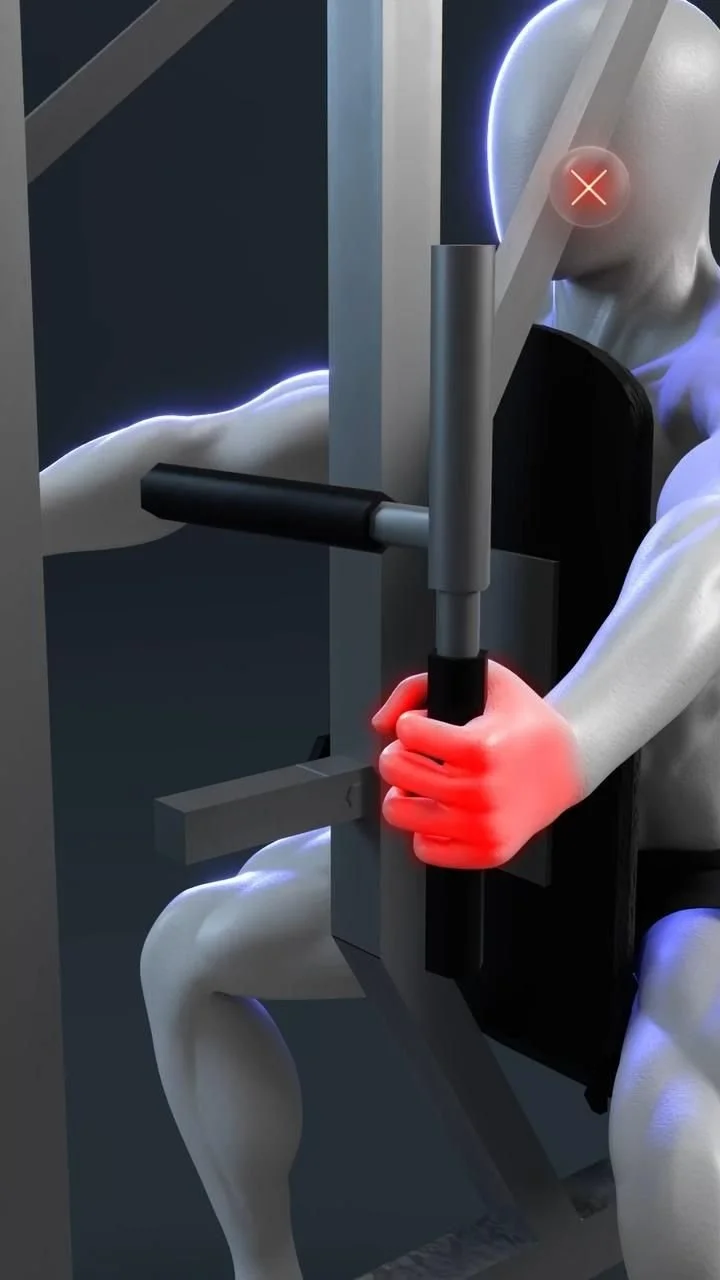
- Incline machine or Smith press: Good for high-volume days or beginner lifters.
- Accessories: Incline dumbbell flyes, cable crossovers from low to high, and triceps strengthening exercises improve overall pressing performance.
Common mistakes to avoid
- Too steep an angle — turns the lift into more of a shoulder press.
- Flaring elbows excessively — increases shoulder stress and reduces chest engagement.
- Using momentum — control the descent to maximize muscle stimulus.
Sample incline-focused workout
- Warm-up: 5–10 minutes of mobility and light incline presses (2 sets of 12)
- Main lift: Incline barbell press — 4 sets of 6–8 reps
- Secondary: Incline dumbbell press — 3 sets of 8–10 reps
- Accessory: Cable or dumbbell flyes — 3 sets of 10–15 reps
- Finishers: Push-up variations or dips for 2–3 sets to failure — use bodyweight and progression guidelines like those in the bodyweight chest workout and push-ups resource.

Conclusion
For a clear, step-by-step video demonstration and additional technique pointers, consult this Incline Bench Press: Video Exercise Guide & Tips.


GIPHY App Key not set. Please check settings