
High-Protein Grocery List: Best Foods for Weight Loss & Muscle Gain
Introduction
A smart high-protein grocery list does double duty: it helps you lose fat by increasing satiety and supports muscle gain by supplying the building blocks for repair and growth. Nutrition pairs best with consistent resistance work — for example, pairing this grocery plan with targeted training like best upper leg workouts can accelerate strength and physique changes. Below is a practical, food-first guide to stocking your kitchen for both goals.
Why protein matters (brief)
- Protein supports muscle protein synthesis and recovery after workouts.
- It increases fullness more than carbs or fats, helping control calories for weight loss.
- High-protein meals can modestly boost metabolism through the thermic effect of food.
Protein categories and top choices
Animal proteins (complete, high bioavailability)
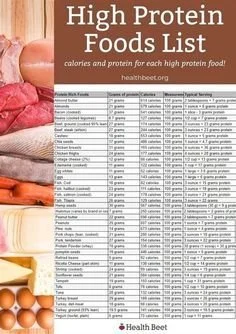
- Chicken breast: Lean, versatile, ~25–31 g protein per 100 g cooked.
- Turkey: Similar to chicken; great ground for patties or chili.
- Lean beef: Opt for 90%+ lean cuts or ground beef for higher protein density.
- Pork tenderloin: Lean option with good micronutrients.
- Fish and seafood: Salmon, tuna, cod, shrimp — excellent protein plus healthy fats (especially oily fish).
Dairy and eggs (fast, convenient)
- Eggs: Whole eggs provide protein and nutrients; egg whites concentrate protein.
- Greek yogurt: Thick, high-protein option for breakfasts and snacks.
- Cottage cheese: Slow-digesting casein protein good before sleep.
- Skim or low-fat milk: Good post-workout shake base.
Plant proteins (fiber + nutrients)
- Legumes: Lentils, black beans, chickpeas — combined with grains they provide complete protein.
- Tofu and tempeh: High-quality soy proteins that absorb flavors well.
- Edamame: Snackable soybeans with solid protein per serving.
- Quinoa: A grain-like seed with a complete amino acid profile.
- Nuts and seeds: Almonds, pumpkin seeds, chia — dense in calories but nutrient-rich; use in moderation.
Convenient high-protein options
- Canned tuna or salmon: Shelf-stable and economical.
- Rotisserie chicken: Time-saver for salads and bowls.
- Protein powders: Whey, casein, or plant blends for quick shakes.
- Jerky: For portable protein; choose low-sugar varieties.
Shopping tips for success
- Buy in bulk when possible (frozen chicken breasts, bags of lentils, frozen fish) to save money and reduce waste.
- Read labels for protein per serving and avoid high-sugar or high-sodium packaged items.
- Prioritize whole foods; packaged high-protein products can be convenient but often contain fillers.
- Plan meals around a protein target (e.g., 25–35 g per meal) and use protein to structure your plate first.
Sample high-protein grocery list (foundation items)
- Proteins: Chicken breast, lean ground turkey, canned tuna, salmon fillets, eggs
- Dairy: Greek yogurt, cottage cheese, low-fat milk
- Plant: Lentils, chickpeas, quinoa, tofu
- Snacks: Almonds, pumpkin seeds, jerky
- Others: Olive oil, spices, frozen vegetables, leafy greens, sweet potatoes
Meal prep ideas
- Batch-cook lean proteins: Roast a tray of chicken breasts or bake salmon portions to toss into salads and bowls.
- One-pot legume meals: Simmer lentils with spices and greens for quick protein-rich lunches.
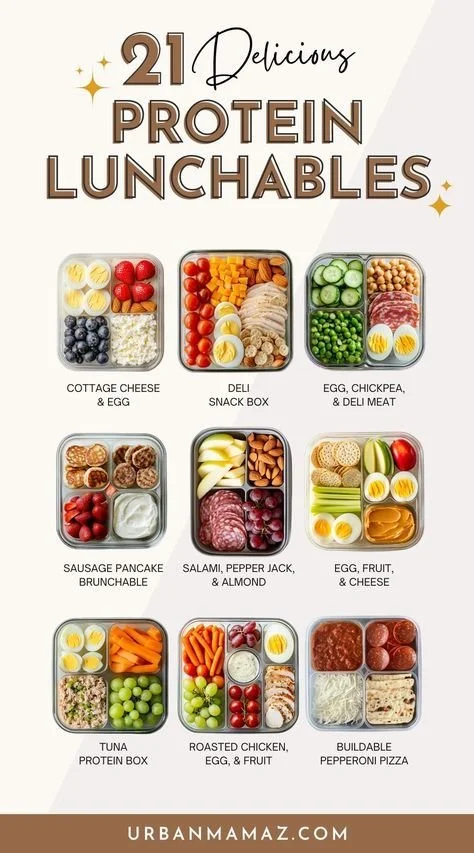
- High-protein breakfasts: Greek yogurt with berries and chia, or egg scrambles loaded with veggies.
- Freezer-ready portions: Freeze individual portions of cooked proteins and quinoa for easy reheating.
- Hearty soups and chilis: Make a big pot of protein-forward chili using lean turkey or beans. For inspiration on a flavorful comfort option, try this white chicken chili that balances protein and vegetables.
How to combine macros for weight loss + muscle gain
- Aim for a slight calorie deficit for weight loss (unless prioritizing muscle gain), with protein elevated to preserve lean mass.
- Prioritize protein at each meal and fill remaining plate with vegetables for volume and fiber, and moderate whole-grain carbs around training sessions.
- Track progress and adjust overall calories while keeping protein relatively constant (e.g., 1.6–2.2 g/kg body weight depending on goals).
Practical shopping checklist (printable-friendly)
- Protein: chicken, turkey, lean beef, fish, eggs
- Dairy: Greek yogurt, cottage cheese, milk
- Plant: tofu, tempeh, lentils, beans, quinoa
- Snacks: nuts, seeds, jerky, protein bars (minimal sugar)
- Produce: spinach, broccoli, bell peppers, berries, bananas
- Staples: olive oil, spices, low-sodium broths, canned tomatoes
Conclusion
A high-protein grocery list simplifies decision-making and helps you stay consistent with both fat loss and muscle-building goals. For an easy-to-follow, beginner-friendly checklist you can bring to the store, see The Ultimate High-Protein Grocery List For Beginners | Nourish.


GIPHY App Key not set. Please check settings