

 amanda cohen
High-Protein Vegetables: Smart Ways to Add Plant Protein to Your Plate
As more people choose plant-forward meals for health, environment, or ethical reasons, knowing which vegetables supply meaningful protein becomes useful. While vegetables typically contain less protein per calorie than animal foods or legumes, several provide significant amounts, and smart combinations and cooking methods can help you meet your daily needs without relying heavily on meat or dairy.
Why vegetable protein matters
- Complements a varied diet: Vegetables contribute vitamins, minerals, fiber, and phytonutrients while also adding protein to meals.
- Helps muscle maintenance and satiety: Regular protein at meals supports muscle repair and keeps you fuller longer.
- Useful for flexitarians and many plant-based eaters: High-protein vegetables let you reduce animal products without sacrificing protein intake.
High-protein vegetables to focus on (approximate protein per cooked cup or medium item)
- Edamame (shelled soybeans): ~17 g per cup — one of the richest vegetable sources of complete protein.
- Green peas: ~8–9 g per cup — versatile and easy to add to many dishes.
- Spinach (cooked): ~5–6 g per cup — concentrated when cooked; also high in iron.
- Lentil sprouts / sprouted lentils: variable, but sprouting boosts protein availability (note: lentils are legumes often eaten like vegetables).
- Artichoke (medium): ~4–5 g each — a nice whole-vegetable protein boost.
- Broccoli (cooked): ~4 g per cup — packs protein plus fiber and sulforaphane.
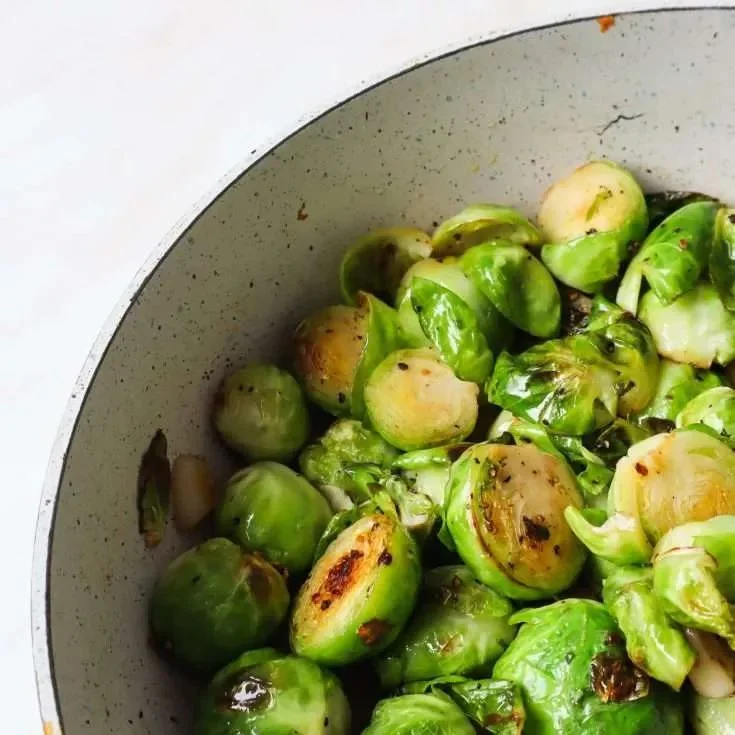
- Brussels sprouts (cooked): ~4 g per cup — great roasted or shredded into salads.
- Asparagus (cooked): ~4 g per cup — delicate but nutritious.
- Potato (medium, with skin): ~4 g — starchy and filling source of protein for many cultures.
- Corn (cooked): ~4–5 g per cup — sweeter grain-vegetable that adds calories and protein.
- Mushrooms (cooked): ~2–3 g per cup — different varieties vary; some are more meaty in texture and flavor.
- Kale (cooked): ~3–4 g per cup — nutrient-dense leafy green.
Notes: Values are approximate and depend on preparation. “Vegetable” definitions sometimes overlap with legumes (edamame, peas) and starchy vegetables (potatoes, corn). For concentrated protein, include legumes, pulses, and soy products alongside these vegetables.
How to get more usable protein from vegetables
- Combine complementary foods: Pair vegetables with grains, nuts, seeds, or dairy to improve amino acid balance (e.g., peas + rice, broccoli + quinoa).
- Use concentrated forms: Tofu, tempeh, and edamame are soy-based and high in protein; they’re often categorized with vegetables in meals.
- Roast, pan-sear, or char: These methods reduce water content and intensify flavor, helping you eat larger, more satisfying portions.
- Add powdered boosts: Nutritional yeast, pea protein powder, or ground seeds (hemp, flax) can increase protein density in sauces, smoothies, and dressings.
- Include legumes and pulses: While not all strictly “vegetables,” lentils, chickpeas, and beans pair naturally with many veggies to raise meal protein.
Meal ideas and swaps
- Stir-fry: Tofu or edamame + broccoli, asparagus, mushrooms over brown rice — easy and protein-rich.
- Buddha bowl: Roasted sweet potato + kale + chickpeas + quinoa + tahini dressing.
- Hearty soups: Split pea or lentil soups with carrots, onions, and spinach.
- Salads that sustain: Spinach or kale base with roasted Brussels sprouts, roasted chickpeas, pumpkin seeds, and quinoa.
- Breakfasts: Potato hash with peas and mushrooms, topped with a soft tofu scramble or Greek yogurt (if not vegan).
Practical tips for planning
- Aim for protein at each meal: Target 15–25 g per main meal for many adults; mix high-protein vegetables with grains, seeds, nuts, or soy to reach that.
- Watch portion sizes: Some vegetables are low-calorie, so larger portions or concentrated protein additions may be needed.
- Track variety: Rotate greens, cruciferous vegetables, and legumes to cover a broad amino-acid and micronutrient profile.
- Consider texture and flavor contrasts: Adding crunchy seeds, umami-rich mushrooms, or tangy dressings makes high-protein vegetables more appealing and easier to eat in larger amounts.
Conclusion
For a deeper, evidence-based rundown of specific vegetables and practical serving ideas, see this guide: Vegetables High in Protein: 19 Veggies and How to Eat More.



GIPHY App Key not set. Please check settings