

 Riri
Riri
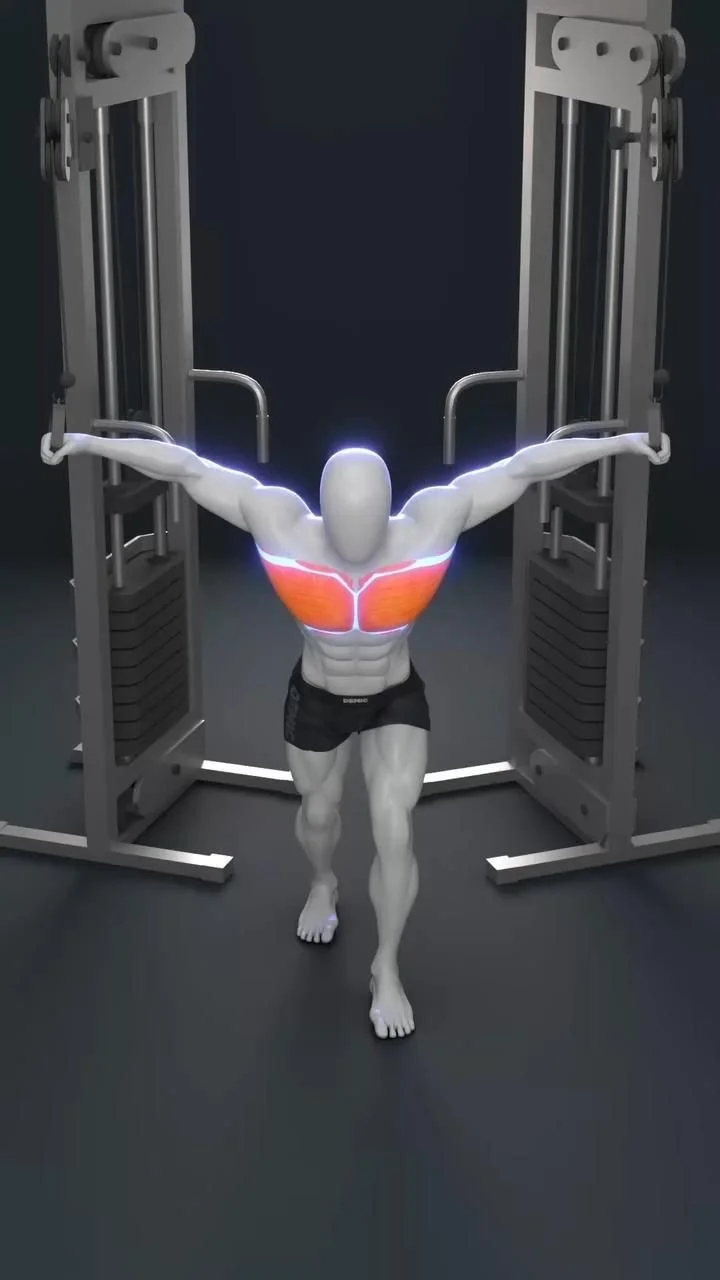
Fly Face-Off: High-to-Low vs Mid Cable
Stop doing the same old cable fly — learn which variation builds the chest you want and how to use each for strength, shape, and balance. If you struggle with shoulder mobility or posture, pair this guide with some complementary mobility work to get the most from every rep: complementary mobility work.
![High-to-Low vs. Mid Cable Fly: The Ultimate Chest-Building Guide 💪
Stop doing the same old cable fly! The an… [Video] in 2025 | Grooming hacks, 5 minute crafts videos, Two by two](https://tavof.com/wp-content/uploads/2026/01/high-to-low-vs-mid-cable-fly-the-ultimate-chest-2026-01-09-080919.webp "High-to-Low vs. Mid Cable Fly: The Ultimate Chest-Building Guide 💪 Stop doing the same old cable fly! The an… [Video] in 2025 | Grooming hacks, 5 minute crafts videos, Two by two 8")
Why choice matters
High-to-low and mid cable flyes both target the chest but emphasize different fibers and movement paths. Choosing the right variation helps you correct imbalances, emphasize specific chest regions, and reduce joint stress so every workout counts.
High-to-Low Cable Fly — What it trains
- Primary emphasis: lower and outer pec fibers and the lower chest line.
- Movement path: cables set high, pulling diagonally downward across the body.
- Best for: adding chest thickness, finishing workouts, and creating a fuller lower-chest sweep.
- Technique cues: lead with the elbows slightly bent, pull with a controlled arc, and squeeze at the bottom for 1–2 seconds. Avoid letting the shoulders shrug forward; keep the scapula stable.
Mid Cable Fly — What it trains
- Primary emphasis: the midline of the pectoralis major (overall chest thickness and inner sweep).
- Movement path: cables set at mid-chest level, moving horizontally toward the midline.
- Best for: improving chest shape, better mind-muscle connection, and balanced hypertrophy.
- Technique cues: step slightly forward for tension, keep hands at chest height, and bring knuckles together without forcing the elbows to lock.
How to choose for your goals
- Build lower-chest fullness: prioritize high-to-low variations at the end of sessions for 3–4 sets of 10–15 slow reps.
- Improve mid-chest definition and inner sweep: use mid cable flyes early in the workout when freshness aids control.
- Shoulder concerns: choose the variation that feels most joint-friendly; lighter loads with perfect form trump heavy sloppy reps.
Programming and progressions
- Beginner: 2–3 sets of mid cable flyes focusing on tempo and range of motion.
- Intermediate: alternate mid and high-to-low within a week (e.g., mid on pressing days, high-to-low on accessory days).
- Advanced: use intensity techniques—drop sets, slow eccentrics, or partials—while maintaining form to target stubborn areas.
Pairing with other exercises
Combine cable flyes with compound presses for overall size (bench or incline), and use unilateral dumbbell work to fix side-to-side strength gaps. For better core stability during standing fly variations, add short core drills to your warm-up routine such as this targeted session: short core stability routine.
![High-to-Low vs. Mid Cable Fly: The Ultimate Chest-Building Guide 💪
Stop doing the same old cable fly! The an… [Video] in 2025 | Grooming hacks, 5 minute crafts videos, Two by two](https://tavof.com/wp-content/uploads/2026/01/high-to-low-vs-mid-cable-fly-the-ultimate-chest-2026-01-09-080921-2.webp "High-to-Low vs. Mid Cable Fly: The Ultimate Chest-Building Guide 💪 Stop doing the same old cable fly! The an… [Video] in 2025 | Grooming hacks, 5 minute crafts videos, Two by two 9")
Conclusion
Choose the cable fly variation that matches your anatomy and goals, focus on form, and program variety week-to-week to keep progress steady. For additional archived guides and movement inspiration, see Jamie Thingelstad’s archive of training and tutorials.



GIPHY App Key not set. Please check settings