

 Riri
Riri
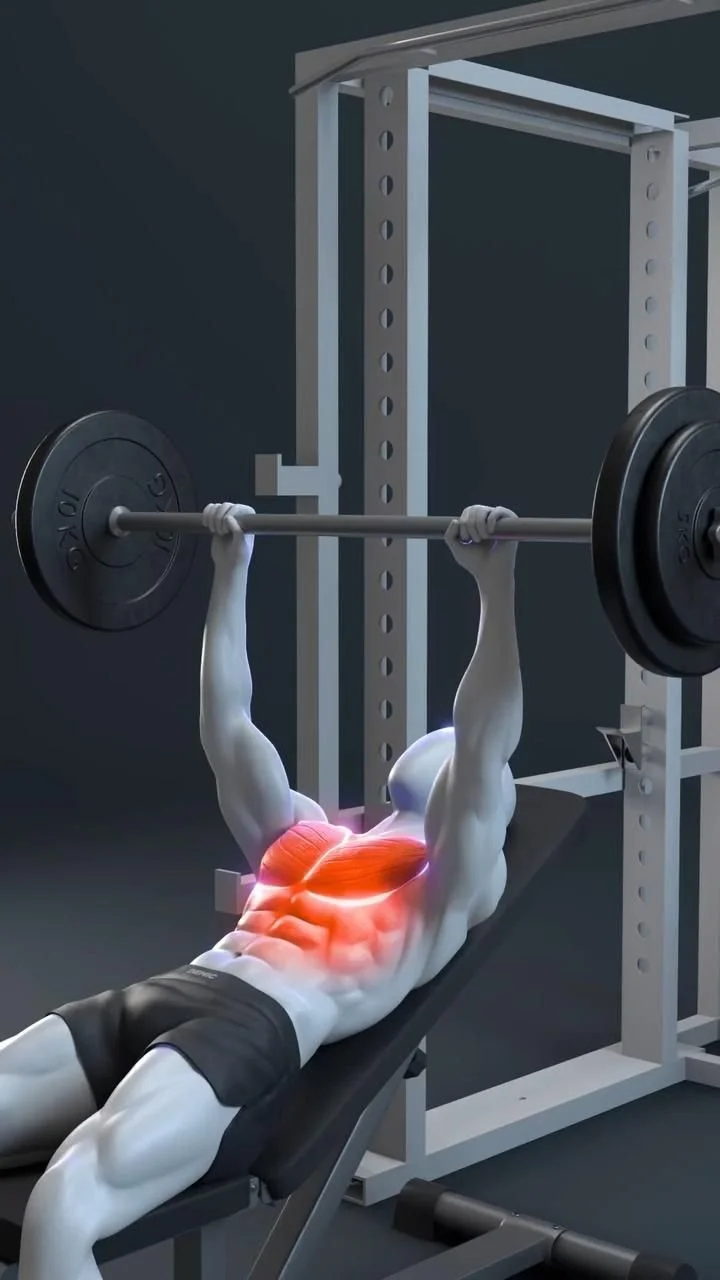
Incline Press — 3 Cues for Maximum Chest
The incline bench is the one lift that separates upper‑chest development from a flat‑bench routine. Use these three concise cues to immediately shift the work onto your chest rather than your shoulders or triceps. For a quick primer on setup and bar path, check the perfect incline bench press form guide.
![Incline Bench Press Form: 3 Quick Cues for MAXIMUM Chest Activation 🔥
This is the bench press cue that separates t… [Video] in 2025 | Bench press form, Incline bench, Bench press](https://tavof.com/wp-content/uploads/2026/01/incline-bench-press-form-3-quick-cues-for-maximum-2026-01-09-080754.webp "Incline Bench Press Form: 3 Quick Cues for MAXIMUM Chest Activation 🔥 This is the bench press cue that separates t… [Video] in 2025 | Bench press form, Incline bench, Bench press 8")
Why these cues matter
- Small technical shifts dramatically change muscle recruitment. With the right setup and intent you’ll feel more contraction in the clavicular portion of the pectoralis major, get better stimulus per rep, and reduce compensatory shoulder strain.
3 quick cues for maximum chest activation
-
Chest up, ribcage forward
- Before you unrack, lift your chest and flare the ribs slightly so your torso creates a 20–35° incline angle to the bench (not a steep shoulder press setup). Think of pushing the sternum up toward the bar as you retract your scapulae — that positions your pecs to lead the lift.
-
Elbow path: tuck, then flare just enough
- Start with elbows tucked roughly 45° from your torso as you lower. As the bar descends, allow a subtle outward flare so the bar tracks over the mid‑chest — not high on the clavicle and not too near the sternum. This midline bar path recruits the pec fibers most effectively.
-
Press the bar with a pressing arc, not brute force
- Visualize pressing the bar slightly back toward your head as you drive upward, creating a smooth arc. Pause briefly at the bottom to create tension, then press with intent to “squeeze” the chest at lockout — not just lock the elbows. Focus on tactile chest contraction over moving the heaviest possible load.
How to apply these cues in a session
- Warm up with scapular retractions and light incline flyes to prime the pecs.
- Use a manageable weight for 3–5 warm sets, each set focusing on the three cues before adding load.
- For working sets, use 6–12 reps with deliberate tempo: 2‑3s down, brief 1s pause, explosive but controlled up.
- If you struggle to feel the chest, drop the weight and emphasize position and intent: better stimulus with lighter weight beats poor mechanics with heavy bar speed.
Common mistakes and quick fixes
- Mistake: Shoulders doing the work — Fix: emphasize chest‑up posture and scapular retraction.
- Mistake: Flared elbows (90°) — Fix: bring elbows closer to 45° to transfer load to pecs.
- Mistake: Too steep an incline — Fix: reduce bench angle; 20–35° is usually optimal for upper chest activation.
Programming and progression tips
- Rotate incline sessions with flat bench and accessory movements (e.g., incline dumbbell press, cable flyes).
- Use progressive overload via controlled reps and incremental volume increases instead of only chasing heavier singles.
- Complement mechanical cues with recovery and nutrition strategies — for daily fueling guidance see this concise piece on 24/7 body fueling tips.
![Incline Bench Press Form: 3 Quick Cues for MAXIMUM Chest Activation 🔥
This is the bench press cue that separates t… [Video] in 2025 | Bench press form, Incline bench, Bench press](https://tavof.com/wp-content/uploads/2026/01/incline-bench-press-form-3-quick-cues-for-maximum-2026-01-09-080755-2.webp "Incline Bench Press Form: 3 Quick Cues for MAXIMUM Chest Activation 🔥 This is the bench press cue that separates t… [Video] in 2025 | Bench press form, Incline bench, Bench press 9")
Conclusion
For more practical tips and community experience on engaging the chest during benching, read this useful community thread on engaging the chest during benching.

GIPHY App Key not set. Please check settings