

 amanda cohen
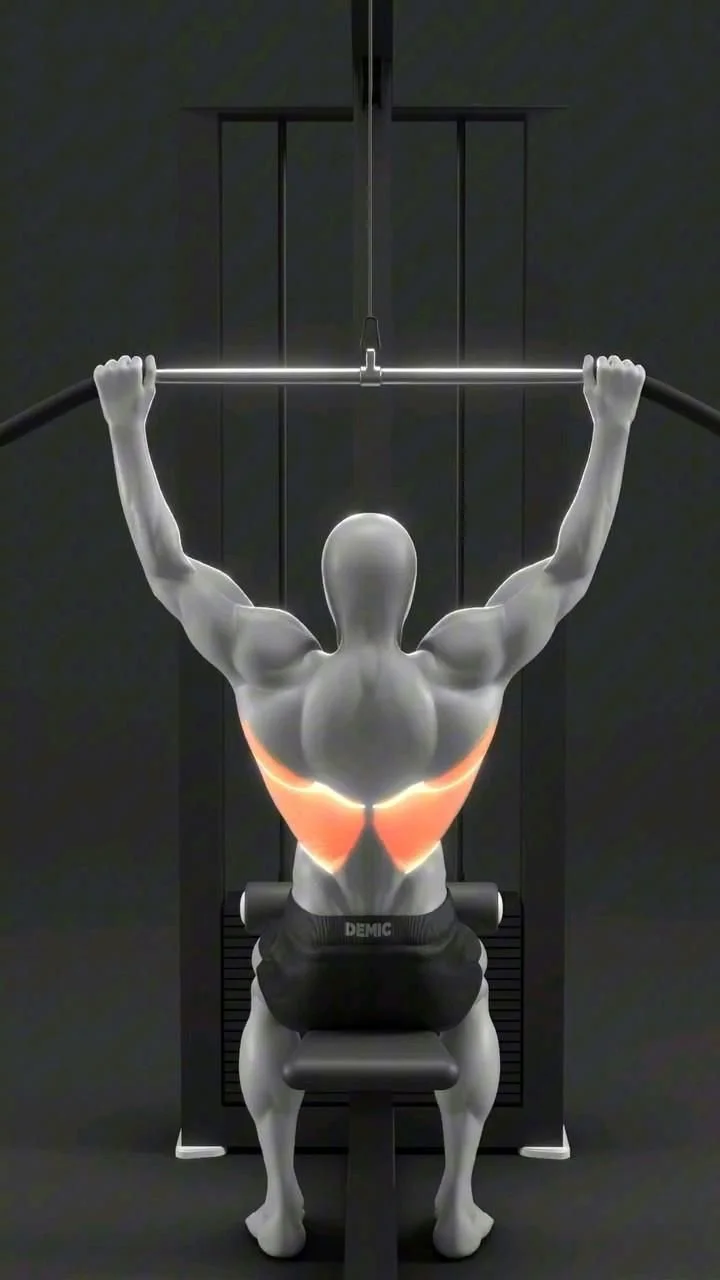
Lat Pulldown Workout: Build a Strong, Wide Back
The lat pulldown is a cornerstone back exercise for anyone aiming to develop a wider, more powerful upper body. It targets the latissimus dorsi (lats) while involving secondary muscles like the rhomboids, trapezius, and biceps. Whether you’re new to strength training or refining your routine, a well-executed lat pulldown plan will improve posture, pulling strength, and the coveted V-taper. For extra emphasis on core engagement during pulling movements, you might also explore related core-focused routines like this flat belly workout.
Why It Works: Muscles and Benefits
- Primary target: latissimus dorsi — the broad muscles that create width across the back.
- Secondary muscles: teres major, rhomboids, middle and lower traps, posterior deltoids, and biceps.
- Benefits:
- Increased pulling strength for rows, deadlifts, and functional tasks.
- Improved upper-body aesthetics via greater back width and posture correction.
- Versatility — many grip and attachment variations allow tailored stimulus.
Proper Technique: Setup and Execution
- Adjust the knee pad so your thighs are secured under the lateral pads and your feet are flat.
- Choose a grip width that matches your goal: wider grips emphasize outer lats, while narrow or neutral grips shift emphasis inward and to the biceps.
- Start with arms fully extended and chest lifted. Pull the bar down in a smooth arc toward your upper chest.
- Cue your elbows down and back rather than thinking of pulling with your hands — lead with the elbows to engage lats.
- Pause briefly at the bottom to feel a full contraction, then control the eccentric (return) to full extension.
Common tempo: 1–2 seconds concentric, 1–3 seconds eccentric. Avoid yanking the weight or leaning excessively backward.
Variations to Add Variety
- Wide-grip lat pulldown: maximizes width.
- Reverse (underhand) grip pulldown: increases biceps involvement and can allow a deeper contraction.
- Neutral-grip pulldown (V-bar or parallel handles): balanced lat and arm engagement, often easier on shoulders.
- Single-arm pulldown with cable attachment: fixes asymmetries and improves mind-muscle connection.
- Behind-the-neck pulldowns: generally not recommended due to shoulder strain unless performed only by experienced lifters with excellent shoulder mobility.
Programming: Sets, Reps, and Progression
- Strength focus: 3–5 sets of 3–6 reps with heavier weight and longer rests (2–3 minutes).
- Hypertrophy focus: 3–4 sets of 8–12 reps with moderate weight and 60–90 seconds rest.
- Endurance or conditioning: 2–3 sets of 12–20 reps with lighter weight and shorter rests.
Progress by increasing weight, improving form, adding reps, or trying a slower eccentric. For consistent gains, incorporate lat pulldowns 1–3 times per week within a balanced upper-body plan — pairing this exercise with rows and pressing movements works well. If you want help structuring your routine long-term, consider following a proven structured workout program to track progress and recovery.
Common Mistakes and How to Fix Them
- Using momentum: Stop swinging or excessive torso lean; reduce weight to regain strict form.
- Pulling behind the neck: Prefer front pulldowns to protect the shoulders unless you have mobility and experience.
- Letting the shoulders shrug: Retract and depress the scapula before pulling.
- Short range of motion: Fully extend the arms on the return and feel the stretch in the lats.
Sample Lat Pulldown Workouts
- Beginner (hypertrophy): 3 sets x 10–12 reps, moderate weight, 90s rest.
- Intermediate (strength + size): 4 sets — 6 reps heavy, 10 reps moderate, 12 reps drop set on final set.
- Accessory finisher: 3 sets x 15–20 reps using a neutral grip focusing on slow eccentrics.
Pairing lat pulldowns with compound horizontal pulls (like seated rows) creates a balanced stimulus across the back.
Conclusion
For detailed instruction on form, variations, and safety tips, review this comprehensive guide on Lat Pulldowns: Techniques, Benefits, Variations.


GIPHY App Key not set. Please check settings