

 amanda cohen
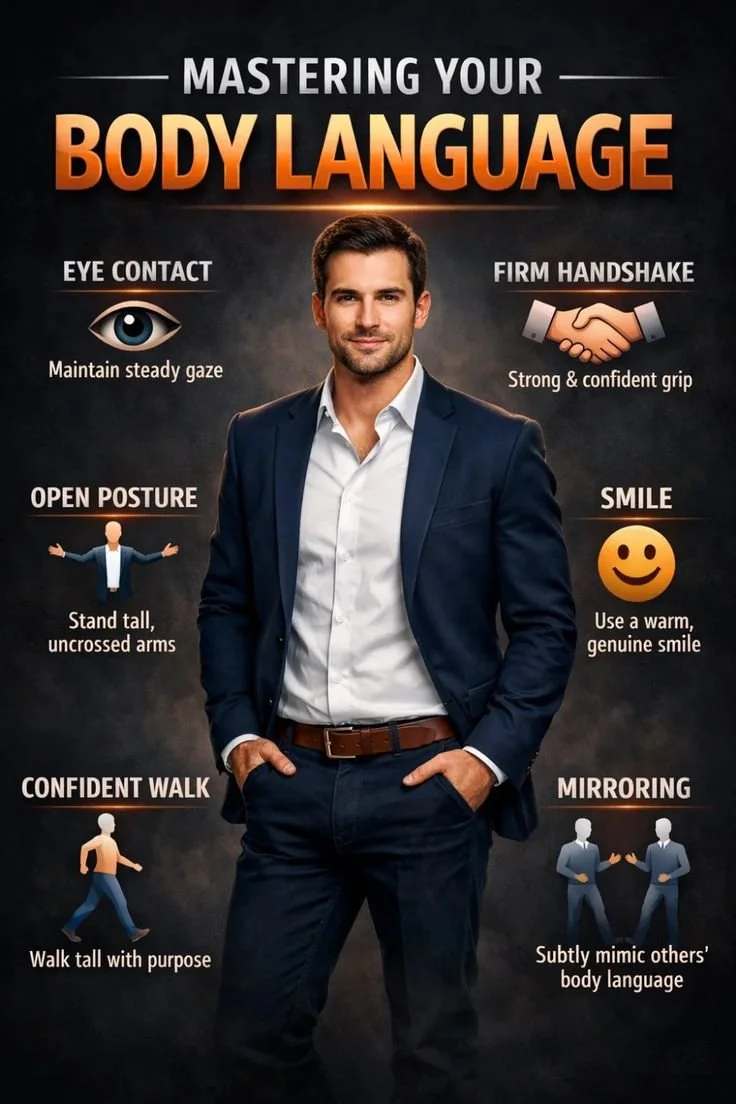
Confidence in Motion: 6 Quick Body-Language Fixes
First impressions are formed in seconds, and confident body language can instantly change how others perceive you and how you feel about yourself. To begin building that presence today, consider combining posture and movement with proven training approaches like Mastering Strength Training to support both physical and mental confidence.
Why body language matters
Confident nonverbal cues reduce ambiguity in communication and make you appear more credible, calm, and competent. Small, intentional changes can yield big results—without needing to alter your personality.
Tip 1 — Stand tall, rooted in your posture
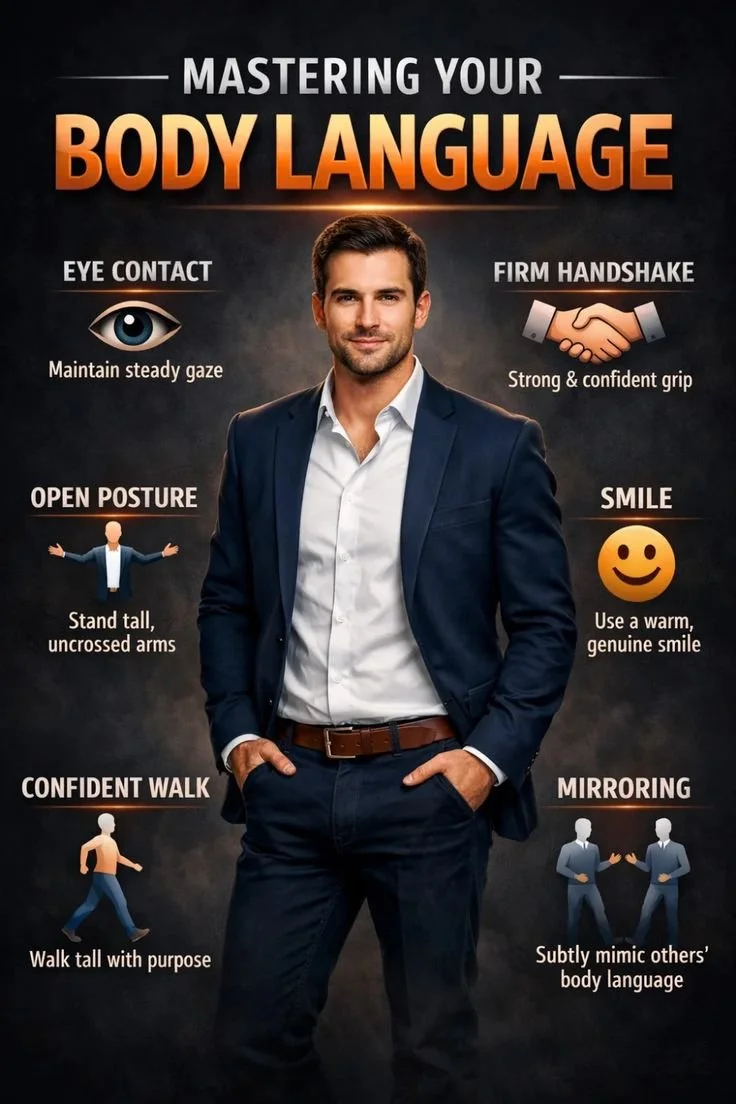
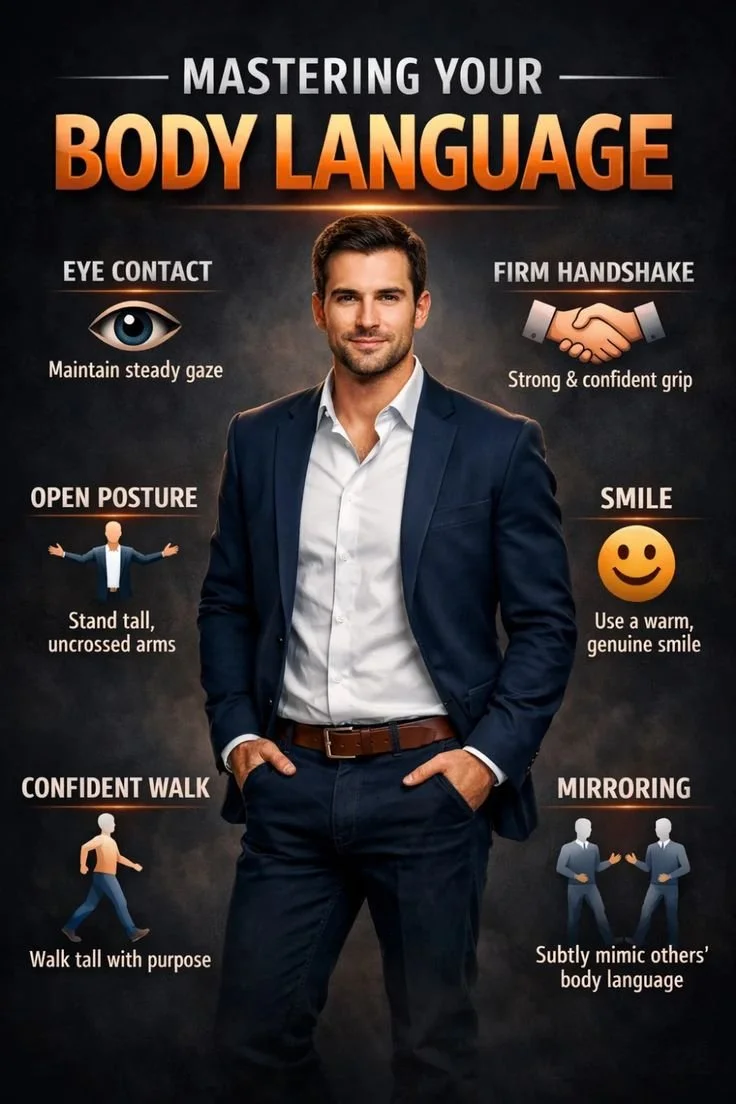
Good posture signals confidence. Keep your head level, shoulders back (but relaxed), and weight evenly distributed on both feet. Practice standing against a wall for a minute daily to reset your muscle memory and carry that alignment into meetings and conversations.
Tip 2 — Use purposeful hand gestures
Hand gestures that match your words enhance clarity and credibility. Avoid fidgeting or hidden hands; instead, use open-palmed gestures when explaining key points. If you want to tie body language into a broader mind-body approach, read about strategies to master the mind-body connection for more consistent presence.
Tip 3 — Own the space with calm movement
Confident people move with intention. When you walk, take steady, measured steps. When seated, occupy your space comfortably—avoid closed-off positions like crossed arms over the chest. Controlled movement conveys control and focus.
Tip 4 — Make eye contact that connects
Eye contact builds trust; hold it long enough to show engagement but not so long it becomes a stare. Practice soft, steady eye contact during conversations, and pair it with a brief nod. For complementary tips on recovery and endurance that support sustained presence, explore expert fueling strategies that keep your energy steady.
Tip 5 — Use your voice to reinforce your stance
A calm, well-paced voice reinforces nonverbal confidence. Slow your rate slightly, lower your pitch a touch when appropriate, and add strategic pauses to emphasize points. Breathing techniques you learn from reflections on growth and discipline can help; see lessons in a letter on bodybuilding and life for mindset tips that translate into vocal control.
Tip 6 — Practice micro-behaviors that build trust
Small behaviors—smiling genuinely, mirroring lightly, and giving focused attention—add up. Use role-play or record brief practice sessions to notice unconscious habits and replace them with deliberate, confidence-building actions.
Conclusion
To deepen your understanding and find more structured exercises for improving nonverbal communication, check out AMA’s 10 Powerful Body Language Tips, which offers practical examples you can apply immediately.



GIPHY App Key not set. Please check settings