

 amanda cohen
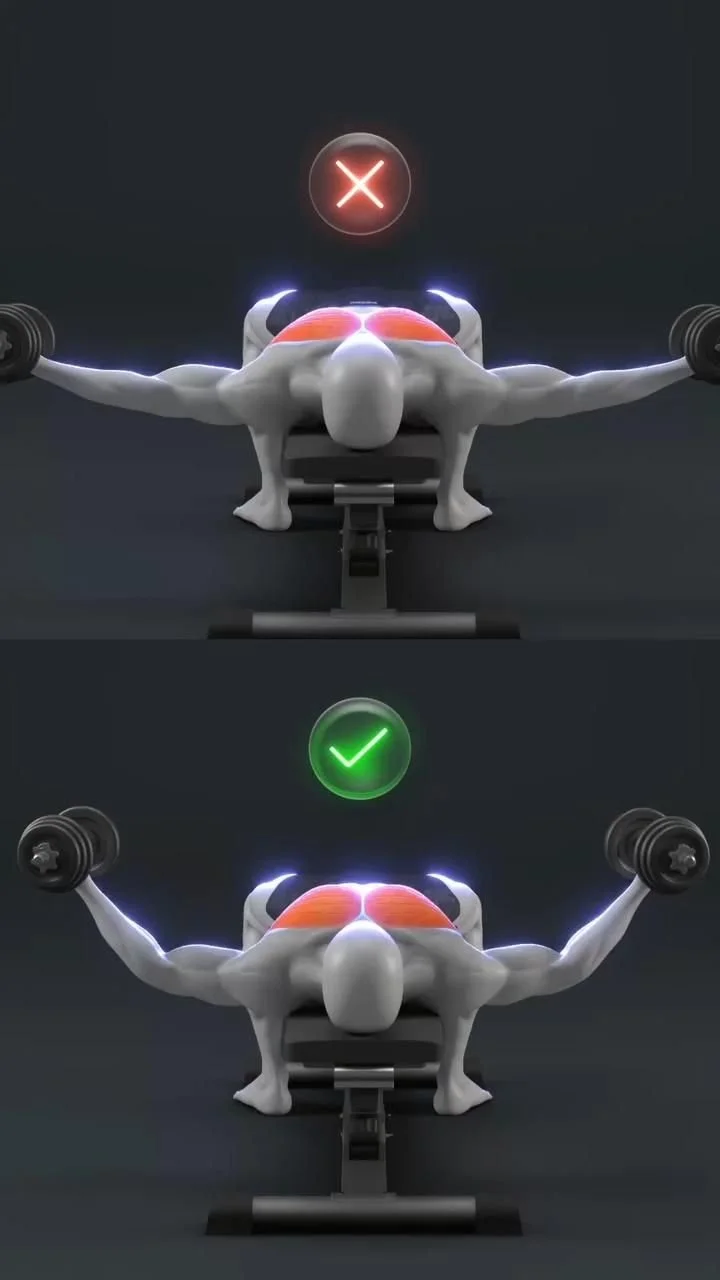
Fly Right: Maximize Pec Contraction on Dumbbell Flies
A single tweak to your dumbbell fly setup can dramatically improve pec isolation and contraction — no heavy bench press required. Mastering position, scapular control, and mindful tension turns this classic into a muscle-building powerhouse for your chest. For athletes balancing shoulder health and chest growth, pairing fly technique with targeted accessory work can make a big difference; read more about effective shoulder prep in this guide: shoulder-focused accessory work.
![Is Your Chest Workout Missing THIS? Maximize Pec Contraction on Dumbbell Flies.
Ready to truly isolate y… [Video] in 2025 | Gym workout apps, Shoulder workout, Workout gym routine](https://tavof.com/wp-content/uploads/2026/01/is-your-chest-workout-missing-this-maximize-pec-c-2026-01-09-080827.webp "Is Your Chest Workout Missing THIS? Maximize Pec Contraction on Dumbbell Flies. Ready to truly isolate y… [Video] in 2025 | Gym workout apps, Shoulder workout, Workout gym routine 8")
Why dumbbell flies are often underused
Dumbbell flies are an isolation movement that, when done with precision, creates high pec tension across a broad range of motion. Too often lifters treat them like a drop-set filler — swinging, overstretching, or letting the shoulders take over. Proper flies should feel like a slow, controlled chest squeeze rather than an arm-opening motion.
Setup and cues for maximum pec contraction
- Bench angle: Use a flat or slight incline (10–20°) to target the mid-to-upper pecs while keeping the stretch comfortable.
- Scapular position: Retract and depress your shoulders just enough to stabilize the shoulder blades; lock them there throughout the set to prevent deltoid takeover.
- Elbow angle: Maintain a soft bend (~20–30°) and avoid locking or fully straightening the arms. This keeps tension on the chest rather than the joint.
- Range of motion: Stop the descent when you feel a strong stretch in the pecs — not when your arms are horizontal if that causes shoulder strain. The goal is tension, not range extremes.
- Mind–muscle focus: Think about bringing the dumbbells together by squeezing the chest (not by moving the hands). Slow the eccentric (2–3 seconds) and use a controlled concentric (1 second) focused on contraction.
Tempo and set recommendations
- Tempo: 2–3s eccentric, 0s pause, 1s concentric.
- Sets/Reps: 3–4 sets of 8–15 reps. Use heavier loads for lower reps only if you can maintain control and full pec tension.
- Progressive overload: Track time under tension and increase either weight or controlled reps over weeks rather than sacrificing form.
Advanced technique tweaks
- Isometric peak squeezes: Pause for 1–2 seconds at peak contraction on the last rep of each set to reinforce mind–muscle connection.
- Single-arm flies: Great for finding imbalances and increasing proprioceptive control; emphasize the chest squeeze rather than horizontal adduction from the shoulder.
- Partial top-range sets: After a full-range set, perform 8–12 short-range flies focusing on peak contraction to fatigue the pecs without overstretching shoulders.
- Reverse fly-to-press superset: Use a lightweight fly immediately followed by a close-grip dumbbell press to exhaust the chest fibers in different angles.
Common mistakes to avoid
- Overstretching: Dropping too far back shifts stress to the anterior shoulder capsule.
- Straight-arm swinging: This turns the exercise into an anterior deltoid/lat movement.
- Excessive weight: If you must compromise control, drop the weight — the point is contraction, not ego.
Programming tips
- Position flies near the end of your chest workout as a focused isolation movement to finish off fibers after compound presses. If you prefer technical emphasis, do a lighter, technique-focused fly set early. For program consistency and recovery management, pair flies with complementary pulls or shoulder prehab in another session; see how to build consistency across sessions in this resource: consistent gym routine strategies.
- Frequency: 1–2 dedicated fly sessions per week is sufficient for most lifters, with variations rotated every 4–6 weeks.
Sample chest-finish routine (after heavy presses)
- 3 sets dumbbell flies: 10–12 reps, strict tempo (2–3s descent)
- 2 sets single-arm flies: 8–10 reps each side, focused squeeze
- 2 sets partial top-range flies: 12–15 reps, short ROM to failure
![Is Your Chest Workout Missing THIS? Maximize Pec Contraction on Dumbbell Flies.
Ready to truly isolate y… [Video] in 2025 | Gym workout apps, Shoulder workout, Workout gym routine](https://tavof.com/wp-content/uploads/2026/01/is-your-chest-workout-missing-this-maximize-pec-c-2026-01-09-080828-2.webp "Is Your Chest Workout Missing THIS? Maximize Pec Contraction on Dumbbell Flies. Ready to truly isolate y… [Video] in 2025 | Gym workout apps, Shoulder workout, Workout gym routine 9")
Conclusion
To build a fuller, more responsive chest, make dumbbell flies about pec tension instead of range or weight. For a curated list of complementary movements to include in your chest days, check out the five best chest exercises that should accompany isolation work.

GIPHY App Key not set. Please check settings