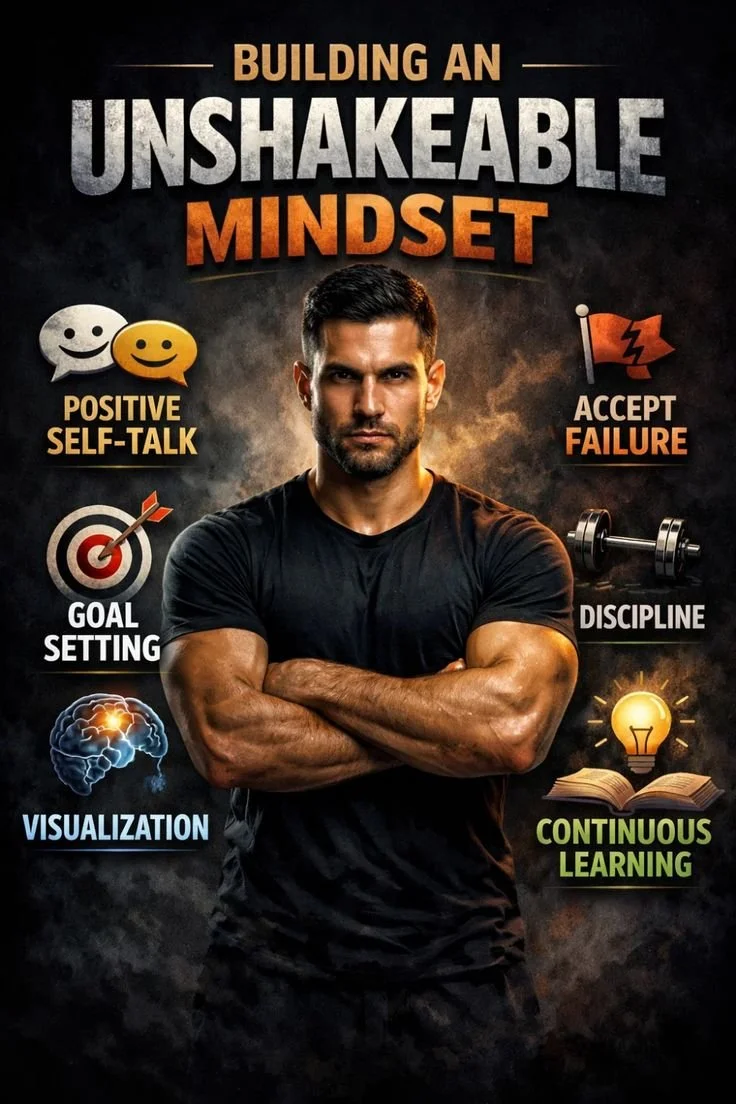
Motivation-1

It’s the force that pushes bodybuilders to stick to rigorous workout routines, maintain a disciplined diet, and persist through intense training sessions. Motivation in bodybuilding often stems from personal aspirations, the desire for physical improvement, achieving a specific aesthetic, competition goals, or the pursuit of strength and muscle growth. It’s the key factor that helps bodybuilders stay committed, focused, and consistent in their efforts to achieve their desired muscular development and overall fitness.

Arnold Schwarzenegger quotes on strength from struggle and perseverance.

“Strength does not come from winning. It comes from the struggle. When you go through hardship and decide not to surrender, that is strength.” 💪 #ArnoldSchwarzenegger #GoldenEraBodybuilding #Bodybui…

The Essence of Strength: A Journey Through Struggle

“Strength does not come from winning. It comes from the struggle. When you go through hardship and decide not to surrender, that is strength.” — Arnold Schwarzenegger

In a world where success is often measured by accolades and triumphs, we frequently overlook a crucial aspect of true strength: the struggle. Arnold Schwarzenegger, a figure synonymous with bodybuilding and determination, encapsulates this concept beautifully. His assertion that real strength arises from facing adversities serves as a poignant reminder of the power buried within perseverance.

The Myth of Easy Success

In our contemporary culture, there’s an alluring narrative that glorifies the journey from rags to riches, showcasing the glamorous outcomes of success without fully appreciating the hard-fought battles along the way. This myth perpetuates the idea that strength is merely about winning, overshadowing the often grueling path that accompanies true achievements.

For Schwarzenegger, the “Golden Era” of bodybuilding wasn’t merely characterized by trophies and titles. It was about hours spent in the gym, grueling workouts, and confronting physical and mental limits. Every drop of sweat, every moment of doubt, contributed to the essence of who he became.

Embracing the Struggle

Strength emerges not in the ease of victory but in the grit of hardship. The moments we feel pushed to our limits are where our character truly takes shape. Challenges, whether in bodybuilding or everyday life, serve as tests that reveal our tenacity. When we confront misfortune and find the courage to stand tall, we cultivate resilience.

This resilience is about more than just bouncing back; it’s about learning, adapting, and using our struggles as stepping stones toward personal growth. Each setback becomes a lesson, a component of our story that adds depth to our overall narrative.

The Role of Mindset

The struggle can be daunting, and it is our mindset that plays a pivotal role in how we navigate these challenges. Endurance cultivates a stronger mindset. Schwarzenegger’s journey is a testament to the impact of mental fortitude, emphasizing the importance of perseverance and a never-give-up attitude. Celebrating small victories during difficult times fosters a belief in one’s capabilities, reinforcing the idea that strength is not a linear path of success, but a continuous journey of overcoming obstacles.

Strength in Community

Moreover, the notion of struggle extends beyond the individual to the communities we build. Support from peers, mentors, and loved ones can provide the necessary encouragement to push through pain and adversity. In the realm of bodybuilding, the camaraderie among athletes can be a powerful motivator. Sharing struggles creates a sense of belonging, reminding us that while the path to strength is personal, we are never alone.

Conclusion

In conclusion, Arnold Schwarzenegger’s words resonate beyond the world of bodybuilding. They embody a universal truth: strength is not simply about the victories we achieve but about the resilience we forge through adversity. The struggles we face, when met with courage and determination, are the true building blocks of strength. So the next time you find yourself in a challenging situation, remember that your strength is not only defined by your outcomes but by your unwavering resolve to rise again.

Through struggle, we do not just become stronger; we become more human. 💪


Let us embrace our hardships, for they are the true paths to strength and resilience.

“Strength does not come from winning. It comes from the struggle. When you go through hardship and decide not to surrender, that is strength.” 💪 #ArnoldSchwarzenegger #GoldenEraBodybuilding #Bodybui… Read More »

Inspiring image of a person mastering their mind for fitness success.

“Master your mind, and your body will follow.” #goldenerabodybuilding #bodybuildingmotivation #arnoldschwarzenegger #classicphysique #gymmotivation

Master Your Mind: The Key to Bodybuilding Success

In the world of bodybuilding, the phrase "Master your mind, and your body will follow" resonates deeply with those who strive for greatness. This concept, championed by many fitness icons, serves as a powerful mantra for athletes at all levels. When you harness the power of your mind, you lay the groundwork for achieving extraordinary physical goals. Let’s explore how mental mastery can propel your bodybuilding journey to new heights.

The Mental Game in Bodybuilding

Just like any other discipline, bodybuilding is as much a mental challenge as it is a physical one. Your mentality shapes your approach to training, nutrition, and recovery. A strong mindset cultivates determination, discipline, and resilience, all essential qualities for success in the gym. Here are some ways to master your mind and elevate your bodybuilding game:

1. Visualization Techniques

Visualizing your goals is a powerful practice that can significantly impact your training performance. Spend a few minutes each day imagining yourself achieving your ideal physique, pushing through your toughest sets, or standing on stage during a competition. This mental imagery not only boosts motivation but also helps condition your mind to perform at its best.

2. Set Clear, Achievable Goals

Having clear goals provides you with direction and purpose. Break down your long-term aspirations into smaller, achievable milestones. Each small win will reinforce your motivation and allow you to stay focused on your journey. Whether it’s increasing your bench press, perfecting your diet, or mastering new poses, every achievement counts.

3. Develop a Routine and Stick to It

Discipline is a cornerstone of bodybuilding. Create a structured routine that encapsulates your workout schedule, nutrition plan, and recovery strategies. Adhering to a routine fosters mental strength and ensures you stay committed during challenging times. Consistency is key to transforming your physical capabilities and reaching your goals.

4. Embrace Failure as a Learning Tool

In bodybuilding, setbacks and failures are inevitable. Instead of viewing them as roadblocks, embrace them as opportunities for growth. Every missed rep or poor performance can teach you valuable lessons about your limits and how to surpass them. Cultivating a resilient mindset will help you bounce back stronger than ever.

5. Surround Yourself with Positivity

The company you keep can greatly influence your mindset. Surround yourself with like-minded fitness enthusiasts who inspire and motivate you. Engage in communities, both online and offline, that share your passion for bodybuilding. Their support and encouragement can be pivotal in helping you maintain a positive outlook.

The Synergy of Mind and Body

Once you master your mind, your body will naturally follow. Positive thoughts translate into actionable behaviors, leading to improved performance in the gym. The synergy between mental strength and physical prowess is particularly evident in iconic bodybuilders like Arnold Schwarzenegger, who not only shaped their physiques but also changed the landscape of bodybuilding through their powerful mental attitudes.

The Golden Era of Bodybuilding

The Golden Era of bodybuilding exemplifies the importance of mindset. Athletes of that time understood that success came from self-belief and relentless dedication. They defied expectations, leading to the creation of the classic physique we admire today. Their legacy continues to motivate modern bodybuilders to cultivate a strong mental foundation.

Conclusion

In bodybuilding, mastering your mind is the essential first step towards achieving your goals. By employing visualization techniques, setting clear objectives, adhering to a routine, and embracing a positive mindset, you can transform your physical potential. Remember, as the saying goes, "Master your mind, and your body will follow." With dedication and the right mental tools, success is not merely a dream but a reachable reality.

So let’s embark on this journey together, fueled by the spirit of the greats!


Join the Movement

Stay motivated and inspired in your bodybuilding journey! Follow us for more tips and insights using the hashtags: #goldenerabodybuilding #bodybuildingmotivation #arnoldschwarzenegger #classicphysique #gymmotivation. Let’s become the best version of ourselves—both inside and out!

“Master your mind, and your body will follow.” #goldenerabodybuilding #bodybuildingmotivation #arnoldschwarzenegger #classicphysique #gymmotivation Read More »

Arnold Schwarzenegger sharing insights on strength training and personal growth.

“What we face may look insurmountable. But I learned something from all those years of training and competing. I learned that we are always stronger than we know.” , Arnold Schwarzenegger 💪 #ArnoldS…

Embracing the Underdog Spirit: Lessons from Arnold Schwarzenegger 💪

In life, we often encounter challenges that appear insurmountable. Whether it’s a personal battle, a professional hurdle, or a societal issue, the obstacles can seem overwhelming. Yet, as Arnold Schwarzenegger once profoundly stated, “What we face may look insurmountable. But I learned something from all those years of training and competing. I learned that we are always stronger than we know.” This powerful message not only resonates with those who admire his career as an athlete and actor but also serves as a universal lesson for all of us.

The Journey of an Icon

Arnold Schwarzenegger’s rise to fame is nothing short of remarkable. From a young boy in Austria with dreams of becoming a bodybuilding champion to dominating the world stage and later transitioning into a successful Hollywood career, Schwarzenegger’s life is a testament to resilience and tenacity. His triumphs are rooted in a mindset that views obstacles not as dead ends, but as gateways to growth and self-discovery.

Training and Competing: A Lesson in Strength

Schwarzenegger’s years of rigorous training and competitive bodybuilding instilled in him a profound understanding of personal strength. His journey was not just about physical enhancement; it was a mental and emotional adventure. He learned that perseverance, discipline, and self-belief are crucial in surmounting any challenge. Each lift in the gym was a building block, not only for his muscles but for his character.

This philosophy can be applied to all aspects of life. When faced with a daunting task, the determination to push through can reveal strengths we never realized we possessed. Schwarzenegger’s assertion encourages us to dig deep and discover our inner reservoirs of strength, especially when we feel like giving up.

Strength Beyond Physicality

While much of Schwarzenegger’s legacy is centered around his physical attributes, he underscores a pivotal truth: strength comes in many forms. Emotional resilience, mental fortitude, and the ability to adapt are just as critical. In today’s complex world, individuals are often faced with challenges that transcend the physical. Stress, anxiety, and unforeseen crises can leave us feeling vulnerable. However, just as in his training regimen, facing these battles head-on can lead to profound personal growth.

Community and Support Systems

Another significant aspect of overcoming insurmountable challenges is the importance of community and support. Schwarzenegger did not achieve his success in isolation; he was surrounded by mentors, peers, and supporters who believed in him. In our own lives, seeking help, sharing our struggles, and building a network of support can provide the encouragement needed to tackle our obstacles. Together, we can amplify our strengths and fortify our resolve.

The Call to Action

Arnold Schwarzenegger’s journey serves as a potent reminder: our perceived limitations are often just stepping stones towards achieving greatness. When the weight of the world threatens to crush us, we must remember that we are capable of more than we think. Embracing challenges with a positive mindset can transform our fears into fuel, propelling us forward in pursuit of our goals.

In conclusion, as you face your next trial—large or small—remember Schwarzenegger’s words. Tap into your inner strength, rely on your support system, and approach your challenges with the unwavering belief that you can and will overcome. The road may be tough, but the destination is worth every step you take. Your greatest strength may be waiting just beyond your comfort zone.

“What we face may look insurmountable. But I learned something from all those years of training and competing. I learned that we are always stronger than we know.” , Arnold Schwarzenegger 💪 #ArnoldS… Read More »

Inspirational quote about strength from struggle with Arnold Schwarzenegger's image

“Confidence comes from victory, but strength comes from the struggle.” 💪 Forged under the sun, shaped by iron, this is what belief looks like. #ArnoldSchwarzenegger #GoldenEraBodybuilding #ClassicP…

The Essence of Strength: A Journey Through Struggle and Victory

“Confidence comes from victory, but strength comes from the struggle.” 💪 This profound statement captures the essence of what it means to truly grow, both in body and spirit. As we delve deeper into this philosophy, we’ll uncover the transformative power of hardships and the role they play in shaping not only our physical selves but our mindset as well.

The Anvil of Adversity

To craft something of value, one must begin with raw materials. In the world of bodybuilding, much like in life, the anvil of adversity shapes us. When we face challenges head-on, we are forged into resilient beings, much like iron is shaped by fire. Each struggle, whether it’s lifting heavier weights at the gym, overcoming self-doubt, or tackling life’s curveballs, molds our character.

When Arnold Schwarzenegger, a symbol of strength and perseverance from the Golden Era of Bodybuilding, speaks of belief, he refers to the relentless pursuit of excellence that comes from navigating these struggles. It’s in the grueling workouts, the early mornings, and the sacrifices made along the way that true confidence is built—not through effortless triumphs.

The Duality of Victory and Strength

Victory is sweet, intoxicating even. It can boost our confidence and propel us forward. However, it’s essential to acknowledge that true strength lies not in the victories alone but in the hardships and failures that precede them. The weight we lift in the gym mirrors the burdens we carry in life.

Each failure—each missed rep or setback—teaches us valuable lessons. It breaks us down only to build us back stronger, teaching us resilience. SchwarzeNegger’s journey from a small village in Austria to the pinnacle of bodybuilding and Hollywood is a testament to this belief. His story doesn’t emerge from a series of unchallenged successes but rather a path filled with obstacles, self-discipline, and an unwavering commitment to growth.

Belief as a Byproduct of Struggle

What does belief really look like? It’s forged under the sun and shaped by iron—a vivid imagery that echoes the process of becoming stronger. The discipline required to push through physical pain translates into mental fortitude. This belief is not just in physical capabilities but is a holistic understanding of one’s potential.

Values such as grit, determination, and tenacity come alive during the struggles we face. They lay the groundwork for unwavering self-belief. By transcending the limitations we once imposed on ourselves, we discover the vastness of our capabilities.

Conclusion: The Legacy of Struggle

In the pursuit of our goals, whether in bodybuilding or life, it’s crucial to embrace the struggle. Confidence may light the way, but it is strength that carries us through. Just like the muscles we build through consistent effort, the inner resilience we forge through struggle defines who we are.

As we continue to strive for our victories, let us not forget the invaluable lessons embedded within our challenges. In the grand tapestry of life, it’s the threads of struggle that create the fabric of our identity.

Let us honor this journey—because belief, true belief, is born from the fires of perseverance and shaped by the iron of our struggles.

#ArnoldSchwarzenegger #GoldenEraBodybuilding #StrengthInStruggle #BelieveAndAchieve

“Confidence comes from victory, but strength comes from the struggle.” 💪 Forged under the sun, shaped by iron, this is what belief looks like. #ArnoldSchwarzenegger #GoldenEraBodybuilding #ClassicP… Read More »

A cheerful greeting wishing everyone a beautiful morning, krásné ránko.

Přeji všem krásné ránko🙂

Wishing Everyone a Beautiful Morning

"Přeji všem krásné ráno🙂." — a short, warm Czech greeting that translates to "I wish everyone a beautiful morning." In just a few words and a simple smiley, it carries an invitation: pause, notice the new day, and share a moment of goodwill with others. Small phrases like this can set the tone for our interactions and for the rest of the day.

The power of a simple greeting

A brief, cheerful message does more than exchange pleasantries. It:

  • Signals care and presence. Even a quick wish lets others know they’re remembered.
  • Creates a ripple effect. Kindness often begets kindness; one small positive note can brighten others’ mornings.
  • Builds community. Shared greetings form a subtle social glue—whether among family, friends, or strangers in an online group.

Morning rituals that amplify a good wish

If you want to make "beautiful morning" more than words, pair it with tiny rituals:

  • Breathe for 60 seconds: slow inhales and controlled exhales to center attention.
  • Hydrate: a glass of water awakens the body after sleep.
  • Gentle movement: stretch, roll your shoulders, or take a five-minute walk.
  • Set a small intention: one achievable goal for the morning (e.g., finish a chapter, send a kind message).
  • Send a greeting: choose one person to wish a thoughtful morning to—text, voice note, or a quick emoji.

Cultural notes and multilingual warmth

Wishing someone a good morning is universal, but how we express it varies:

  • English: "Good morning" or "Have a lovely morning."
  • Czech: "Přeji krásné ráno" or simply "Krásné ráno."
  • Spanish: "Buenos días" or "Que tengas una linda mañana."
  • Japanese: "おはようございます (Ohayō gozaimasu)."

Each phrasing carries cultural nuances—formality, intimacy, or brevity. The smiley in the original sentence adds an informal, friendly tone that transcends language barriers.

Making it part of your day

Want this greeting to feel genuine rather than routine?

  • Personalize it: add a name or a small detail ("Hope your meeting goes well!").
  • Be mindful: pause, mean it, and avoid sending greetings out of obligation.
  • Keep it brief: the goal is connection, not performance.

A single morning wish can be a tiny act of compassion that costs nothing but can mean a lot. Whether conveyed in Czech, English, or with an emoji, the sentiment is universal: may today be gentle and kind.

Conclusion

If you appreciate how simple messages and supportive online communities intersect—sharing hopeful mornings, experiences, and encouragement—you might find threads like Kelišky z Fertimedu 2 – str. 601 to be examples of people connecting and lifting each other up.

Přeji všem krásné ránko🙂 Read More »

A beautiful morning scene wishing everyone krásné ránko with a cheerful vibe.

Přeji všem krásné ránko🙂

Title: Wishing Everyone a Beautiful Morning

Introduction
A simple phrase can brighten a day. The Czech greeting "Přeji všem krásné ráno🙂" — “I wish everyone a beautiful morning” — is short, warm, and universal. In this article we explore why small morning wishes matter, how to make your mornings more beautiful, and ways to share that goodwill with others.

Why a morning wish matters

  • Sets the tone: A friendly greeting can change the emotional temperature of your day, nudging you and those around you toward calmness and optimism.
  • Builds connection: Even brief, sincere messages can strengthen relationships and create a sense of belonging.
  • Encourages mindfulness: A morning wish is often a moment of intentionality, reminding us to pause and be present before the day’s tasks take over.

Simple habits to create beautiful mornings

  1. Start with breath: Five slow, deep breaths after you wake centers your mind and lowers stress.
  2. Hydrate and nourish: Drink a glass of water and eat something light and wholesome to kick-start energy.
  3. Move a little: Gentle stretching, a short walk, or a few yoga poses can invigorate the body.
  4. Limit screens: Delay checking email or social media for 20–30 minutes to avoid reactive thinking.
  5. Set one intention: Choose a single, achievable aim for the morning—this increases focus and satisfaction.

How to share a morning wish

  • In person: A smile and a simple “Good morning” or the Czech “Přeji krásné ráno” can be enough.
  • By message: Short notes, voice messages, or emojis (🙂) convey warmth quickly.
  • Public posts: Social media updates or group messages can spread positivity to many at once—keep them genuine and concise.

Cultural note
Morning greetings exist in every language, but the tone and frequency vary. In some cultures, longer morning rituals are customary; in others, quick greetings suffice. The Czech phrase above encapsulates warmth and goodwill in a tidy, friendly line — an ideal reminder of how small words can carry big feelings.

Practical variations to try

  • Gratitude greeting: “I’m thankful for this morning” — say it aloud to set a grateful mindset.
  • Encouragement wish: “May your morning be calm and productive” — useful for colleagues or friends before a busy day.
  • Silent wish: Keep a private thought of kindness for someone who might need it; you’ll carry compassion into your actions.

Short morning checklist (5 minutes)

  • Breathe (1 minute)
  • Hydrate (30 seconds)
  • Stretch (1–2 minutes)
  • Set intention (1 minute)
  • Send a quick greeting or smile (30 seconds)

Conclusion

Small acts of kindness, like saying “Přeji všem krásné ráno🙂,” ripple outward. If you’d like to see examples of morning greetings and community exchanges in Czech-speaking spaces, you can visit Kelišky z Fertimedu 2 – str. 601 – Modrý koník.

Přeji všem krásné ránko🙂 Read More »

A beautiful morning greeting wishing everyone krásné ránko.

Přeji všem krásné ránko🙂

Title: Wishing Everyone a Beautiful Morning — "Přeji všem krásné ránko🙂."

Introduction
"Přeji všem krásné ránko🙂." is a short Czech greeting that translates to "I wish everyone a beautiful morning🙂." It’s a simple, warm way to start the day and shows how a few words — plus a small smiley — can set a positive tone. This article explores the cultural flavor of that phrase, the psychology behind morning greetings, and practical ways to use similar messages to brighten someone’s day.

Why a Morning Greeting Matters

  • Sets tone: A cheerful morning message frames the day positively for sender and receiver.
  • Strengthens connection: Small acts of kindness, like greeting others, boost social bonds.
  • Improves mood: Positive language and gestures release feel-good hormones and reduce stress.
  • Low effort, high return: It takes seconds to send a greeting but can make a lasting impression.

Cultural Note
In Czech and many other cultures, morning wishes are common both in person and online. Adding a diminutive like "krásné ránko" (a cozy, affectionate form of "beautiful morning") makes the message feel more intimate, like saying "Have a lovely little morning" rather than a formal greeting.

Practical Ways to Send a Lovely Morning Wish

  • Short text: “Good morning! Hope your day is lovely.” Quick and effective.
  • Personalized note: Mention one thing you hope for them today (e.g., “Hope your meeting goes well!”).
  • Emoji touch: A smiley or sun emoji can make a message feel friendlier without words.
  • Voice or video: A short voice note can convey warmth better than text alone.
  • Group message: A communal greeting for friends, coworkers, or family can create shared positivity.

Samples and Variations

  • Formal: “Good morning. Wishing you a productive day.”
  • Casual: “Morning! Make it a great one :)”
  • Affectionate: “Přeji ti krásné ránko — enjoy your coffee and sunshine!”
  • Playful: “Rise and shine — today’s waiting for you!”

Create Your Own Memorable Greeting

  1. Keep it sincere: Authenticity matters more than cleverness.
  2. Be specific: A small, personal reference increases impact.
  3. Match the tone: Use formal or casual phrasing depending on your relationship.
  4. Use timely content: Mentioning current weather or upcoming events makes it relevant.
  5. Follow up: A midday check-in can reinforce the initial warmth.

Quick Morning Rituals to Boost Positivity

  • Drink a glass of water immediately.
  • Take three deep breaths or stretch for two minutes.
  • List three things you’re grateful for.
  • Read or send a brief uplifting message.
  • Step outside for a minute of fresh air.

Conclusion

A short wish like "Přeji všem krásné ránko🙂." is more than a greeting — it’s a tiny gesture of care that can ripple positivity through a day. If you enjoy exploring Czech community conversations and morning messages, check out Kelišky z Fertimedu 2 – str. 601 – Modrý koník for real-life examples of friendly exchanges and supportive notes.

Přeji všem krásné ránko🙂 Read More »

Image of a beautiful morning sunrise with 'krásné ránko' text overlay

Přeji všem krásné ránko🙂

Title: A Simple Morning Wish and What It Can Mean

Introduction
"Přeji všem krásné ráno🙂." — a small Czech sentence that translates to "I wish everyone a beautiful morning🙂." It’s brief, warm, and infinitely adaptable. From a quick text to a message on a community board, such a greeting can brighten someone’s start to the day and set a tone of kindness.

The power of a morning greeting
Morning greetings are more than words. They acknowledge another person’s presence, convey goodwill, and can reduce social distance. A concise wish like this carries:

  • Positivity: It frames the morning with an optimistic expectation.
  • Connection: It signals thoughtfulness and social engagement.
  • Habit: Repeating small rituals, like greeting others, builds cohesion in families, workplaces, and online communities.

Cultural and linguistic flavor
Short greetings often carry cultural nuances. The Czech phrase above uses an informal, inclusive form — “všem” (to everyone), and the little smiley softens the message. Different cultures have their preferred morning salutations, but the intent is often the same: to start the day on friendly terms.

Practical ways to share a beautiful morning
If you want to spread that same gentle energy, try:

  • Personalize it: Add a name or a small detail (e.g., “Have a lovely morning, Jana!”).
  • Share a positive observation: Mention something pleasant you noticed — sunlight, quiet, or a fresh cup of coffee.
  • Use it as a ritual: Make a short morning message a habit in a family chat or team channel.
  • Keep it genuine: Authenticity matters more than length or polish.

Why small gestures scale
One brief message can ripple outward. In an office chat, a morning wish can improve morale; in a parent group, it can reassure and uplift. Small, repeated acts of kindness create cumulative positive effects on moods and relationships.

Conclusion

If you’re interested in seeing how simple morning greetings and supportive messages appear in real discussions, take a look at this community thread: Kelišky z Fertimedu 2 – str. 601 – Modrý koník.

Přeji všem krásné ránko🙂 Read More »

A serene morning scene representing a krásné ráno.

Přeji všem krásné ránko🙂

Wishing Everyone a Beautiful Morning 🙂

"Přeji všem krásné ránko" — a simple Czech greeting that translates to "I wish everyone a beautiful morning." Small phrases like this carry warmth, connection, and the promise of a fresh start. In the rush of daily life, opening your day with a kind sentiment can change not only your mood but also the tone of interactions with those around you.

Why a Morning Greeting Matters

A morning greeting is more than etiquette; it’s a tiny ritual that signals care and attention. Neuroscience and psychology point to a few reasons these rituals matter:

  • They prime the brain for positive social interactions by releasing oxytocin and lowering stress.
  • They establish social bonds, whether with family members, colleagues, or neighbors.
  • They create a predictable, grounding moment that can reduce anxiety and enhance focus.

Simple Ways to Share a Beautiful Morning

You don’t need a grand gesture to make someone’s morning better. Here are small, actionable ways to extend the warmth of "I wish everyone a beautiful morning":

  • Say it aloud: A genuine “Good morning” or the original Czech phrase can light up faces.
  • Send a short message: A thoughtful text or voice note can reach someone who’s commuting or far away.
  • Add intention to routine tasks: Brew coffee or make breakfast with the intention of sharing that care.
  • Use communal spaces: Leave a friendly note in a shared kitchen or digital workspace to brighten someone’s day.

Morning Rituals That Help You Mean It

To make your greeting feel authentic, pair it with a personal ritual. Try these:

  • Two minutes of mindful breathing before you check your phone.
  • A quick stretch or sunlight exposure to wake your nervous system gently.
  • Writing one gratitude item and one intention for the day.
  • Reaching out intentionally to one person each morning, even with a short message.

Cultural Notes: Greetings Around the World

Every culture shapes how mornings are acknowledged. In the Czech Republic, short warm wishes like “Přeji všem krásné ráno” convey friendliness and community. Elsewhere, people may prefer a more formal salutation, a cheek kiss, or a phone call. Learning local norms enriches your ability to connect sincerely.

Making It Part of Your Life

If you want to cultivate mornings that feel meaningful:

  1. Choose a concise phrase that feels authentic to you.
  2. Build one small pre-check-in habit to center yourself.
  3. Start with people closest to you; the ripple effect often extends outward.
  4. Notice reactions—kindness tends to be reciprocated.

Conclusion

If you’re interested in how small community greetings and shared support play out in real conversations—especially within Czech parenting and fertility groups—you can explore this relevant community thread: Kelišky z Fertimedu 2 – str. 601 – Modrý koník.

Přeji všem krásné ránko🙂 Read More »

A cheerful greeting for a beautiful morning wishing krásné ránko.

Přeji všem krásné ránko🙂

Title: A Simple Wish that Brightens the Day — "Přeji všem krásné ránko🙂"

Introduction
"Přeji všem krásné ránko🙂" is a short Czech greeting that translates to "I wish everyone a beautiful morning🙂." In just a few words and a cheerful emoticon, it carries warmth, community spirit, and a gentle start to the day. This small phrase illustrates how brief messages can set the tone for someone’s mood and interactions.

The power of a morning greeting

  • Mood influence: A friendly morning wish can lower stress and make people feel seen. Starting the day with positivity—even in text—can nudge the brain toward optimism.
  • Social bonding: Greetings reinforce social ties. Saying “good morning” to colleagues, friends, or online communities creates a shared ritual that fosters belonging.
  • Multiplicative effect: One genuine message often inspires others to respond or pass it on. A simple “beautiful morning” can ripple into a chain of kindness.

Cultural notes: Czech warmth in a few words

  • Direct but gentle: Czech greetings tend to be straightforward and sincere. Including “všem” (to everyone) signals inclusivity.
  • Use of diminutives: Words like “ranní” or diminutive forms are common when expressing affection; “ráníčko” or shorter forms feel intimate and kind.
  • Emoticons as tone markers: The 🙂 helps convey friendliness in written Czech much as in other languages—compensating for the lack of vocal tone.

How to craft your own morning wish

  • Keep it brief: Short messages are more likely to be read and appreciated.
  • Be specific when possible: “Wishing you a calm and productive morning” can be more meaningful than a generic phrase.
  • Add a small personal touch: Mentioning an upcoming event or offering support makes the greeting feel tailored.
  • Use multimedia sparingly: A photo of sunrise, a short voice note, or an emoji can enhance sincerity without overwhelming the message.

Examples to try

  • For friends: “Good morning — hope your coffee is perfect and your day easy.”
  • For colleagues: “Wishing everyone a smooth morning and a productive day ahead.”
  • For online groups: “Přeji všem krásné ránko🙂 — sending positive vibes to everyone here.”

Practical tips for making morning wishes part of your routine

  • Schedule a quick check-in: Spend one minute sending a message when you’re having your morning beverage.
  • Use templates: Keep two or three variations ready so you can personalize quickly.
  • Be consistent: Regular small gestures build rapport over time.

Conclusion

If you want to see warm morning greetings in action within Czech online communities, take a look at this forum thread on Modrý koník: Kelišky z Fertimedu 2 – str. 601 – Modrý koník. It’s an example of how brief, caring messages help create supportive spaces where people start their days together.

Přeji všem krásné ránko🙂 Read More »

Inspiring motivational quotes to enhance gym sessions and boost workout motivation.

10 Motivational Quotes to Ignite Your Gym Sessions

10 Motivational Quotes to Ignite Your Gym Sessions

Getting to the gym is half the battle; staying fired up while you train is the other half. Below are ten inspirational quotes to sharpen your focus, lift your mood, and push your limits — each with a quick interpretation and a short action you can take the next time you’re lacing up. Before we start, if you ever wonder how gym time stacks up against other parts of life, check out this take on why the gym matters: 10 Reasons the Gym is Better Than a Girlfriend.

How to use these quotes

Read one at the start of each workout, pin a favorite to your water bottle, or use one as a mantram between sets. The goal is to pair thought with action so motivation turns into momentum.

  1. "No pain, no gain."
  • What it means: Growth requires effort — discomfort is often the signal you’re improving.
  • Try this: Add one extra rep or 5% more weight to one set this session.
  1. "Sore today, strong tomorrow."
  • What it means: Short-term discomfort leads to long-term resilience.
  • Try this: Schedule a mobility routine for the next day to help recovery.
  1. "Progress, not perfection."
  • What it means: Small, consistent wins beat occasional bursts of intensity.
  • Try this: Track one measurable metric for a month (e.g., reps, distance, minutes).
  1. "Don’t count the days — make the days count."
  • What it means: Quality of effort matters more than simply showing up.
  • Try this: Set a clear aim for today’s workout (strength, speed, endurance, form).
  1. "The body achieves what the mind believes."
  • What it means: Mindset shapes performance; confidence fuels attempts.
  • Try this: Visualize finishing your workout strongly for 30 seconds before you begin. Also consider a deeper read on boosting strength routines in this guide: Mastering Strength Training.
  1. "You are stronger than your excuses."
  • What it means: Excuses are temporary; progress is lasting.
  • Try this: When you feel like quitting, subtract one set but increase intent—push harder on that final set.
  1. "One more rep."
  • What it means: Small increments compound into major gains.
  • Try this: At the end of each set, force one extra rep with controlled form.
  1. "Consistency beats intensity every time."
  • What it means: Regular training produces better long-term results than sporadic extremes.
  • Try this: Commit to three weekly sessions for the next month and stick to them.
  1. "The only bad workout is the one you didn’t do."
  • What it means: Something is always better than nothing; show up to maintain the habit.
  • Try this: On low-energy days, do 20 minutes of focused work rather than skipping entirely.
  1. "Finish strong."
  • What it means: How you end a session influences both recovery and habit formation.
  • Try this: Close each workout with a brief, high-quality finisher (core, sprint, or mobility).

Quick routine to pair with these quotes

  • Warm-up: 5–10 minutes (mobility + light cardio)
  • Main work: 20–40 minutes focused on strength or conditioning
  • Finisher: 5–10 minutes to burn out with intensity
  • Cool-down: 5–10 minutes of stretching and breathwork

Pair each workout with one quote as a reminder of what you’re building: resilience, consistency, and momentum.

Conclusion

If you want a broader collection of pep-talks and clever trainer lines to rotate into your gym playlist, check out this curated list of motivational sayings: Workout Wisdom: 89 Funny and Thoughtful PT Motivational Quotes. These can give you fresh mantras to keep workouts fun and focused.

10 Motivational Quotes to Ignite Your Gym Sessions Read More »

Innerpace: A guide to self-discovery and achieving inner peace

Innerpace

Innerpace: Finding Rhythm Between Stillness and Motion

Introduction

In a world that prizes speed, constant connection, and nonstop productivity, the idea of slowing down can feel counterintuitive. Innerpace is a concept that brings together two complementary needs: inner calm and sustainable tempo. It’s less about achieving static peace and more about learning your natural rhythm — how to move through tasks, emotions, and relationships with awareness and steadiness. This article explores what Innerpace means, why it matters, practical ways to cultivate it, and how to sustain it in daily life.

What is Innerpace?

Innerpace is the balanced tempo of our inner life — a steady, adaptable flow between rest and action. It’s neither perpetual relaxation nor constant high-energy output. Instead, it’s an attuned pace that aligns with your physical energy, mental clarity, and emotional state. When you operate from Innerpace, decisions feel clearer, transitions are smoother, and stress is more manageable because your responses match the situation rather than amplifying it.

Key characteristics of Innerpace:

  • Awareness of body and mind signals (hunger, fatigue, overwhelm).
  • Intentional transitions between work and rest.
  • A flexible schedule that honors biological rhythms.
  • Capacity to respond, not react, under pressure.

The science behind Innerpace

The foundations of Innerpace draw on neuroscience, circadian biology, and stress physiology:

  • Autonomic balance: Practices that enhance parasympathetic activation (rest-and-digest) help counter chronic sympathetic dominance (fight-or-flight), reducing anxiety and improving recovery.
  • Circadian alignment: Matching demanding tasks to times when alertness and cognitive function are naturally higher leads to better outcomes and less fatigue.
  • Neuroplasticity: Regular mindfulness and paced breathing can reshape stress responses, making calmer reactions habitual.
  • Energy economics: Task-switching and multitasking deplete cognitive resources; deliberate pacing conserves mental energy for sustained performance.

Practices to cultivate Innerpace

  1. Micro-breaths
    Take 3–5 slow, deliberate breaths at transition points (before meetings, between tasks, after stressful moments). Slow exhalations activate the vagus nerve and support down-regulation.

  2. Time-blocking with rhythm
    Plan work in focused blocks (e.g., 50 minutes) followed by brief restorative breaks (10–15 minutes). The ratio can be tuned to personal endurance and task type.

  3. Anchor routines
    Create short pre-task rituals that signal the brain to switch modes: a cup of tea, a stretch sequence, or a one-minute visualization. These anchors make transitions deliberate and reduce cognitive friction.

  4. Body-first checks
    Start decisions or breaks by scanning your body: Are you thirsty? Tense? Hungry? Addressing physical needs prevents escalation into stress.

  5. Rhythm journaling
    Keep a simple log of when you feel most alert, anxious, or creative. Mapping these patterns helps schedule activities in sync with your natural highs and lows.

  6. Movement cycles
    Integrate gentle movement throughout the day — standing, a 5-minute walk, or mobility flows. Movement resets focus and helps avoid sluggishness.

Daily routines that support Innerpace

Morning

  • Wake with light exposure, hydrate, and do 5–10 minutes of movement or stretching.
  • Do one focused planning step: identify the highest-impact task for the morning.

Workday

  • Start with your most demanding cognitive task during peak alertness.
  • Use time blocks and micro-breaks; avoid adulting the rest of the day by staying rigidly busy.
  • Have a midday reset: a short walk, breathing practice, or mindful lunch.

Evening

  • Wind down electronics at least 60 minutes before bedtime.
  • Engage in restorative practices: reading, light stretching, or journaling.
  • Prioritize sleep hygiene — consistent bedtimes and a cool, dark room help maintain circadian rhythm.

Overcoming common obstacles

Obstacle: “I don’t have time for pacing.”
Strategy: Begin with tiny practices — 30 seconds of breathing or one intentional pause per hour. Small changes compound and are easier to maintain.

Obstacle: “Work demands make flexibility impossible.”
Strategy: Negotiate mini-breaks and time-blocks with realistic commitments. Demonstrating improved output after adopting Innerpace routines often helps gain buy-in.

Obstacle: “I feel guilty resting.”
Strategy: Reframe rest as a productivity tool; recovery improves creativity, decision-making, and resilience.

Bringing Innerpace to teams and organizations

Teams can benefit from shared pacing norms:

  • Meeting design: shorter, agenda-driven sessions with scheduled breaks.
  • Focus blocks: company-wide “no-meeting” windows to enable deep work.
  • Culture of micro-rest: normalize short walks or breathing breaks and discourage glorifying busyness.

Measuring progress

Track subjective and objective markers:

  • Subjective: self-reported stress, clarity, and satisfaction at different times of day.
  • Objective: sleep duration/quality, task completion rates, and error frequency.
    Set weekly reflection points to iterate on what pacing patterns improve your well-being and performance.

A note on personalization

Innerpace is not one-size-fits-all. Night owls, parents, creatives, and shift workers will each craft rhythms that suit their circumstances. The key is consistent attention: notice what drains you, what restores you, and how your tempo affects relationships and goals.

Conclusion

If you want a guided approach or a structured program to explore this balance further, consider visiting Innerpace for resources and tools designed to help you cultivate a steady, sustainable inner rhythm.

Innerpace Read More »

Personal weight-loss journey of losing 170 pounds and ongoing transformation

How I Learned My Weight-Loss Journey Wasn’t Over Even After Losing 170 Pounds

How I Learned My Weight-Loss Journey Wasn’t Over — Even After Losing 170 Pounds

I thought the hard part would end when the scale stopped showing the number I’d chased for years. Losing 170 pounds was, without question, one of the biggest accomplishments of my life — and also the start of a whole new chapter I hadn’t expected. In the weeks and months that followed, I learned that weight loss is a process that keeps evolving: your body changes, your mind rewires, and the systems that got you to goal may not be the ones that keep you healthy for life.

From the beginning, I challenged the ideas I’d been told about diets and quick fixes. That skepticism led me to rethink what “healthy” really means, not as a single destination but as an ongoing set of choices and check-ins, from nutrition to sleep and stress management. If you’re curious about common diet misunderstandings, I found it useful to revisit some myths in nutritional myths early in my maintenance phase.

The surprise after the scale

Reaching my target weight did not erase the day-to-day challenges. Two unexpected things stood out:

  • Physical aftermath: loose skin, changes in posture, and new aches were reminders that rapid or large weight changes have lasting physical effects. I needed to add targeted strength work and mobility routines to rebuild stability and comfort.
  • Mental adjustment: the identity I built around losing weight had to shift. For years my schedule, food choices, and social plans were structured around loss. Once I stopped losing, I felt a kind of aimless vulnerability — the same discipline now needed to be repurposed toward maintenance and life beyond the scale.

Body composition and strength matter more than the number

I learned to measure success differently. Instead of obsessing over weight fluctuations, I tracked energy, sleep quality, strength gains, and how my clothes felt. Weight can bounce due to hydration, hormones, and food choices, but improvements in performance and day-to-day energy are more meaningful long-term indicators.

  • Focus on building muscle to support metabolism and joint health.
  • Embrace functional movement: squats, deadlifts, and pushing/pulling patterns helped me feel stronger and less fragile.
  • Work with professionals when needed: a trainer, physical therapist, or coach can help transition you safely from weight-loss programming to maintenance and strength goals.

Relearning how to eat without restriction

During active weight loss, I followed a structured plan. Post-weight-loss, the challenge was to eat without reverting to extremes — neither undereating nor falling into old patterns.

  • Permit small treats: complete prohibition breeds cravings. A sustainable approach includes enjoyable foods in moderation.
  • Reassess portions and satiety cues rather than following rigid rules.
  • If you want practical, satisfying options that support long-term habits, consider rebuilding your snack repertoire with smart choices like the ideas in this list of healthy snacks.

Emotional work: grief, celebration, and identity

Losing a large amount of weight is emotionally complex. There is joy and pride, but often grief for the person you were and the ways of living you leave behind. Social reactions can be baffling — strangers treating you differently, or loved ones experiencing their own discomfort with your change.

  • Allow space for contradictory feelings. Celebrate wins, but let yourself mourn aspects of the past.
  • Build a community that supports your current values — whether that’s a fitness class, a therapy group, or online forums focused on maintenance and self-care.
  • Practice self-compassion; mindset work is as important as any workout plan.

Strategies that kept me steady

What ultimately helped me maintain progress after such a huge loss were simple, repeatable systems:

  • Routine check-ins: weekly non-scale measures (sleep, moods, clothing fit) and monthly photos to monitor changes without obsessing.
  • Flexible structure: planned meals most days, with “free” meals that don’t derail progress.
  • Strength-first fitness: three to four resistance sessions per week to preserve muscle and raise baseline energy.
  • Recovery focus: prioritizing sleep, stress reduction, and mobility work to keep the body resilient.
  • Medical follow-up: ongoing conversations with doctors about hormones, nutrient status, and any medications that can affect weight and energy.

When setbacks happen

I hit plateaus and had moments of regression. The difference between those who sustain and those who revert is what happens after a stumble:

  • Treat setbacks as data, not failure.
  • Reassess habits and environment: what triggers led to backsliding? Can you modify them?
  • Re-engage supportive resources — a coach, therapist, or accountability partner.

What I wish someone had told me

  • Weight loss is not the finish line; it’s a major waypoint.
  • Your body and life after a big change require their own plans.
  • Celebrate the accomplishment, but be curious about what maintenance looks like for you personally.

Conclusion

If you want a personal perspective that echoes the complexity of finishing — yet not finishing — a massive weight-loss effort, the article How I Learned My Weight-Loss Journey Wasn’t Over Even After … captures many of the same lessons I lived through and can be a useful companion as you plan your next chapter.

How I Learned My Weight-Loss Journey Wasn’t Over Even After Losing 170 Pounds Read More »

Boosting self-confidence through unusual techniques and scientific methods.

This !! 5 Unusual But Scientifically Proven Techniques for Boosting Your Self-Confidence (more in comments ⬇️)

5 Unusual But Scientifically Proven Techniques for Boosting Your Self-Confidence

Self-confidence is a vital attribute that empowers individuals to take risks, face challenges, and pursue goals with enthusiasm. While traditional methods often emphasize positive thinking or affirmations, there are several unusual techniques backed by scientific research that can effectively enhance your self-confidence. Let’s explore these unique strategies that can transform your mindset.

1. Power Posing: Stand Tall, Feel Strong

The concept of power posing is rooted in social psychology and suggests that adopting expansive body postures can lead to increased feelings of confidence. Research by Amy Cuddy has shown that even just two minutes of power posing, such as standing with your hands on your hips (think “superhero pose”), can elevate testosterone levels and reduce cortisol levels, making you feel more powerful and less stressed. Next time you’re feeling uncertain, try striking a powerful pose before stepping into a challenging situation.

2. The ‘5-Minute Rule’: Quick Wins for Endless Boosts

The ‘5-minute rule’ encourages you to engage in tasks that can be completed within five minutes. This technique can be particularly useful when facing daunting projects or responsibilities. Completing small tasks like organizing your workspace or sending an email can create a sense of accomplishment and boost your confidence. The trick is to continuously find and conquer these mini-tasks: each one gives your confidence a little nudge in the right direction.

3. The Art of Visualization: See It to Be It

Visualization is a powerful tool often employed by athletes and performers; however, its efficacy extends beyond the stage or field. By vividly imagining yourself succeeding, you create a mental blueprint for your goals. Studies indicate that this visualization technique activates the same neural pathways as physical practice, thereby increasing the likelihood of achieving your desired outcomes. Spend a few minutes each day picturing yourself successfully overcoming challenges, and watch as your confidence in doing so grows.

4. The “Desensitization” Approach: Facing Your Fears Gradually

Desensitization is a therapeutic technique that can also be applied to boost self-confidence. It involves gradually exposing yourself to the situations or activities that make you anxious in a controlled manner. For instance, if public speaking terrifies you, start by speaking in front of a mirror, then progress to a small group of friends, and ultimately work your way up to larger audiences. Each exposure can diminish your fear response, ultimately empowering you to tackle intimidating situations with greater confidence.

5. Journaling with Intent: Track Your Triumphs

Keeping a journal is a tried-and-true method for reflection and growth. However, to specifically boost self-confidence, focus on documenting your accomplishments, no matter how small. Dedicate time each week to jot down things you’re proud of, challenges you’ve overcome, or moments where you felt competent. This practice shifts your mindset towards positivity and reminds you of your capabilities, providing a consistent confidence boost when you need it most.

Conclusion

Boosting self-confidence doesn’t have to rely solely on conventional self-help strategies. By integrating these unusual but scientifically backed techniques into your daily routine, you can cultivate a stronger sense of self-assurance. Remember—confidence is a skill that can be developed with practice. Embrace these strategies, and watch how your self-esteem flourishes over time!


Do you have any techniques that have personally helped you boost your self-confidence? Share your tips in the comments below!

This !! 5 Unusual But Scientifically Proven Techniques for Boosting Your Self-Confidence (more in comments ⬇️) Read More »

Unlocking Endurance Strategies to Stay Motivated and Beat Mental Fatigue

Mental Fatigue: Unlocking Endurance 3 Strategies to Stay Motivated and Beat

Maintaining motivation in your training journey is a dynamic process that hinges on comprehending and conquering mental fatigue. Let’s explore effective strategies to stay motivated and overcome the challenges posed by mental exhaustion.

Recognizing the Impact of Mental Fatigue on Training

Unlocking Endurance Strategies to Stay Motivated and Beat Mental Fatigue

Unraveling the Connection Between Mind and Performance

Understanding the intricate relationship between mental fatigue and training performance is the first step towards overcoming its hurdles. Delve into how mental exhaustion can impact your motivation, focus, and overall training experience.

Strategies to Reignite Your Training Enthusiasm

Unlocking Endurance Strategies to Stay Motivated and Beat Mental Fatigue

Setting Clear and Attainable Goals

Establishing clear and attainable goals acts as a powerful antidote to mental fatigue. Learn the art of crafting goals that inspire and challenge you, providing a roadmap for your training journey. Clear objectives enhance focus and drive, mitigating the impact of mental exhaustion.

Diversifying Your Training Routine

Monotony is a breeding ground for mental fatigue. Explore the benefits of diversifying your training routine to keep things fresh and engaging. Discover how introducing variety not only prevents boredom but also stimulates mental resilience, making your workouts more enjoyable.

Incorporating Mindfulness Techniques

Mindfulness techniques offer a holistic approach to combating mental fatigue. Dive into the world of meditation, deep breathing exercises, and mindful awareness to enhance mental clarity and build resilience. These practices not only rejuvenate your mind but also elevate your overall well-being.

Building a Supportive Environment

Unlocking Endurance Strategies to Stay Motivated and Beat Mental Fatigue

Cultivating a Community of Motivation

Surrounding yourself with a supportive training community can significantly impact your motivation levels. Explore the benefits of training with like-minded individuals, sharing experiences, and drawing inspiration from a collective sense of purpose. A supportive environment acts as a powerful buffer against mental fatigue.

Unlocking Endurance Strategies to Stay Motivated and Beat Mental Fatigue

Resilience in the Face of Challenges

Setbacks are inevitable, but it’s your response to them that defines your training journey. Learn to navigate challenges with resilience, viewing them as opportunities for growth. Embracing a positive mindset in the face of setbacks is key to sustaining motivation.

Celebrating Small Wins Along the Way

Amidst the rigors of training, acknowledging and celebrating small victories is crucial. Discover the transformative power of recognizing your progress, no matter how incremental. Celebrating milestones along the way reinforces your commitment and bolsters motivation.

Implementing Practical Lifestyle Adjustments

Unlocking Endurance Strategies to Stay Motivated and Beat Mental Fatigue

Prioritizing Rest and Recovery

Adequate rest is often underestimated in its impact on mental fatigue. Explore the importance of prioritizing sleep, recovery days, and relaxation techniques in your training regimen. Balancing intensity with sufficient rest ensures sustained motivation and optimal performance.

Nourishing Your Body for Resilience

Nutrition plays a pivotal role in combating mental fatigue. Uncover the dietary habits that support mental resilience and sustained energy levels. Fueling your body with the right nutrients contributes not only to physical well-being but also mental fortitude.

A Blueprint for Enduring Motivation

Unlocking Endurance Strategies to Stay Motivated and Beat Mental Fatigue

In conclusion, staying motivated in your training journey involves a multifaceted approach that addresses both physical and mental aspects. By understanding and implementing these strategies, you’re not just beating mental fatigue – you’re creating a blueprint for enduring motivation in your ongoing pursuit of fitness excellence.

Mental Fatigue: Unlocking Endurance 3 Strategies to Stay Motivated and Beat Read More »

Invaluable Wisdom 10 Lessons from a Bodybuilding Pioneer Trainer Sivan Fagan's Grandfather

Sivan Fagan’s Grandfather Bodybuilding: 10 Invaluable Wisdom Lessons from a Pioneer Trainer

Discovering a treasure trove of wisdom from a seasoned bodybuilder with an impressive 79-year lifting history is a rare privilege. Trainer Sivan Fagan’s grandfather not only lived this legacy but also shared invaluable lessons gleaned from a lifetime of dedicated training. Let’s delve into these timeless insights that transcend generations.

Lesson 1: The Endurance of Consistency

Invaluable Wisdom 10 Lessons from a Bodybuilding Pioneer Trainer Sivan Fagan's Grandfather

Embracing Lifelong Commitment

Sivan Fagan’s grandfather exemplifies the enduring power of consistency. Commitment to a lifelong journey in bodybuilding yields not only physical strength but also mental fortitude. Learn how to embrace consistency to build a foundation that withstands the test of time.

Lesson 2: The Art of Mind-Body Connection

Fostering Harmony between Mind and Muscle

In the world of bodybuilding, the mind and body are intricately connected. Sivan Fagan’s grandfather emphasizes the importance of cultivating this mind-body harmony. Discover the art of syncing mental focus with physical exertion for optimal results in your training journey.

Lesson 3: Tailoring Workouts to Age

Invaluable Wisdom 10 Lessons from a Bodybuilding Pioneer Trainer Sivan Fagan's Grandfather

Adapting Techniques Across Generations

As age progresses, so should workout strategies. Explore how Sivan Fagan’s grandfather adjusted his training techniques over the years. Discover the importance of tailoring workouts to align with age-specific needs, ensuring sustained progress while mitigating the risk of injuries.

Lesson 4: Nutrition as the Cornerstone

Nourishing the Body for Longevity

In bodybuilding, nutrition is paramount. Sivan Fagan’s grandfather underscores the significance of a well-balanced diet for longevity and sustained energy. Uncover the nutritional principles that have stood the test of time, contributing to a robust and enduring physique.

Lesson 5: Setting Realistic Goals

Invaluable Wisdom 10 Lessons from a Bodybuilding Pioneer Trainer Sivan Fagan's Grandfather

Crafting Achievable Milestones

Sivan Fagan’s grandfather believed in setting realistic goals throughout his extensive lifting history. Learn the art of crafting achievable milestones that propel you forward without setting yourself up for disappointment. Discover how this approach fosters motivation and long-term success.

Lesson 6: The Role of Rest and Recovery

Prioritizing Regeneration

In the relentless pursuit of gains, rest and recovery often take a backseat. Sivan Fagan’s grandfather, however, emphasizes their paramount importance. Explore the role of adequate rest and recovery in bodybuilding, unlocking the key to sustained progress and injury prevention.

Lesson 7: Adapting to Technological Advancements

Invaluable Wisdom 10 Lessons from a Bodybuilding Pioneer Trainer Sivan Fagan's Grandfather

Embracing Modern Tools Wisely

Witness how Sivan Fagan’s grandfather navigated the evolving landscape of bodybuilding with grace. Discover the art of incorporating modern tools and technologies without losing sight of foundational principles. Learn how to leverage advancements wisely for enhanced training outcomes.

Lesson 8: Mentorship and Passing the Torch

Sharing Knowledge Across Generations

Sivan Fagan’s grandfather not only accumulated wisdom but also believed in passing it on. Explore the importance of mentorship in bodybuilding and how sharing knowledge across generations fosters a sense of community and collective growth.

Lesson 9: Mindset as the Ultimate Catalyst

Invaluable Wisdom 10 Lessons from a Bodybuilding Pioneer Trainer Sivan Fagan's Grandfather

Cultivating a Resilient Mindset

In the face of challenges, a resilient mindset becomes the ultimate catalyst for success. Sivan Fagan’s grandfather’s teachings delve into the power of mental resilience in overcoming obstacles, fostering a mindset that transcends physical limitations.

Lesson 10: Celebrating the Journey

Finding Joy in the Process

Ultimately, Sivan Fagan’s grandfather reminds us that the journey itself is a cause for celebration. Learn to find joy in the process, appreciating the incremental progress and embracing the transformative power of the bodybuilding experience.

In conclusion, these ten lessons from Trainer Sivan Fagan’s grandfather encapsulate a legacy of wisdom that extends beyond lifting weights. Apply these timeless principles to your bodybuilding journey and witness the transformative impact they can have on your physical and mental well-being.

Sivan Fagan’s Grandfather Bodybuilding: 10 Invaluable Wisdom Lessons from a Pioneer Trainer Read More »

Scroll to Top