

 amanda cohen
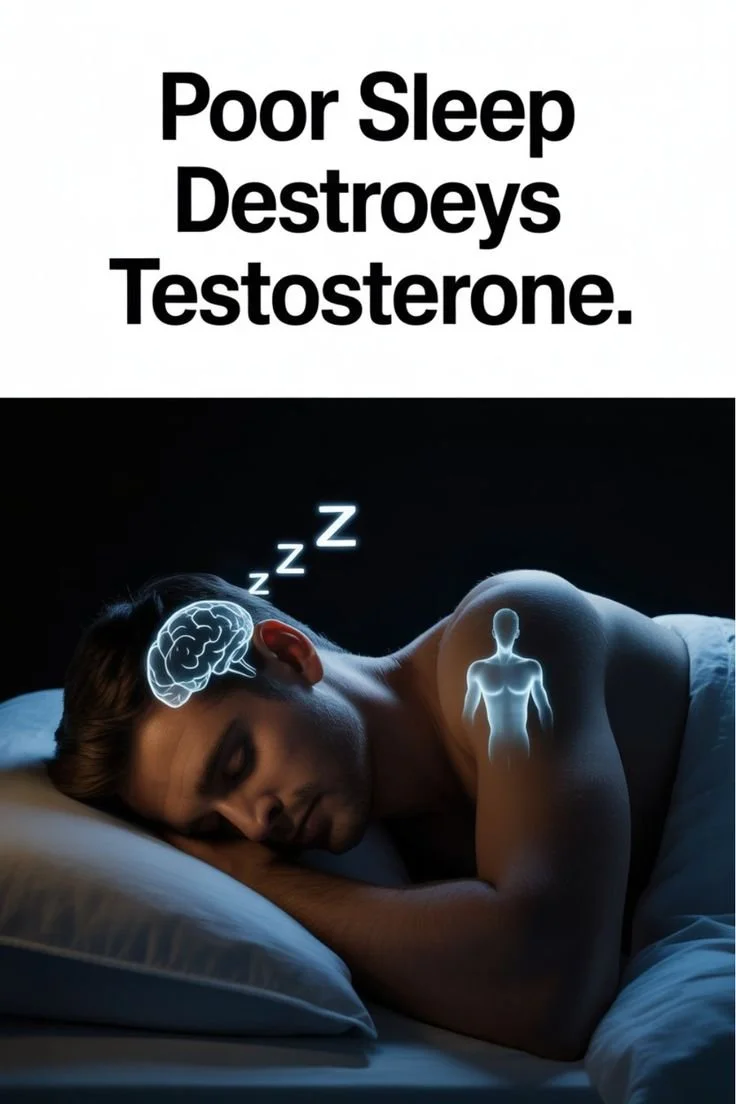
Sleep Loss and Male Testosterone
Poor sleep doesn’t just make you tired the next day — it can also chip away at testosterone, the hormone central to men’s energy, libido, muscle mass, and overall well‑being. Short nights and fragmented sleep over days or weeks shift hormone rhythms, reduce peak testosterone production, and can impair recovery from exercise and daily stress. For busy people, small, consistent actions matter: practical short routines like 10-minute workouts at home can help protect energy and promote healthier sleep patterns.
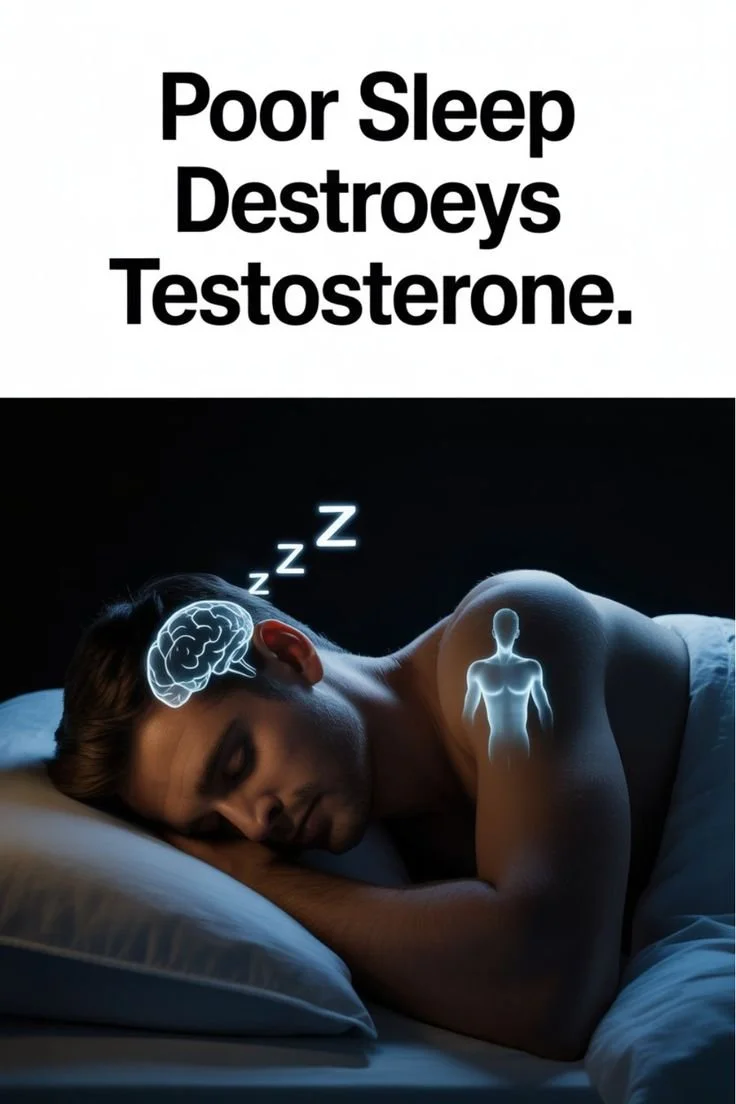
Why sleep matters for testosterone
Sleep is tightly linked to endocrine rhythms. Testosterone levels rise during sleep — especially during deep slow‑wave stages — and decline with prolonged wakefulness. Interruptions to REM and deep sleep blunt the nocturnal surge in testosterone, so chronically shortened sleep often means lower circulating levels during the day.
How poor sleep changes the body
Sleep loss increases stress hormones (like cortisol), disrupts insulin sensitivity, and alters appetite-regulating hormones — all of which interact with testosterone production. Beyond chemistry, poor sleep reduces the quality and intensity of workouts and impairs recovery, which can accelerate muscle loss and further depress hormone levels. Many athletes and trainers highlight recovery as essential; you can learn practical performance lessons from insights from bodybuilding icons who prioritize rest and routine.
Short- and long-term consequences
Lower testosterone linked to insufficient sleep can show up as reduced libido, low motivation, decreased muscle mass and strength, higher body fat, and mood changes. Over months and years, sustained hormonal imbalance increases risk factors for metabolic problems and can make it harder to maintain an active lifestyle.
Practical steps to protect testosterone
- Prioritize consistent sleep timing: go to bed and wake at similar times each day to support circadian rhythm.
- Improve sleep quality: limit evening screens, avoid heavy meals late at night, and make your bedroom cool, dark and quiet.
- Keep stress and stimulant use in check: excessive caffeine or late‑night working fights regenerative sleep.
- Exercise smartly: combine aerobic work with resistance sessions — incorporating focused resistance and strength-training tips can support hormone balance even when time is limited.
- Holistic fitness: core strength and general conditioning help sleep quality; simple core or abdominal work such as abdominal training routines can be added without long gym sessions.
When to see a doctor
If fatigue, low libido, or loss of muscle persist despite better sleep and lifestyle changes, consult a healthcare provider. They can evaluate for sleep disorders (like sleep apnea), measure hormone levels, and rule out other medical causes.
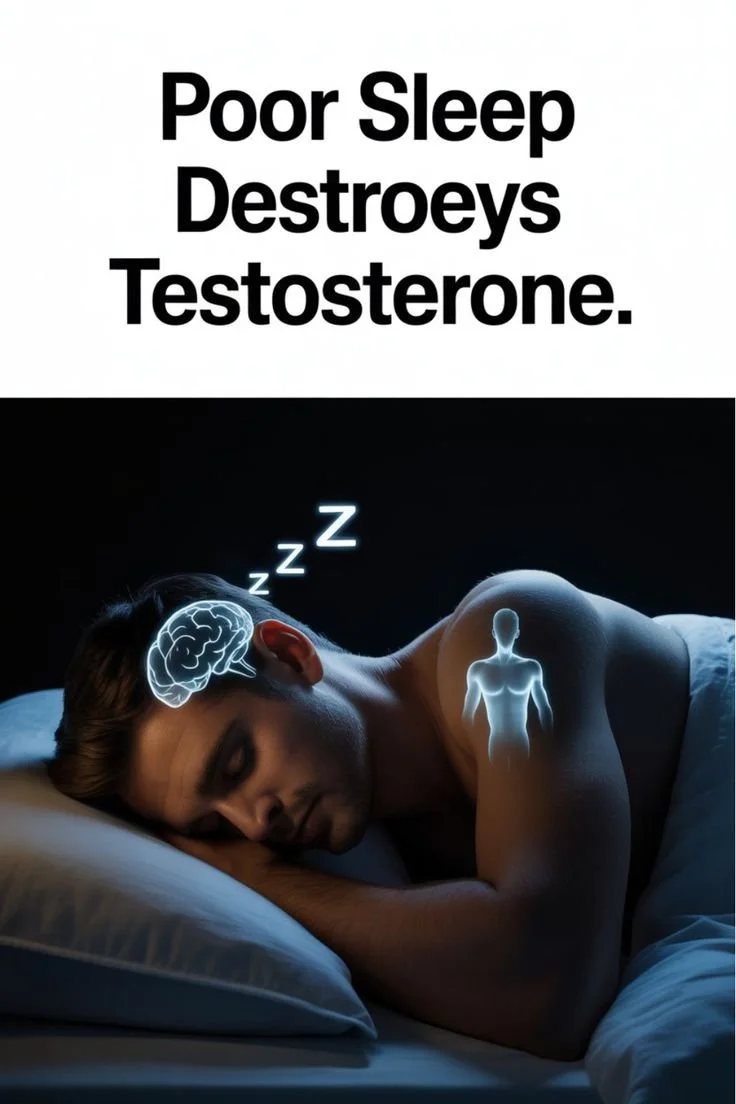
Conclusion
If you want a detailed clinical look at how even a single week of sleep restriction affects testosterone levels, read the experimental review on the topic from the NIH: Effect of 1 Week of Sleep Restriction on Testosterone Levels.



GIPHY App Key not set. Please check settings