
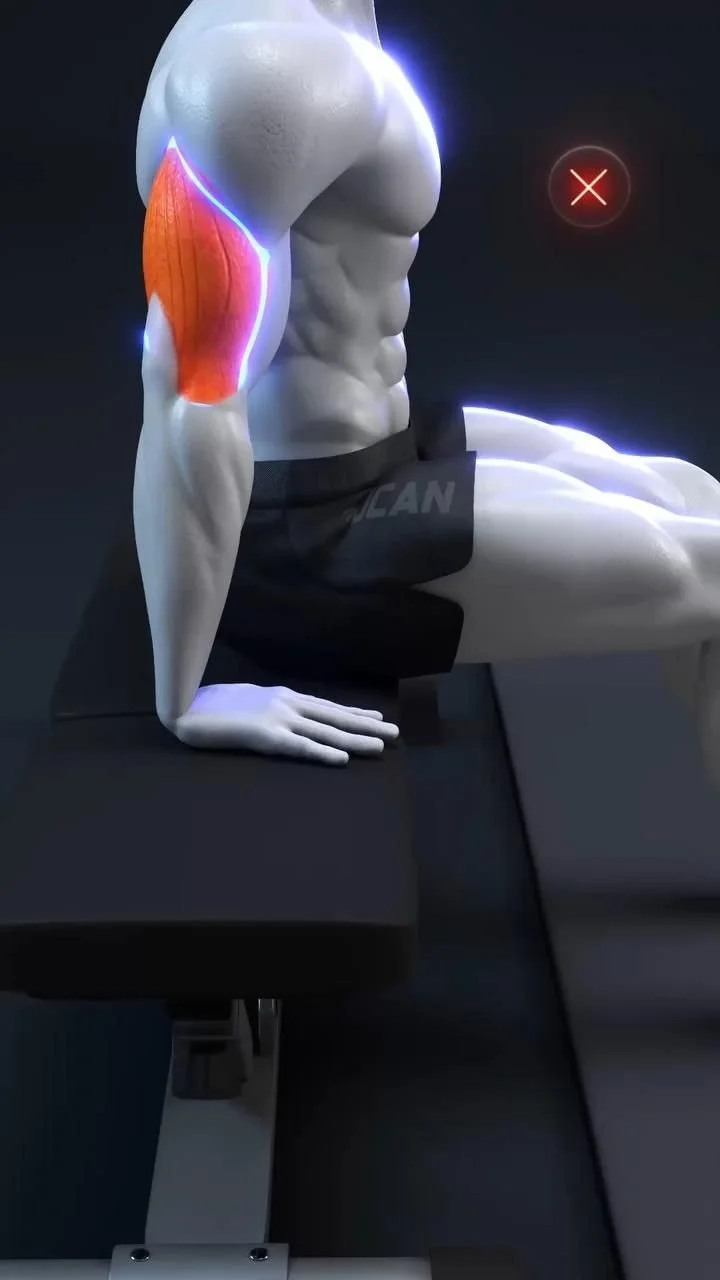
Bench Dip Blueprint
Sculpting your triceps doesn’t require endless gym machinery — just precise form and consistent effort. This guide breaks down the perfect bench dip technique so you can maximize muscle growth, avoid common pitfalls, and scale the movement as you get stronger. For foundation drills that pair well with dips, check out bodyweight training fundamentals to build stability and mobility before progressing heavy.
![Sculpt Your Triceps with the Perfect Bench Dip Form.
🔥 MAXIMIZE your Tricep Growth with PERFECT Bench Dip Form!
The… [Video] in 2025 | Body builder, Bodyweight workout, Exercise](https://tavof.com/wp-content/uploads/2026/01/sculpt-your-triceps-with-the-perfect-bench-dip-for-2026-01-09-080622.webp "Sculpt Your Triceps with the Perfect Bench Dip Form. 🔥 MAXIMIZE your Tricep Growth with PERFECT Bench Dip Form! The… [Video] in 2025 | Body builder, Bodyweight workout, Exercise 2")
Why bench dips work
Bench dips target the triceps brachii by emphasizing elbow extension under load. Because they’re a bodyweight and bench-based exercise, they’re easy to scale and can be programmed for strength, hypertrophy, or endurance depending on repetitions, tempo, and added resistance.
Perfect form — step by step
- Setup: Sit on the edge of a stable bench or chair with hands beside your hips, fingers pointing forward. Legs extended and heels on the floor for a beginner; bring feet closer or elevate them to increase difficulty.
- Unweight and descend: Slide your hips forward off the bench, keeping your shoulder blades down and chest lifted. Lower slowly by bending elbows to about 70–90 degrees; stop before shoulder discomfort.
- Press up: Drive through the palms, extending the elbows fully but avoid locking them aggressively. Keep shoulders away from the ears throughout the movement.
- Breathing and tempo: Inhale on the descent (eccentric), pause briefly at the bottom, exhale as you press up (concentric). A controlled 2–3 second descent boosts muscle tension and reduces injury risk.
Common mistakes to avoid
- Dropping too low: Going past a comfortable 90-degree elbow angle can place excessive stress on the shoulder joint.
- Flaring elbows outward: Keep elbows tucked slightly to emphasize triceps and protect the shoulders.
- Rounding the upper back: Maintain a proud chest and engaged core to keep the movement efficient.
- Relying on momentum: Control each rep; swinging reduces triceps activation and increases injury chance.
Progressions and variations
- Beginner: Shorten lever by bending knees and keeping feet flat on the floor.
- Intermediate: Extend legs fully, heels on the ground.
- Advanced: Elevate feet on a second bench, add a plate or weighted vest, or perform tempo variations (e.g., 3-second eccentric).
- Alternative placements: Narrow or wide hand positions subtly shift emphasis; narrow targets triceps more directly.
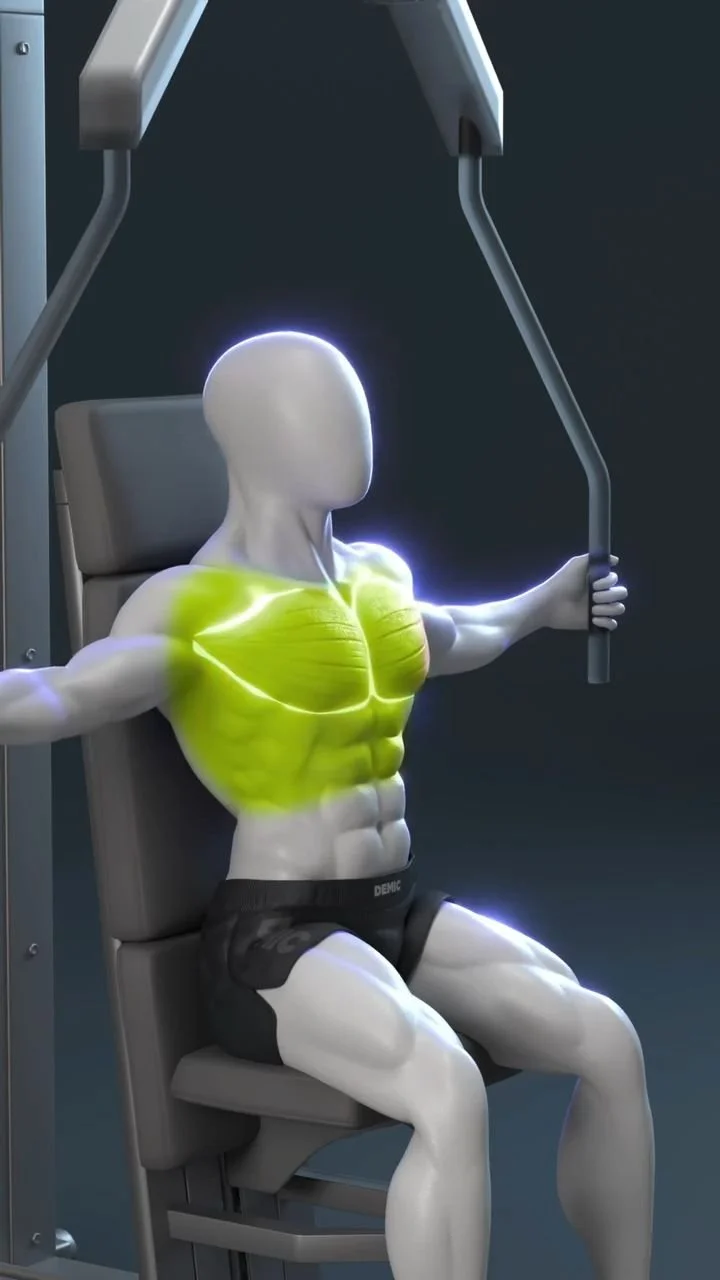
If you want complementary pushing movements that enhance pressing balance and chest strength alongside your dips, explore these chest-focused bodyweight push-up progressions.
Programming tips
- Hypertrophy: 3–4 sets of 8–15 controlled reps with 60–90 seconds rest.
- Strength: 4–6 sets of 4–8 reps with added resistance and longer rest.
- Endurance: 2–3 sets of 15–30 reps with strict form.
- Frequency: 2–3 triceps-focused sessions per week with at least 48 hours recovery between intense sessions.
- Recovery: Warm up shoulders and triceps with dynamic movements, and include mobility work for the chest and scapular region.
![Sculpt Your Triceps with the Perfect Bench Dip Form.
🔥 MAXIMIZE your Tricep Growth with PERFECT Bench Dip Form!
The… [Video] in 2025 | Body builder, Bodyweight workout, Exercise](https://tavof.com/wp-content/uploads/2026/01/sculpt-your-triceps-with-the-perfect-bench-dip-for-2026-01-09-080623-2.webp "Sculpt Your Triceps with the Perfect Bench Dip Form. 🔥 MAXIMIZE your Tricep Growth with PERFECT Bench Dip Form! The… [Video] in 2025 | Body builder, Bodyweight workout, Exercise 3")
Conclusion
For a curated list of effective bodyweight tricep movements and programming ideas to pair with bench dips, see Effective Bodyweight Tricep Exercises You Can Do Anywhere.

GIPHY App Key not set. Please check settings