

 Riri
Riri
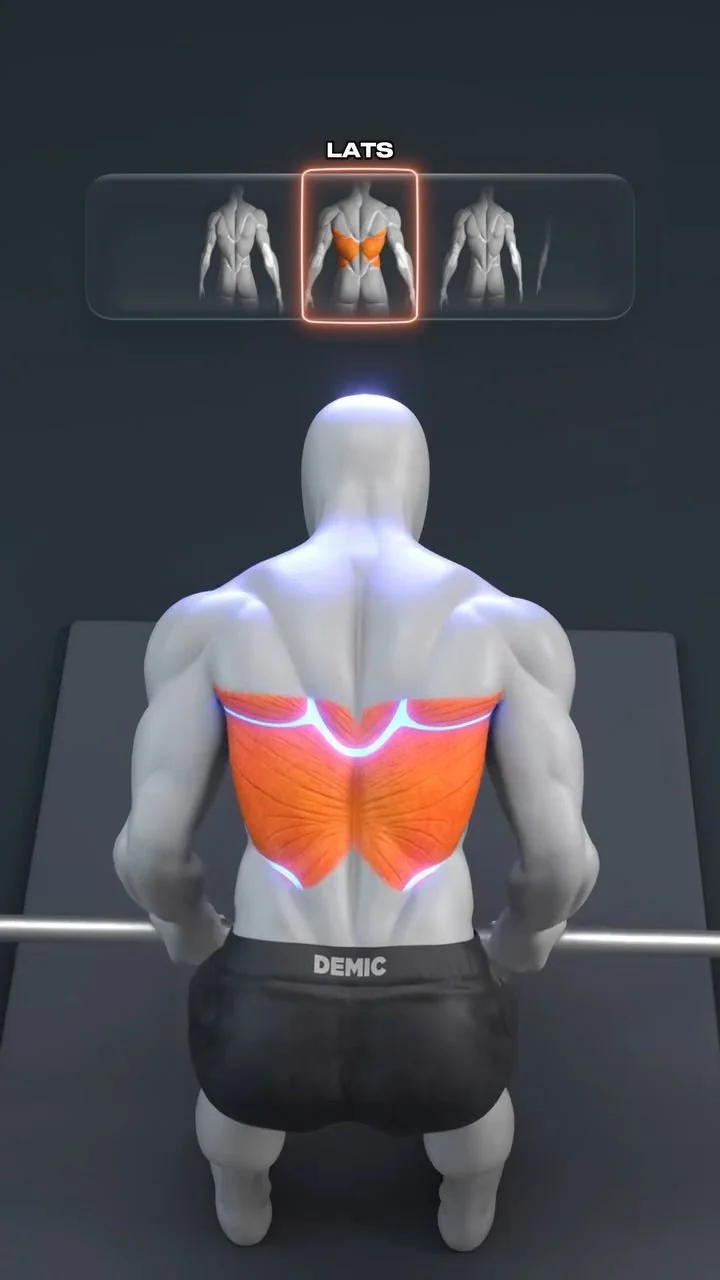
Smith Machine Row Techniques
The Smith machine row is a versatile back exercise that offers stability and control while targeting the lats, rhomboids, traps and posterior deltoids. Whether you’re new to resistance training or refining advanced technique, mastering setup, grip and movement patterns is essential for safe, effective lifts. Just as artists refine fundamentals to improve their work, athletes benefit from structured practice and attention to form — a concept similar to human figure drawing techniques that emphasize posture and mechanics.
Setup & Positioning
- Rack height: Set the bar so it sits just below waist level when the bar is unloaded — you want a starting point that lets you hinge at the hips without rounding your lower back.
- Foot placement: Stand with feet about hip-width apart. Slightly bend the knees to create stability and a neutral spine.
- Hip hinge: Push your hips back until your torso is roughly 30–45 degrees from vertical (upright rows to dead-stop row variations may use different angles). A controlled hip hinge reduces lumbar stress and places emphasis on the mid-back.
- Chest up, shoulders back: Keep the chest proud and shoulders retracted before initiating the pull to pre-load the scapular muscles.
Grip Variations & Hand Placement
- Overhand (pronated): Emphasizes upper back and rear delts; slightly wider than shoulder-width for more rhomboid and trap activation.
- Underhand (supinated): Shifts some emphasis to the lats and biceps; generally allows for a longer range of motion.
- Neutral (using a V-bar or parallel grip if available): Comfortable for many lifters and often easier on the wrists.
- Narrow vs. wide: Narrow grips bias the lower lats; wider grips emphasize the upper back and rear delts.
Execution Techniques
- Initiation: Start the pull by retracting the shoulder blades (scapular retraction) — think of pulling your elbows toward your hips rather than just pulling with the hands.
- Elbow path: Keep elbows tracking close to the body for lat focus; flare them slightly for more upper-back engagement.
- Range of motion: Pull the bar to the lower ribcage or belly button area for a full contraction, then control the descent to full arm extension without locking out aggressively.
- Avoid excessive torso sway: The Smith machine stabilizes the bar path, but you still should avoid using momentum. A slight torso lean is fine, but core bracing prevents cheating.
- Mind-muscle connection: Slow, deliberate reps with focus on feeling the target muscles improves activation. For help with mental strategies that complement technique work, consider reading about scientifically proven techniques to boost self-confidence — confidence often translates to better training consistency.
Tempo, Sets & Reps
- Strength: 4–6 reps, heavier load, 3–4 sets, 2–3 second concentric, controlled eccentric.
- Hypertrophy: 8–12 reps, moderate load, 3–5 sets, 1–2 second concentric, 2–3 second eccentric.
- Endurance/conditioning: 15–20+ reps, lighter load, 2–4 sets, steady controlled tempo.
- Time under tension: Emphasizing a controlled eccentric (lowering) phase promotes muscle damage and growth — aim to resist the bar on the descent.
Common Mistakes & Corrections
- Rounded lower back: Fix by reducing the load, re-hinging at the hips, and bracing the core. If mobility is limited, raise the bar or reduce range of motion.
- Using momentum: Eliminate jerking by lowering weight and slowing tempo. Keep scapular movement intentional.
- Too upright or too flat torso: Adjust torso angle to target desired muscle groups. More horizontal increases posterior chain demand; more upright isolates the lats.
- Bar path errors: With the fixed bar path of the Smith machine, set up so the bar travels naturally along your desired trajectory — adjust foot position rather than forcing the body into the bar.
Programming & Progressions
- Start with technique: Begin light to learn the path and muscle engagement.
- Progressive overload: Gradually increase load, volume, or improve tempo. Prioritize form over numbers.
- Variations for progression: Change grip width, add paused reps at peak contraction, use slow eccentrics, or perform drop sets.
- Integration: Use Smith machine rows as a primary horizontal pull in your back training or as an accessory on heavy pull days.
Safety Tips
- Warm-up: Activate the scapular retractors and lats with band pull-aparts, face pulls, or light single-arm rows.
- Spotting mechanism: Even though the Smith machine has safety catches, ensure they’re set to a safe height before loading heavy weight.
- Breathing: Exhale on the concentric (pull) and inhale on the eccentric (lower).
- Listen to your body: If you feel persistent joint pain (especially in shoulders or lower back), regress to lighter weight and examine setup or consult a professional.
Conclusion
For a practical, step-by-step guide that complements these technique pointers, see How to Do Smith Machine Rows (Form and Benefits) for additional form cues and benefits.



GIPHY App Key not set. Please check settings