

 amanda cohen
Title: Speak Up With Grace
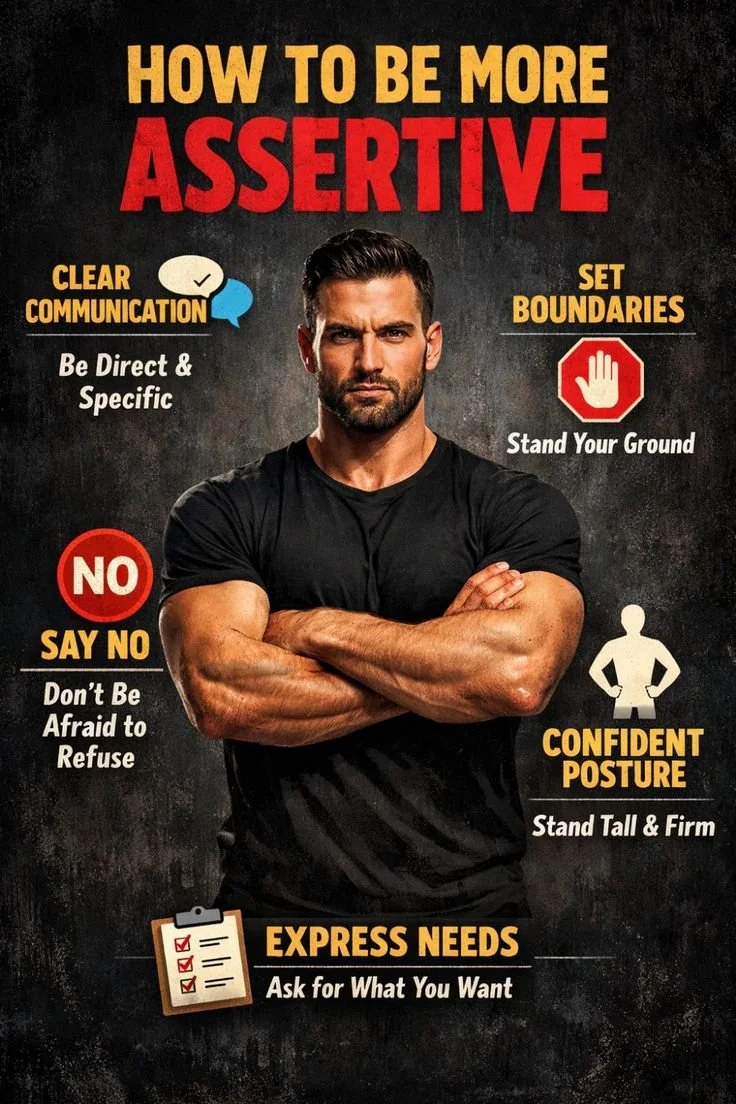
Assertiveness is the skill of expressing your thoughts, needs, and boundaries clearly and respectfully — a balance between passivity and aggression that earns trust and influence. Learning to be assertive improves relationships, reduces stress, and helps you navigate both personal and professional situations with integrity. For many, building this skill begins in everyday group settings where practice is safe and feedback is immediate; try practicing your voice in environments like community and fitness classes to gain real-world confidence.
Why assertiveness matters
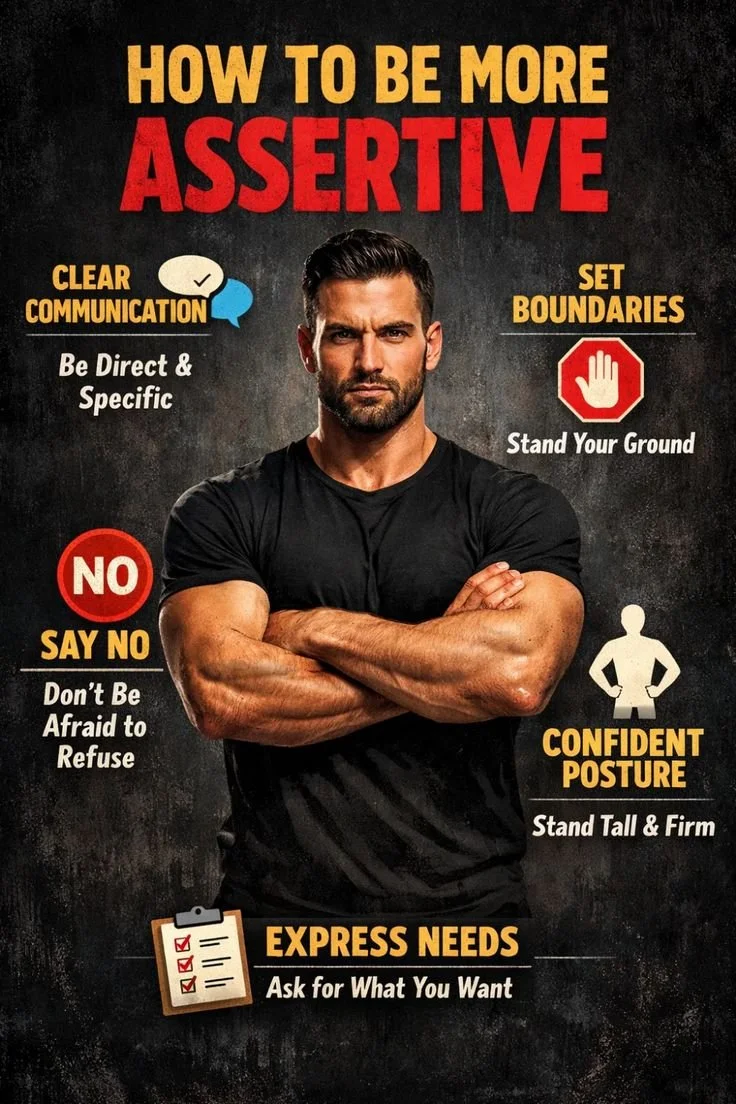
Assertiveness signals self-respect and invites respect from others. When you state your position calmly and firmly, people are more likely to listen and cooperate. This helps prevent resentment from unspoken expectations and reduces anxiety that comes from people-pleasing. Clear communication also supports better teamwork and leadership because decisions and boundaries are transparent.
Core elements of assertive communication
- Clarity: Say exactly what you mean without euphemisms.
- Brevity: Keep statements focused — long justifications can sound like ambivalence.
- Tone: Use a steady, even tone; avoid rising intonations that make statements sound like questions.
- Body language: Open posture and steady eye contact reinforce your words and convey confidence. Practices that cultivate a calm mind and strong posture, such as harmony of body and mind, can help you project assurance naturally.
Phrases that work
Use short, respectful phrases that preserve relationships while asserting needs:
- “I feel X when Y happens, and I would like Z.”
- “I can’t take that on right now; here’s what I can do.”
- “I need a pause to think; let’s revisit this at [time].”
These templates keep emotions present without blaming, which invites collaboration rather than defensiveness.
Handling pushback and criticism
Not everyone will respond positively the first time. When you meet resistance, stay composed and repeat your core message rather than escalating. Humor and lightness can defuse tension, but use it sparingly so your point isn’t undermined — learning to accept awkward moments and laugh them off is part of growth, as explored in pieces about handling awkward social moments. If someone persists, set firmer boundaries: “I hear your concern, but this is my decision,” and then move on or disengage.
Practice exercises to build muscle memory
- Role-play: Practice common scenarios with a friend or coach and swap feedback.
- Short scripts: Write and rehearse 2–3 short assertive responses for situations you often face.
- Small stakes: Start with low-risk moments — asking for clarification in a meeting or expressing a preference at a restaurant — before tackling bigger conversations.
Joining regular groups where you can speak up repeatedly helps cement confidence; consider opportunities like joining a fitness community that encourage repeated, supportive interactions.
Maintaining empathy while being firm
Assertiveness isn’t about winning; it’s about clarity and mutual respect. Pair your statements with validating phrases: “I understand this is important to you; here’s my perspective.” This reduces defensiveness and keeps dialogue productive. Over time, consistent, empathetic assertiveness reshapes your relationships so that expectations and boundaries are clearer for everyone.
Conclusion
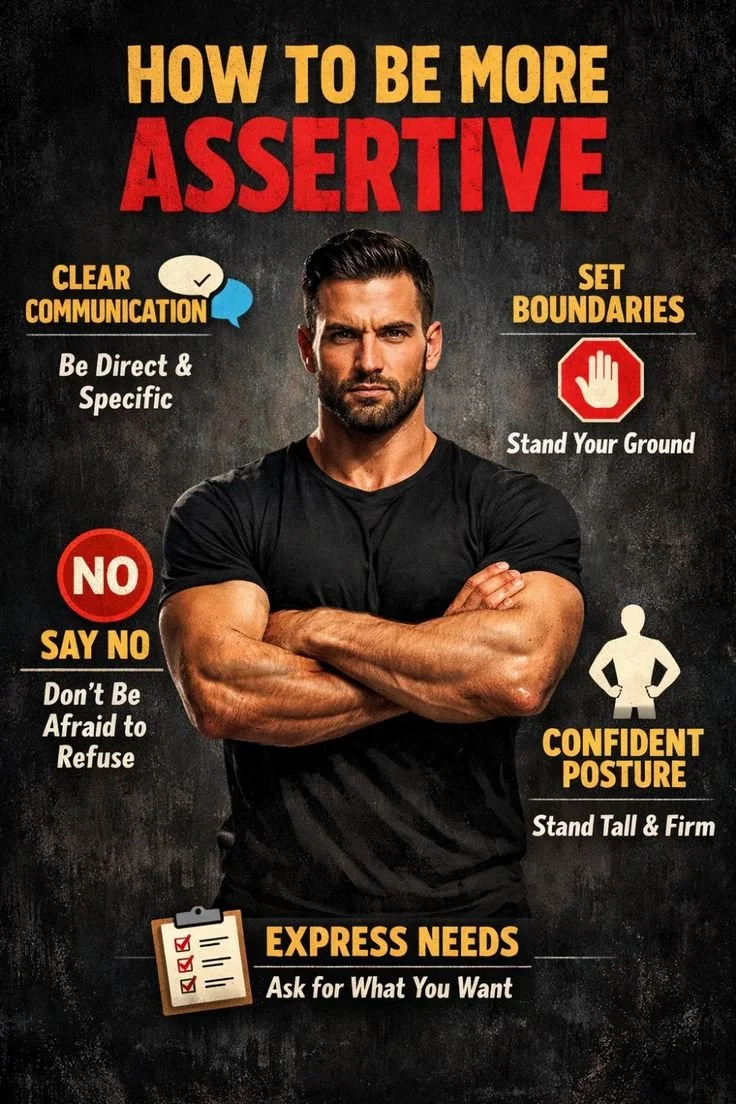
For deeper, structured exercises and a workbook approach to building assertive skills, the Alpha Assertiveness Guide for Men and Women offers practical drills and templates to help you communicate with confidence and command respect.



GIPHY App Key not set. Please check settings