
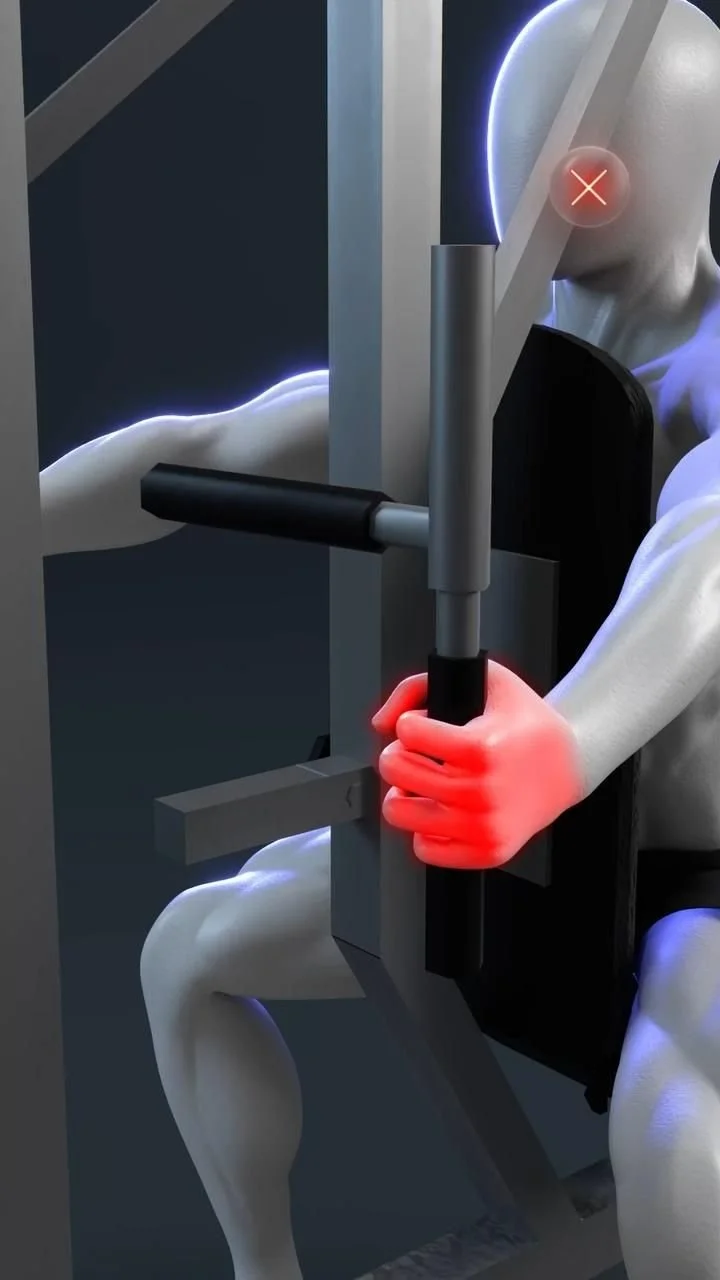
Rear Delt Rescue: A 3-Step Form Fix for Bigger Back Shoulders
Tired of weak rear shoulders holding back your progress? The rear delts are small but mighty — they control posture, stabilize the shoulder joint, and give that balanced “capped” look from behind. Improving them isn’t about doing more reps mindlessly; it’s about dialing in three form corrections that let your rear delts take the load. For an added performance boost, don’t forget how steady conditioning can help recovery and movement quality, like the benefits of cardio workouts for muscular endurance and circulation.
![Tired of Weak Back Shoulders? Follow This 3-Step Form Fix for Rear Delt Growth!
Why Your Rear Delts Aren't G… [Video] in 2025 | Deltoid workout, Workout gym routine, You nailed it](https://tavof.com/wp-content/uploads/2026/01/tired-of-weak-back-shoulders-follow-this-3-step-f-2026-01-09-080652.webp "Tired of Weak Back Shoulders? Follow This 3-Step Form Fix for Rear Delt Growth! Why Your Rear Delts Aren't G… [Video] in 2025 | Deltoid workout, Workout gym routine, You nailed it 2")
Why rear delts lag behind (short version)
- They’re small and get overshadowed by lats, traps, and rear-chain dominant movements.
- Poor form — using momentum or letting the arms/shoulders lead — shifts work to bigger muscles.
- Weak neuromuscular connection: you might be doing rear-delt movements, but your brain isn’t recruiting the target.
The 3-step form fix to finally grow rear delts
Step 1 — Set the scapula and limit trap-dominance
- Before any rep, retract and slightly depress the shoulder blades; think “pin and steady” rather than shrugged.
- Keep the traps relaxed during the movement’s concentric phase by focusing on a short, controlled pull that starts from the rear delts.
- Cue example: imagine pulling with the back of your elbow rather than the hand.
Step 2 — Control the path and prioritize horizontal abduction
- Rear delt targets love horizontal abduction (arm moves away from center in line with shoulder).
- Use a controlled 2:1 tempo (2 seconds eccentric, 1 second concentric) and stop the rep if you see torso rocking or momentum.
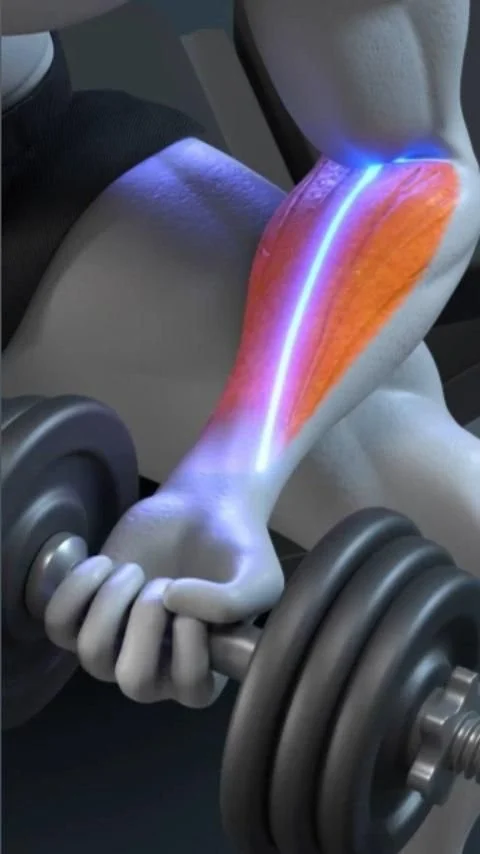
- Slightly externally rotate the humerus (thumb up for most variations) to place more tension on the posterior deltoid and less on the mid-trap.
Step 3 — Reduce load, increase mind-muscle connection
- Drop the weight 20–40% from what you normally use and increase focus on feeling the rear delt contract.
- Try peak contractions (1–2 second squeeze at the top) and partials in the last set to reinforce recruitment.
- Incorporate pauses mid-range to eliminate cheating through momentum.
Drills and exercise choices
- Face pulls with a rope (focus on elbows flaring out; lead with elbows).
- Rear-delt dumbbell flyes on an incline bench (pad chest, let arms fall straight down, raise to shoulder height).
- Single-arm cable rear delt rows (horizontal line, elbow out).
- Add light, high-quality volume: 10–20 total sets per week spread across 2–3 sessions.
Programming tips and progress tracking
- Frequency: train rear delts 2–3 times per week with one heavier, lower-rep session and one lighter, technique-focused session.
- Volume: start with 6–10 sets/week and increase gradually to 12–20 as technique stays clean.
- Track the metric that matters: consistent improvement in strict, tempo-controlled reps and perceived contraction, not just heavier plates.
- For long-term gains, combine form fixes with a sound training split and consistency; a well-structured plan helps you progress safely — see the benefits of a structured workout program when adding accessory work.
Quick troubleshooting
- If traps still take over: shrink the range slightly and emphasize elbow flare.
- If you feel pinching in the front shoulder: reduce external rotation and shorten the arc.
- If no soreness or fatigue after sessions: increase time under tension rather than load.
![Tired of Weak Back Shoulders? Follow This 3-Step Form Fix for Rear Delt Growth!
Why Your Rear Delts Aren't G… [Video] in 2025 | Deltoid workout, Workout gym routine, You nailed it](https://tavof.com/wp-content/uploads/2026/01/tired-of-weak-back-shoulders-follow-this-3-step-f-2026-01-09-080653-2.webp "Tired of Weak Back Shoulders? Follow This 3-Step Form Fix for Rear Delt Growth! Why Your Rear Delts Aren't G… [Video] in 2025 | Deltoid workout, Workout gym routine, You nailed it 3")
Conclusion
If you want a simple checklist to keep: set the scapula, control the path, and prioritize mind-muscle connection — and remember that basic back moves paired with smart accessory work are often enough to fix imbalances; check this discussion for perspective on combining deadlifts and pull-ups with accessory work in a back routine: back workout essentials.

GIPHY App Key not set. Please check settings