

 Riri
Riri
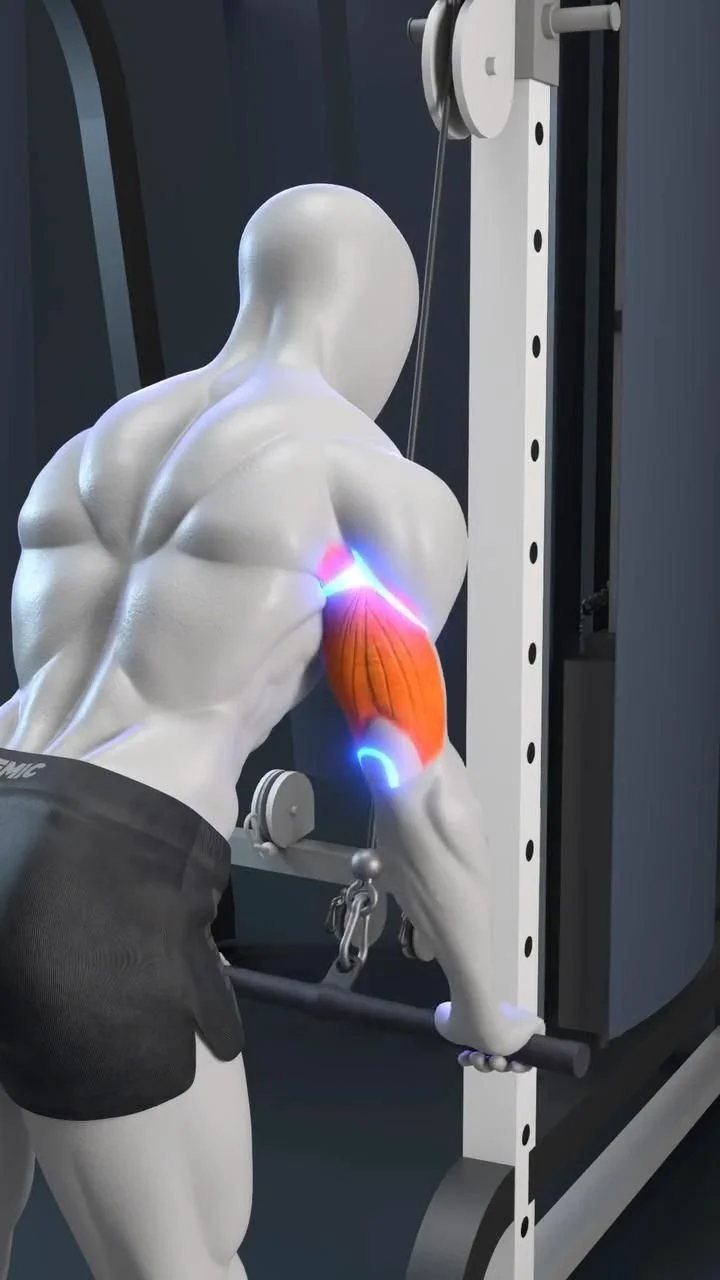
Triceps Pushdown Technique: Mastering Form for Bigger, Stronger Arms
The triceps pushdown is a staple for anyone wanting to develop the back of the upper arm. Done correctly, it isolates the triceps, minimizes shoulder involvement, and allows for progressive overload with a lower risk of injury. If you want a quick overview of complementary moves to pair with pushdowns, check out this list of 5 best exercises to build triceps.
This guide breaks the movement down into setup, execution, common mistakes, useful variations, and programming tips so you can get the most from every set.
Setup: Equipment and Starting Position
- Use a cable machine with a straight bar, rope, or V-bar attachment. Cables keep constant tension throughout the range of motion.
- Stand with feet hip-width apart, knees slightly bent for stability.
- Grip the attachment with a neutral or pronated grip depending on the bar. Keep your hands shoulder-width or slightly narrower.
- Tuck your elbows to your sides. This fixed elbow position is key — the triceps do the work when the upper arm remains stationary.
Execution: Step-by-Step Technique
- Begin with your forearms bent and the bar near chest level (or hands at chest if using a rope).
- Inhale, brace your core, and keep your upper arms vertical and pinned to your sides.
- Exhale and extend your elbows until your arms are fully straightened, pushing the attachment down using only the forearms. Avoid flaring the elbows forward.
- Squeeze the triceps at full extension for a brief pause — this enhances muscle activation.
- Inhale and slowly allow the bar to rise back to the start under control. A slow eccentric phase (2–3 seconds) increases time under tension and stimulates growth.
Tempo suggestion: 2 seconds down (concentric), hold 0.5–1 second, 3 seconds up (eccentric).
Grip, Attachments, and Variations
- Rope: Allows full external rotation at the bottom, hitting the lateral head and giving a deeper contraction.
- Straight bar: Emphasizes the medial head; good for lifting heavier loads.
- V-bar: A middle ground between rope and straight bar.
- Reverse-grip pushdown: With an underhand grip, this targets the long head differently and can add variety.
- Single-arm pushdown: Addresses imbalances and improves unilateral control.
Rotate attachments across training cycles to hit the triceps from slightly different angles and recruit all heads.
Anatomy & Visualization
Understanding muscle shape helps you cue better form. Visualize the triceps as a three-headed muscle that crosses the elbow — your job is to prevent shoulder movement and let the elbow extend. For those who appreciate visual learning or are artists studying anatomy, resources on figure proportions and muscle sketching can improve your mind-muscle connection; see this guide on human figure drawing essential techniques for artists to better visualize muscle lines and leverage in movement.
Common Mistakes and Fixes
- Elbow flaring: If elbows move forward, the shoulders take over. Keep elbows pinned and imagine they’re glued to your sides.
- Using momentum: Swinging the torso or using legs reduces triceps tension. Reduce weight and slow the tempo.
- Not achieving full extension: Leaving a gap at the bottom limits growth. Use a lighter load to ensure a controlled, complete lockout.
- Over-gripping: Holding the bar too tight can activate the forearms excessively. Maintain a firm but not crushing grip.
Programming Tips
- Reps & sets: 3–4 sets of 8–15 reps works well. Lower reps (6–8) for strength with heavier loads; higher reps (12–20) for hypertrophy and metabolic stress.
- Frequency: 2–3 times per week, depending on recovery and overall volume.
- Pairing: Use pushdowns as an accessory after primary pressing movements (bench or overhead presses) or as a finisher to fully fatigue the triceps.
- Progressive overload: Track reps or weight and increase gradually. Small jumps in load or an extra rep per set add up over time.
Warm-up and Safety
- Warm the elbow joint with 1–2 light sets of pushdowns (15–20 reps) before moving to working weight.
- Stretch gently after training; gentle triceps stretches can help maintain shoulder mobility.
- If you feel elbow pain, reduce load, check your technique, and consider swapping to neutral-grip variations or consulting a clinician if pain persists.
Conclusion
For a concise tutorial covering proper form, benefits, and more variations of the movement, see this detailed resource on Tricep Pushdowns: Techniques, Benefits, Variations.

GIPHY App Key not set. Please check settings