

 Riri
Riri
Fueling Hormone Harmony
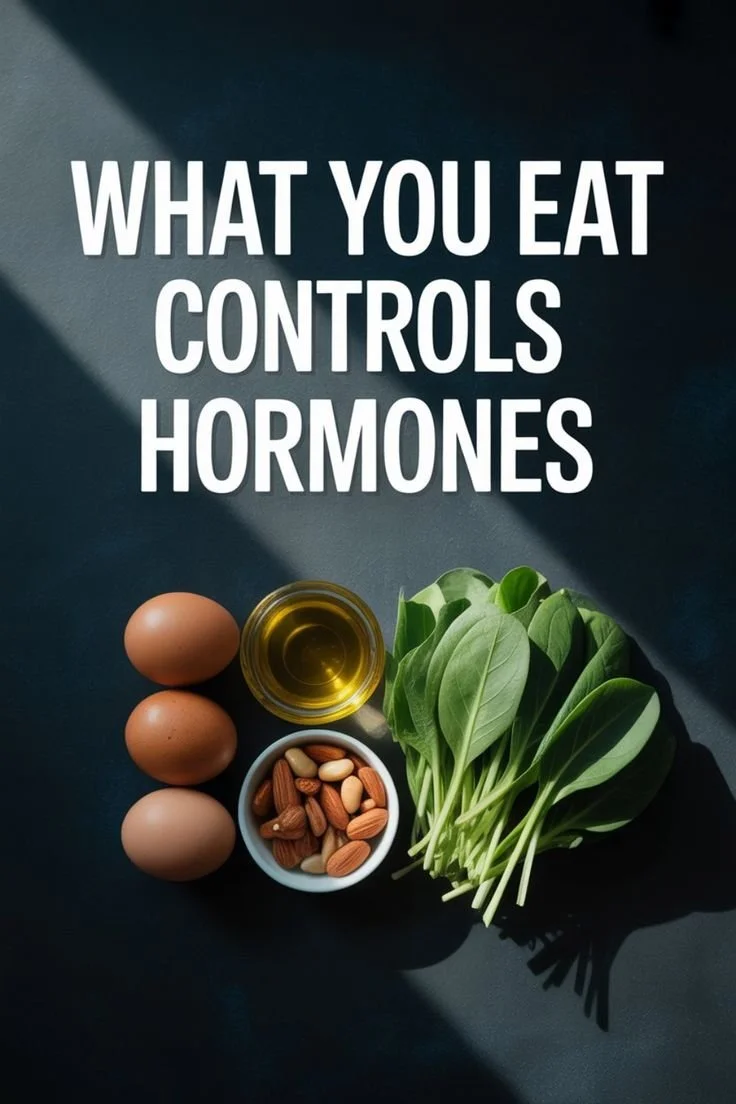
What you eat has a direct, powerful effect on your hormones — the chemical messengers that regulate appetite, mood, sleep, metabolism, and reproductive health. Small, consistent dietary choices can shift hormone balance toward resilience or dysregulation; pairing food with exercise and lifestyle tweaks deepens that effect. For a perspective on how long-term habits shape body and mind, consider lessons from experienced lifters about consistency and recovery: a letter to my younger self on bodybuilding and life.
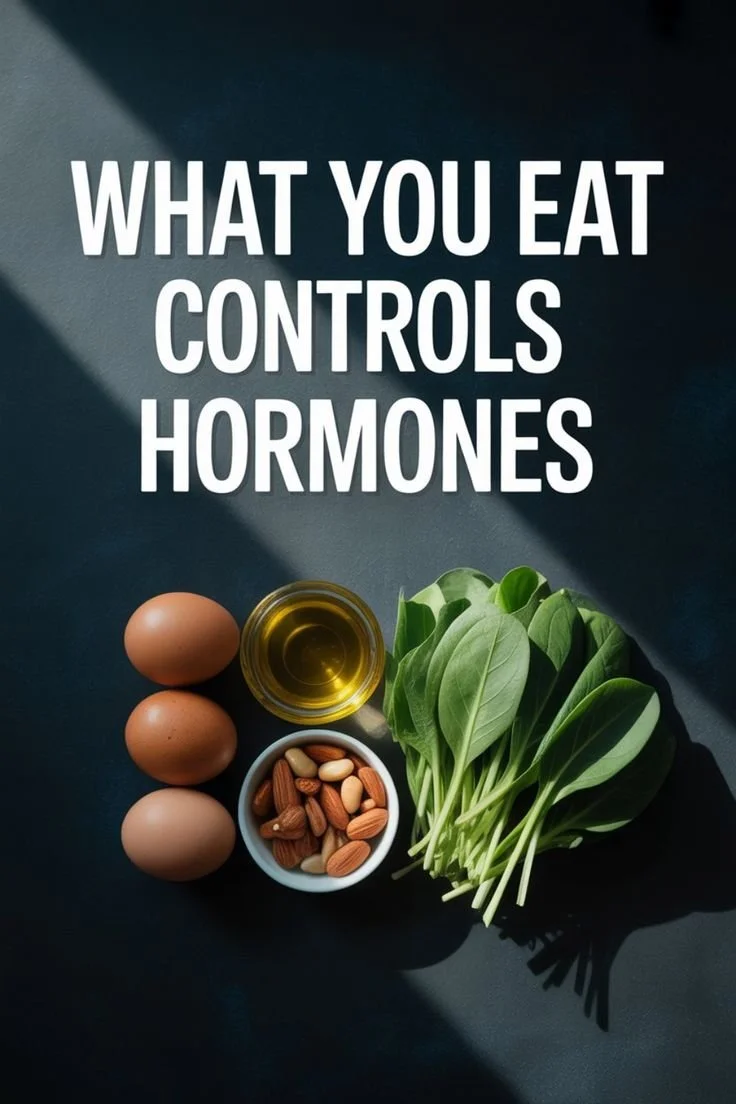
Understanding how food influences hormones gives you practical levers to improve energy, weight control, sleep, and mood. Below are focused strategies and the science-backed foods that help steer your endocrine system toward balance.
What foods influence which hormones?
- Insulin: Carbohydrates raise insulin; choosing low-glycemic carbs (whole grains, legumes, non-starchy vegetables) and pairing them with fiber, protein, and healthy fats softens spikes.
- Cortisol: Chronically high cortisol is linked to stress and refined sugar intake; balanced meals with adequate protein and complex carbs help blunt stress-driven cravings.
- Thyroid hormones: Iodine, selenium, zinc, and adequate calories support thyroid function; extreme dieting and excess soy without sufficient overall nutrition can interfere.
- Sex hormones (estrogen, testosterone, progesterone): Healthy fats (omega-3s, monounsaturated fats), sufficient protein, and stable body fat help maintain optimal levels.
- Gut hormones (ghrelin, GLP-1, PYY): Fiber, protein, and fermented foods support the gut-brain axis and satiety signaling.
Key nutrients that steer hormones
Protein: Each meal should include a quality protein source (eggs, fish, legumes, poultry, tofu) to support glucoregulatory hormones and muscle-preserving anabolic signaling. Strength training complements this, and targeted core work can improve metabolic health when paired with the right nutrition — see effective routines like abs-killer exercises to burn your core for conditioning ideas.
Healthy fats: Monounsaturated and omega-3 fats (olive oil, avocados, nuts, fatty fish) are precursors to hormone production and reduce inflammation that can disrupt endocrine signaling.
Fiber and fermented foods: Fiber feeds beneficial gut bacteria that produce metabolites influencing hormone release; fermented foods (yogurt, kefir, sauerkraut) support diversity and gut-driven hormone balance.
Foods and patterns to favor and avoid
Favor:
- Whole, minimally processed foods
- Regular meals with balanced macronutrients
- Colorful vegetables and fruits for phytonutrients
- Fermented foods and prebiotic-rich choices
Avoid or limit:
- Highly processed foods high in refined sugars and industrial seed oils, which promote inflammation and insulin resistance
- Excess alcohol and chronic calorie restriction, both of which can derail sex hormone balance
Practical swaps and timing
- Swap sugary breakfast cereals for Greek yogurt with berries and nuts to stabilize blood sugar.
- Replace soda with sparkling water and a squeeze of citrus to reduce insulin excursions.
- Time carbs around activity: eat more of your starchy carbs around workouts to support recovery and insulin sensitivity.
Small consistent swaps compound into meaningful endocrine benefits. Pairing proper nutrition with supportive gear and a training mindset can help you stay consistent; consider how the right equipment boosts long-term adherence and comfort: supportive training apparel.
Lifestyle levers that amplify food’s effects
- Sleep: Poor sleep raises ghrelin and lowers leptin, increasing hunger and impairing glucose tolerance.
- Movement: Resistance training and high-intensity movement improve insulin sensitivity and anabolic hormone responses; targeted resistance work on lagging muscle groups also supports body composition goals, for example with exercises to chisel your lower chest.
- Stress management: Mindfulness, breathwork, and balanced macronutrient intake reduce chronic cortisol elevation.
Putting it into practice — a sample day
- Breakfast: Omelet with spinach and avocado, whole-grain toast — protein + healthy fat + fiber.
- Snack: Plain yogurt with berries and a few walnuts.
- Lunch: Grilled salmon, quinoa, mixed greens with olive oil.
- Pre- or post-workout: Banana and a protein shake when training intensely.
- Dinner: Lentil stew with vegetables and a side salad; prioritize portion control and nutrient density.
Conclusion
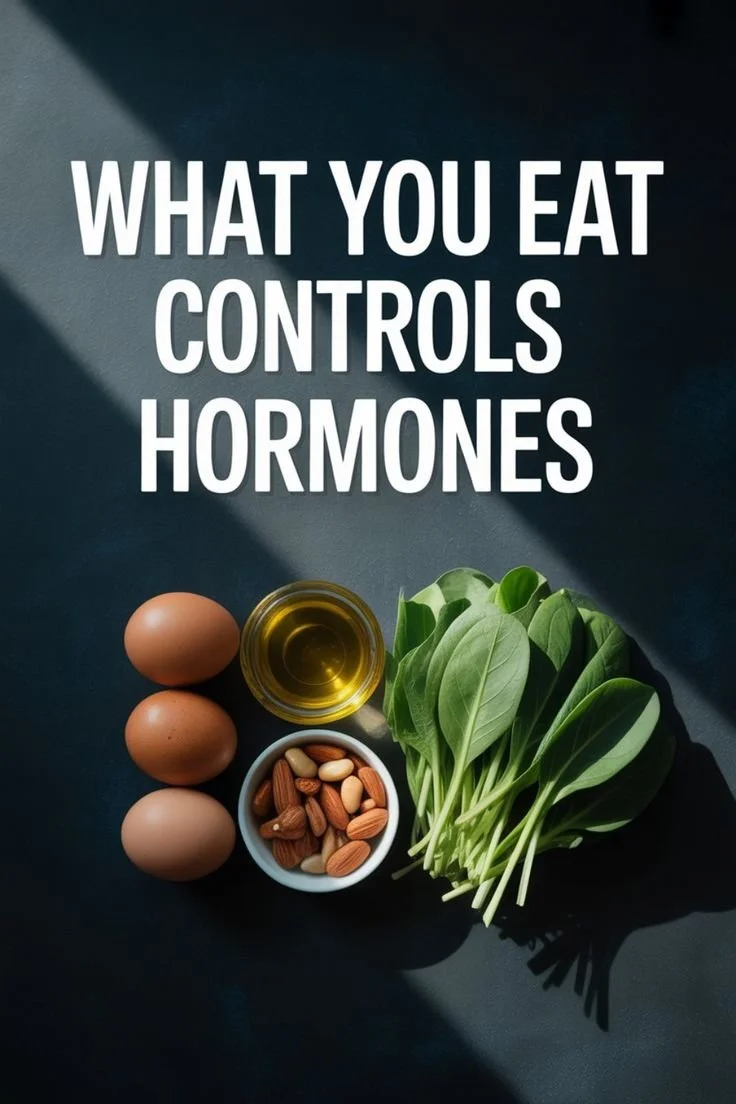
For a concise, science-based overview of how food affects brain chemistry and mental health — an important part of hormone balance — see Harvard Health’s overview of nutritional psychiatry.



GIPHY App Key not set. Please check settings