

 amanda cohen
Home Abs Routine (2025): A Simple, Challenging At-Home Plan
If you want a compact, effective abdominal routine you can do without a gym, this Dragon Flag–based session is a great choice. It combines high-skill moves with accessible bodyweight exercises so you can build core strength, control, and visible muscle definition from home. For more ideas on how to structure workouts when you don’t have gym access, see this guide to effective home workouts that don’t require equipment.
Overview of the routine (3 rounds)
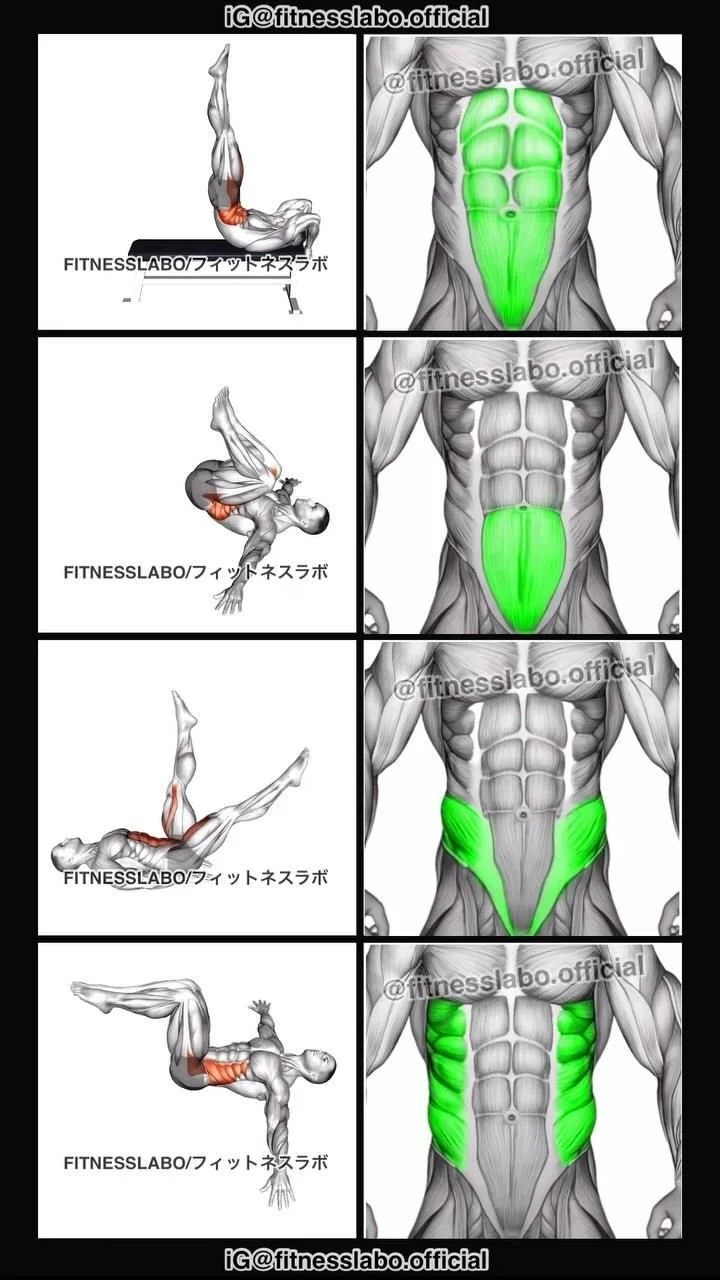
- Dragon Flag — 10 reps
- Lying Hip Raise — 10 reps
- Alternate Leg Raise — 20 reps (10 each leg)
- Half Wipers — 20 reps (10 each side)
Total: 3 circuits. Rest 60–90 seconds between rounds.
Why these exercises work
- Dragon Flag: A full-body tension move that targets the rectus abdominis and requires scapular/hip control and anti-extension strength. It’s advanced but highly effective for core rigidity.
- Lying Hip Raise: Emphasizes the lower abs and hip flexors while also training posterior chain engagement at the top of the movement.
- Alternate Leg Raise: Improves unilateral control, lower abdominal endurance, and helps correct imbalance.
- Half Wipers: Rotational work that targets obliques and trains anti-rotation and spinal control through a loaded range of motion.
How to perform each exercise safely
- Dragon Flag (progression tips)
- Lie on a bench or stable surface and hold the sides behind your head. Press your lower back into the pad and lift your body into a straight plank from shoulders to feet. Lower with control until just before your back touches, then press back up.
- Focus on braced breathing (exhale on the hard part) and keep shoulders and upper back anchored. If full Dragon Flags are too hard, try negative-only reps (slowly lower from the top) or tuck-flag variations with bent knees.
- Lying Hip Raise
- Lie flat, extend legs, and drive hips upward by contracting glutes and lower abs until your body forms a straight line from shoulders to knees. Lower slowly.
- Cue: squeeze glutes at the top; avoid hyperextending the lumbar spine.
- Alternate Leg Raise
- Lie flat with hands under your hips for support. Keep legs straight and lift one leg to ~45–60 degrees while the other slowly lowers but doesn’t touch the ground. Alternate.
- Keep the pelvis neutral and avoid swinging the legs; move slowly to emphasize control.
- Half Wipers
- Lie on your back, legs extended toward the ceiling. Lower both legs together to one side until you feel a stretch in the obliques, then return to center and switch. Keep the lower back pressed into the floor.
- Limit range if you feel pulling in the lower back; increase ROM as control improves.
Programming and progression
- Frequency: 2–4 sessions per week depending on recovery and overall training volume. For most people, 3 times weekly strikes a good balance.
- Rep scheme alternatives: If 10 reps of Dragon Flag is too many, start with 3–6 quality reps per set and supplement with negatives. For leg raise work, prioritize slow tempo (2–3 seconds up, 2–3 seconds down).
- Increase difficulty by adding tempo changes (longer eccentrics), weighted vests, or pausing at weak points. For balanced development, pair this routine with posterior chain work (deadlifts, glute bridges) and full-body strength training — see routines focused on specific core demands like the best ab workouts for men for ideas on complementary exercises and programming.
Sample 4-week progression
- Week 1: 3 rounds at prescribed reps, focusing on form and breathing.
- Week 2: Add a 2–3 second eccentric on each rep.
- Week 3: Increase Dragon Flag reps by 1–2 per set or add a 2–second isometric hold at the halfway point.
- Week 4: Test a max-rep Dragon Flag set (with same strict form) and compare to baseline.
Scaling for beginners and alternatives
- Beginner regressions: Tuck dragon flags, bent-knee hip raises, lying marching instead of full alternate leg raises, and side-plank half-wipers (dynamic oblique lift from side plank).
- If you lack a bench, perform Dragon Flag progressions on the floor holding a sturdy table edge or use negative leg lowers with hands gripping something stable overhead.
Common mistakes and how to avoid them
- Arching the lower back: Keep the pelvis neutral, engage glutes, and limit ROM until control improves.
- Using momentum: Slow, controlled reps are more effective and safer than fast swinging reps.
- Breath-holding: Use regular braced breathing (exhale during concentric effort) to maintain intra-abdominal pressure and stability.
Warm-up and recovery
- Warm-up (5–8 minutes): dynamic hip swings, cat-cows, dead bugs, and light plank variations to prime the core and posterior chain.
- Cool-down: gentle hamstring/hip flexor stretches and foam rolling for the lower back/glutes if needed. Prioritize sleep, nutrition, and progressive overload to see visible changes.
Conclusion
This compact ab circuit blends high-skill tension work with controlled accessory moves for a well-rounded core session you can do at home. Focus on consistency, quality of movement, and gradual progression — over weeks, you’ll notice improvements in strength, stability, and appearance.

GIPHY App Key not set. Please check settings