

 Riri
Riri
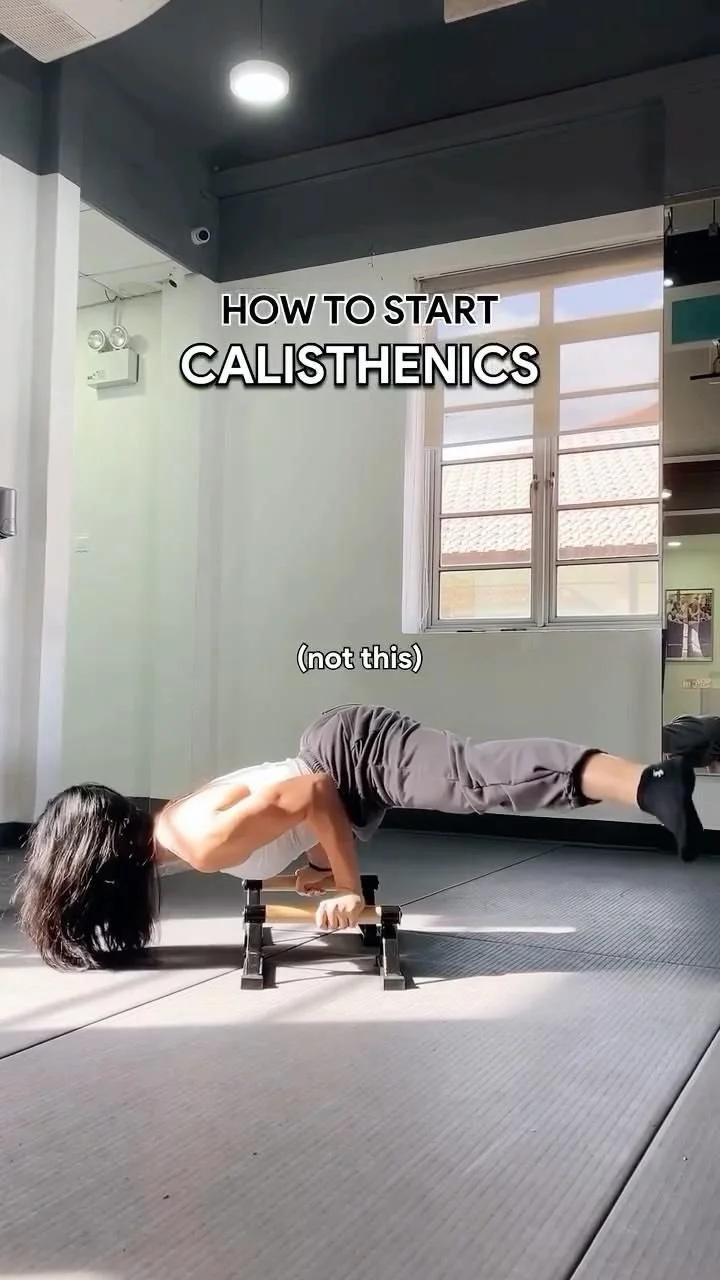
Beginner’s Guide: 7 Foundational Calisthenics Moves (Maveripped’s 2025 Demo)
If you’re new to bodyweight training, Maveripped’s 2025 demo of seven foundational exercises is a great starting point. These moves build balanced strength, body awareness, and movement quality you can use at home with minimal equipment. Strong core work underpins every calisthenics skill—if you want more advanced core progressions like dragon flags and hip raises, check out this detailed abs workout at home — dragon flag & laying hip raise to plan a long-term core progression.
Below I break down the seven foundational moves, simple regressions and progressions, programming tips, and a short beginner routine you can start today.
The 7 Foundational Exercises (what Mavericks likely covers)
-
Push-up (horizontal pressing)
- Why: Builds chest, shoulders, triceps and teaches scapular control.
- Regression: Incline push-ups (hands on a bench or wall).
- Progression: Decline push-ups, archer push-ups, or ring/uneven push-ups.
- For detailed push-up variations and chest-oriented bodyweight programming, see this chest workout bodyweight exercises — push-ups (2025) resource.
-
Australian/Inverted Row (horizontal pulling)
- Why: Develops back strength and scapular retraction; balances pressing work.
- Regression: Higher bar angle or bent-knee rows.
- Progression: Move to lower angles, single-arm rows, or full pull-ups.
-
Assisted Pull-up or Dead Hang (vertical pulling readiness)
- Why: Vertical pulling is essential; dead hangs build grip and decompression.
- Regression: Band-assisted pull-ups, negative (eccentric) reps.
- Progression: Unassisted pull-ups, weighted or one-arm variants.
-
Bodyweight Squat (leg strength & mobility)
- Why: Fundamental lower-body pattern, builds quads, glutes, and ankle/knee control.
- Regression: Box squat to a chair to ensure depth and form.
- Progression: Pistol squat progression, jump squats, or Bulgarian split squats.
-
Glute Bridge / Hip Thrust (posterior chain)
- Why: Strengthens glutes and hamstrings, balances anterior chain.
- Regression: Double-leg bridge with holds.
- Progression: Single-leg bridge, elevated foot variations, or weighted hip thrusts.
-
Hollow Hold / Lying Leg Raises (core & tension)
- Why: Teaches full-body tension and core coordination essential for calisthenics.
- Regression: Tuck hollow or bent-knee leg raises.
- Progression: Extended leg raises, toes-to-bar, or L-sit variations.
-
Plank + Scapular/Shoulder Stability Work
- Why: Builds anti-extension/anti-rotation strength and shoulder health.
- Regression: Knee planks, short holds.
- Progression: RKC plank, plank to push-up transitions, or weighted holds.
How to Practice Each Move (sets, reps and cues)
- Warm-up: 5–10 minutes of dynamic mobility (arm circles, leg swings, band pull-aparts).
- General beginner dosing:
- Push/pull/legs/core each 2–4 sets per session.
- Reps: aim for 6–12 quality reps for strength-focused moves; 10–20 for endurance-style squats/bridges.
- Holds: core and stability holds 20–60 seconds depending on level.
- Technical cues:
- Push-ups: neutral spine, tuck ribs, drive through mid-chest.
- Rows: squeeze shoulder blades, avoid shrugging.
- Squats: knees track toes, chest up, sit between heels.
- Hollow/leg raises: maintain posterior pelvic tilt and full-body tension.
Simple Progressions and Weekly Structure
- Aim for 3 non-consecutive training days per week (e.g., Mon/Wed/Fri).
- Progress by:
- Adding reps or sets.
- Reducing assistance (lowering incline or lighter band).
- Increasing difficulty (changing leverage, adding tempo, or slower eccentrics).
- Example weekly split:
- Day A (Push + Core): Push-ups, planks, hollow holds.
- Day B (Pull + Legs): Australian rows, assisted pull-ups, squats, glute bridges.
- Day C (Full-body): Mixed circuit of lighter sets focusing on technique and volume.
Sample Beginner Circuit (do 2–4 rounds)
- 8–12 incline push-ups
- 8–10 Australian rows
- 10–15 bodyweight squats or box squats
- 10 glute bridges (single-leg regressions if needed)
- 20–40 second hollow hold
- 30–60 second plank or 6–8 scapular push-ups
Rest 60–90 seconds between rounds. Focus on clean form more than completing reps.
Common Mistakes and How to Fix Them
- Moving too fast: slow down eccentric (lowering) phase—2–4 seconds helps build control.
- Skipping scapular work: add band pull-aparts or scapular shrugs to prevent shoulder issues.
- Poor breathing/tension: exhale on exertion, brace core for all standing and pressing moves.
- Not tracking progress: log reps/variants weekly so you know when to step up difficulty.
Equipment for Home Training (minimal & useful)
- A sturdy pull-up bar or low bar for rows
- Resistance bands for assistance and extra tension
- A chair/bench for incline/decline work and box squats
- Optional: gymnastics rings for advanced rows and push variants
Conclusion
Starting with these seven foundational calisthenics exercises creates a sustainable pathway from absolute beginner to intermediate bodyweight skills. Focus on consistency, prioritize form, and advance gradually—small, steady improvements add up fast. Keep sessions manageable, listen to your body, and enjoy the process of getting stronger without needing a gym.


GIPHY App Key not set. Please check settings