

 amanda cohen
Top Ab Exercises for Stronger, Cleaner-Looking Core — Let’s Train (2025 Update)
Introduction
A strong core is about more than six-pack aesthetics — it improves posture, reduces back pain, boosts athletic performance, and helps everyday movement. Whether you train at home, in a gym, or follow a structured program, the right mix of bodyweight and resistance exercises will give you the best results. If you’re building a full routine and want context on how core work fits into overall health, see this comprehensive guide to unlocking your fitness potential.
Why the Core Matters
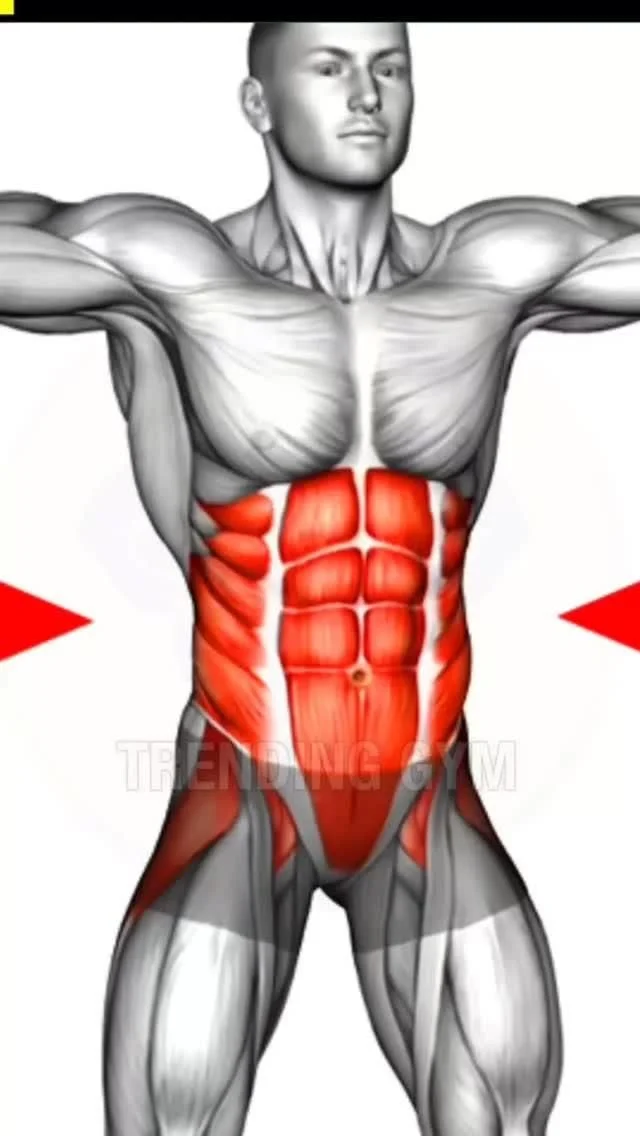
The "core" includes the rectus abdominis, obliques, transverse abdominis, and many stabilizing muscles in the hips and lower back. Training these muscles improves force transfer between your upper and lower body and protects your spine during heavy lifts or daily tasks. Good core development is balanced development — avoid only chasing crunches and instead train stability, anti-rotation, flexion and extension.
Top Exercises (and How to Progress Them)
- Plank Variations (Stability)
- What: Front planks and side planks.
- Progression: Increase hold time, add single-leg raises, or perform plank-to-push-up transitions.
- Tip: Keep a neutral spine and draw ribs down — focus on tension, not sagging.
- Hanging Leg Raises (Lower-abs emphasis)
- What: Hang from a bar and raise legs/knees to hip level or higher.
- Progression: Start with knee raises, move to straight-leg raises, then toes-to-bar.
- Tip: Avoid swinging; use controlled motion and exhale on the lift.
- Bicycle Crunches (Obliques and Rotation)
- What: Alternating elbow-to-opposite-knee movement with a slow tempo.
- Progression: Increase tempo or add a light resistance band for harder reps.
- Tip: Keep shoulders off the floor and really twist from the ribs, not just the elbows.
- Dumbbell Russian Twist (Weighted Rotation)
- What: Sit with a neutral spine, feet off the floor, rotate torso with a dumbbell.
- Progression: Increase dumbbell weight or perform on an incline bench.
- Tip: Move with control — rotational power comes from the core, not momentum.
- Dead Bugs (Anti-extension and Coordination)
- What: On your back, alternately extend opposite arm and leg while maintaining a flat lower back.
- Progression: Add resistance bands or hold a light dumbbell overhead with both hands.
- Tip: Keep the pelvis stable; the lower back should remain in contact with the floor.
- Renegade Row (Anti-rotation + Strength)
- What: In plank position with dumbbells, row one dumbbell at a time.
- Progression: Increase weight, perform from knees to build strength first.
- Tip: Brace the abs to avoid twisting; keep hips square to the ground.
- Dumbbell Side Bend (Oblique Isolation)
- What: Standing, bend to the side with a dumbbell.
- Progression: Increase weight slowly and avoid excessive momentum.
- Tip: Use this sparingly — it’s great for targeted strength but not the primary tool for functional core stability.
Designing a 20–30 Minute Abs Session
Circuit (3 rounds)
- Plank hold — 45 seconds
- Hanging knee raises — 10–12 reps
- Dumbbell Russian twists — 20 total (10 per side)
- Dead bugs — 12 reps per side
- Rest 60–90 seconds between rounds
For strength focus: 3–5 sets of 6–10 heavier reps (e.g., weighted sit-ups, renegade rows).
For endurance/conditioning: Higher reps and shorter rests, or include abs exercises inside a full-body metabolic circuit.
Training Frequency and Recovery
- Frequency: 2–4 targeted core sessions per week is enough for most people; include core work as part of compound lifts on other days.
- Recovery: The core recovers quickly, but listen to soreness and avoid training to failure every session.
- Recovery tools: mobility work, soft tissue work, and ensuring adequate protein and sleep.
Common Mistakes to Avoid
- Over-relying on crunches: They train a small range of motion and often lead to neck strain.
- Using momentum: Swinging reduces the effectiveness of the exercise.
- Neglecting breathing: Exhale on exertion and maintain intra-abdominal pressure for heavy resistance work.
- Skipping hip mobility: Tight hips often limit core function; include hip flexor and hamstring mobility.
Adapting to Home or Gym Settings
You don’t need a full gym to train your core effectively. Bodyweight moves like planks, bicycles, and dead bugs are highly effective. If you have dumbbells, add weight to Russian twists, side bends, or renegade rows for progressive overload. For more structured home routine ideas, check out this resource on effective home workouts — no gym, no problem.
Programming Tips for Visible Results
- Combine strength-focused core training with full-body resistance work and progressive overload.
- Reduce body fat with a calorie-controlled diet and consistent cardio/conditioning for abdominal definition.
- Consistency over gimmicks: steady training, smart nutrition, and progressive challenge yield the best long-term results.
Conclusion
If you’re wondering about the metabolic impact of different full-body moves that often get tossed into ab or conditioning workouts — for example, whether burpees really burn as few calories as some claim — this discussion offers a useful community breakdown: do burpees really burn so few calories?
Ready to train? Start with balanced selections from this list, progress weekly, and follow a consistent schedule — your core will thank you.

GIPHY App Key not set. Please check settings