

 amanda cohen
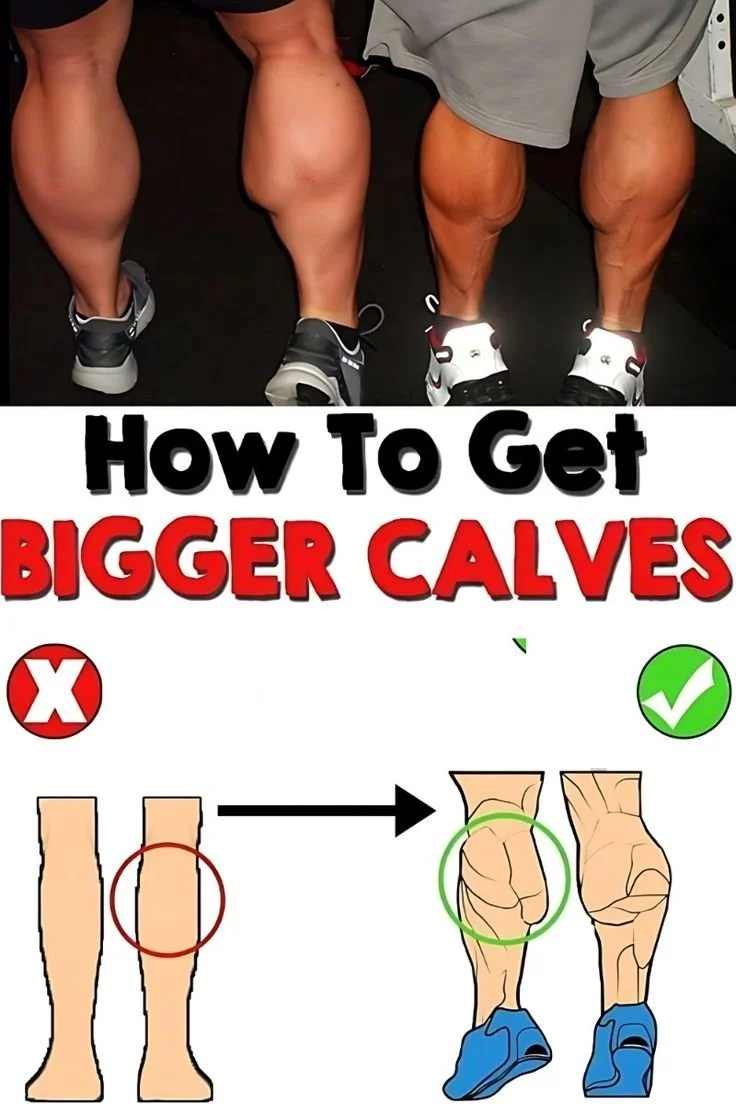
Bolder Calves: Fast, Smart Ways to Build Size
Getting bigger calves is a mix of knowing the right exercises, programming them properly, and supporting growth with nutrition and recovery. This guide gives clear, practical steps—exercises you can use today, how to set sets/reps/tempo, and small tweaks that make a big difference.
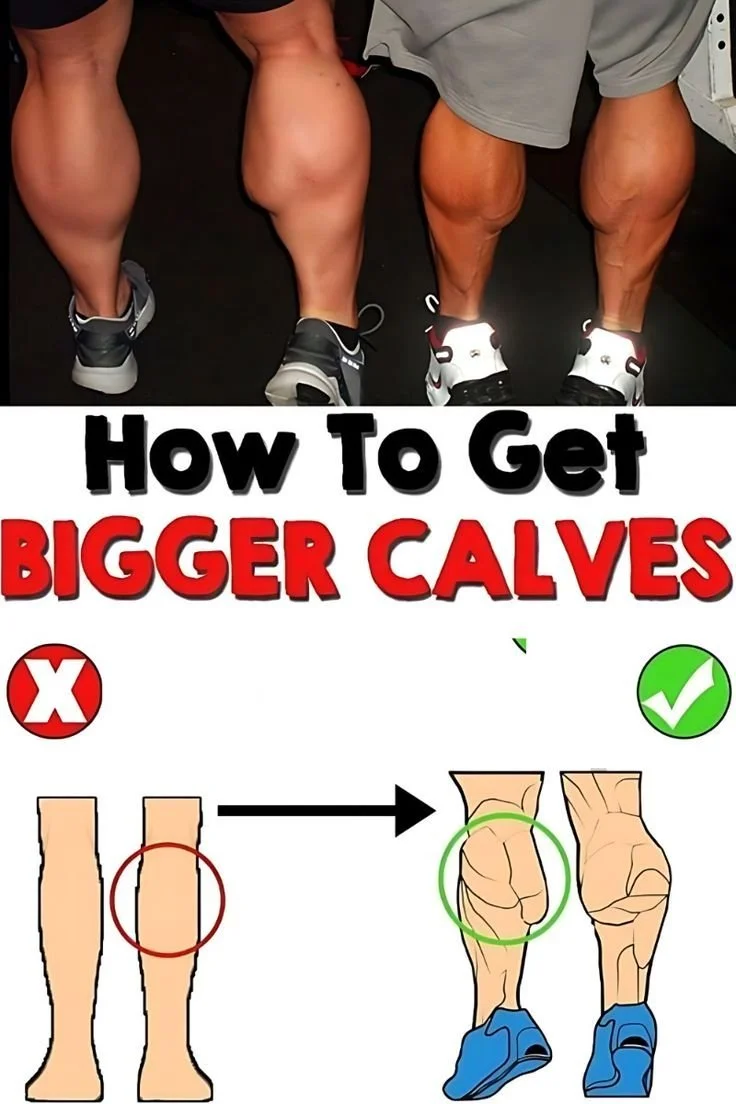
Why calves lag and what really works
Calf muscles (the gastrocnemius and soleus) respond differently than other muscles because they’re used constantly for standing and walking. That habitual use makes them tolerant to low-intensity work, so to grow them you need targeted overload, variation, and recovery. Start by prioritizing progressive tension and variety: heavy standing raises, seated work to target the soleus, and occasional explosive moves to recruit fast fibers. For day-to-day fueling and recovery tips that complement this plan, review these 24/7 body fueling tips.
Key anatomy and how it affects training
- Gastrocnemius: crosses the knee and ankle, best targeted with straight-leg (standing) calf raises.
- Soleus: deeper, active when the knee is bent—target it with seated calf raises and bent-knee variations.
Understanding this split ensures you program both heavy, low-rep standing work and higher-rep seated work to hit all fibers.
Best exercises (what to use and why)
- Standing Calf Raise (machine or barbell)
- Targets the gastrocnemius through a full range; use heavy loads for 6–12 reps or moderate weight for 12–20 with slow negatives.
- Seated Calf Raise
- Focuses the soleus; perform higher reps (12–25) and controlled tempo to build endurance and thickness.
- Donkey Calf Raise
- Great for full contraction and stretch; use for moderate reps and to vary stimulus.
- Farmer’s Walks on Toes / Hill Sprints
- Loaded carries on toes and short hill sprints add functional overload and work the calves under tension and stretch-shortening cycles.
- Plyometric Drops and Box Jumps
- Use occasionally to recruit fast-twitch fibers and improve explosive capacity.
For accessory balance and joint health, include single-leg calf raises and ankle mobility drills. If you train other areas of the body, pairing calf work with complementary protocols can help overall performance—see a sample approach for upper-body accessory work like the top cable exercises for shoulders to keep your program well-rounded.
Programming templates that get results
- Frequency: 2–4 calf sessions per week depending on recovery. Split sessions by intensity (heavy vs. volume).
- Example week:
- Day A (Heavy): Standing calf raises 5×6–8, slow 3–4s negatives.
- Day B (Volume): Seated calf raises 4×15–20, controlled tempo.
- Day C (Explosive/Endurance): Hill sprints 6–8 short reps or plyos + single-leg raises 3×12 each.
- Progressive overload: increase load, reps, or reduce rest over weeks. Track performance rather than just scale changes.
Technique, tempo and small tweaks
- Full range: get a deep stretch and full squeeze at the top of each rep.
- Tempo: try 2s concentric / 3s eccentric on heavy days and 1s/1s on plyo days.
- Foot position: vary toe-in, neutral, and toe-out to target different calf fibers and avoid adaptation.
- Shoes and surface: training barefoot or on a slightly elevated surface increases the range; use supportive shoes for heavy sets if needed.
Recovery, mobility and consistency
- Calves recover fairly quickly but respond to repeated stimulation; avoid daily max-effort work—schedule 48–72 hours between intense sessions.
- Mobility: ankle dorsiflexion drills and soft-tissue work reduce stiffness and allow fuller stretch under load.
- Nutrition and body composition: muscle growth needs a calorie and protein surplus; for practical meal timing and fueling strategies that support hypertrophy, also read this guide on getting visible abs which covers core nutrition habits that apply to overall muscle-building goals in how to get 6-pack abs.
Mindset and consistency
Small, consistent tweaks beat sporadic heavy sessions. Developing training habits, confidence to push weights, and the discipline to report performance matters. If you want strategies to strengthen your training mindset and assertiveness in sticking to a plan, this article on how to be more assertive offers useful tips.
Conclusion
For a compact, exercise-focused resource covering the most effective calf movements and programming ideas, check this detailed calf workout guide from ISSA: Calf Workout: Top Exercises for Building Bigger Calves – ISSA.



GIPHY App Key not set. Please check settings