

 amanda cohen
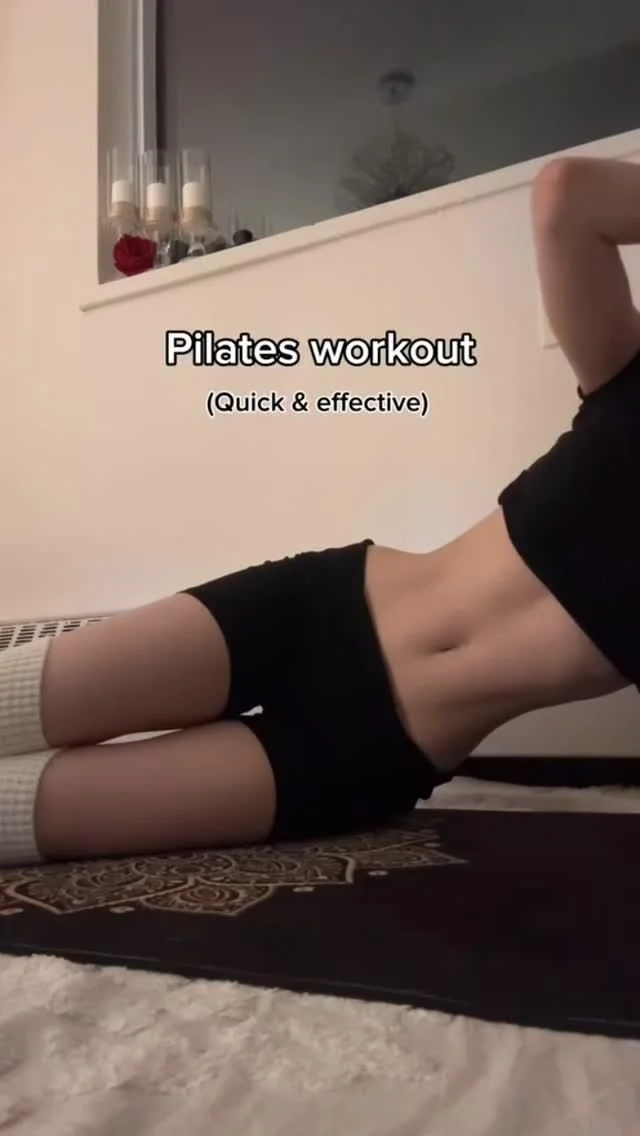
Try This at Home: Leila’s 2025 Pilates Abs Routine (3–5×/week)
A short Instagram clip from Leila — captioned “Try this at home, 3–5x a week 1:1 coaching in my bio 🤎 #absworkout #pilates #homeworkout Cc:Melanie (on tiktok)” — sparked interest for good reason. It’s a compact, pilates-infused abs routine that’s safe for most people and easy to repeat regularly. Beyond the movements, the video also highlights a growth mindset and consistency — themes explored in personal training reflections like this approach to strength and mindset — which help explain why short, consistent workouts produce lasting results.
This article breaks down Leila’s routine, explains technique, suggests progressions and weekly scheduling, and covers nutrition basics so your results match your effort.
Why pilates-style abs work?
Pilates emphasizes control, alignment, and breath — ideal for training the deep core (transverse abdominis, pelvic floor, multifidus) as well as the visible rectus abdominis. Leila’s sequence uses small, precise movements rather than big, swinging sit-ups. That reduces lower-back strain while improving posture and functional strength for daily activities.
The 20-minute at-home routine (3–5× per week)
Do this circuit 3–5 times per week. Warm up 3–5 minutes (march in place, hip circles, cat–cow). Perform each exercise for the prescribed time or reps, then rest 15–30 seconds between moves. Repeat the circuit 2–3 times depending on fitness level.
- Pilates hundred (modified): 30 seconds — Legs bent tabletop, small arm pumps, breathe 5 counts in / 5 counts out.
- Single-leg stretch: 12 reps per side — Keep the neck long and shoulders relaxed.
- Double-leg stretch (controlled): 10–12 reps — Focus on exhaling to draw the navel to the spine.
- Teaser prep (roll-up progression): 6–8 reps — Start with bent knees if full teaser is too hard.
- Heel taps on back: 30 seconds — Lower heels to hover and tap the floor; maintain pelvic stability.
- Plank shoulder taps: 30 seconds — Perform from knees or toes; avoid rocking hips.
- Side plank (knee or full): 20–30 seconds per side — Keep hips stacked and core braced.
- Slow bicycle (focus on obliques): 30 seconds — Controlled rotations, not speed.
Cool down with gentle spinal twists and diaphragmatic breathing for 3–5 minutes.
Technique tips and common mistakes
- Breathe: Exhale on effort. In pilates, coordinated breathing improves core engagement and endurance.
- Quality over quantity: Small, precise movements yield better activation than high-rep momentum.
- Neutral spine: Avoid overarching the lower back. If you feel strain, bend the knees or reduce range.
- Neck support: Hands behind the head can help, but don’t pull on the neck — lift from the chest.
- Progress gradually: Increase sets or time before adding harder variations.
Progressions and variations
- Make it easier: Reduce circuit rounds, work from knees, shorten hold times.
- Make it harder: Add a lighter ankle weight, extend legs further in tabletop, or hold longer isometric positions (e.g., plank to 45–60 seconds).
- Add instability: Use a small balance cushion or folded blanket under hands/feet to challenge coordination.
Weekly schedule example
- Beginner: 3 sessions/week (e.g., Mon/Wed/Fri) + 20–30 minutes light cardio on two other days.
- Intermediate: 4 sessions/week (Mon/Tue/Fri/Sat) + one HIIT or resistance session.
- Advanced: 5 sessions/week with mixed Pilates, weighted core work, and varied intensities.
Always include at least one full rest or active-recovery day each week.
Nutrition and recovery basics
Abs are built in the gym and revealed in the kitchen. Don’t fall for fad fixes — sustainable nutrition focuses on whole foods, portion control, and consistent protein intake to support muscle repair. If you’re curious about myths that derail progress, consider resources that go into detail on common misconceptions, like debunking common diet misconceptions. Aim for balanced meals, stay hydrated, and prioritize sleep to optimize recovery and body composition.
Safety and when to scale back
- If you have pregnancy-related concerns, diastasis recti, or any spinal issues, consult a healthcare professional before starting.
- Pain vs. discomfort: Sharp pain (especially in the lower back or neck) is a signal to stop and modify. Mild muscle fatigue and burning are normal.
- Listen to your body: Some days require lighter sessions — that’s still progress if you show up.
Coaching and next steps
Leila’s video mentions 1:1 coaching in her bio — personalized guidance can help you progress faster than solo work, especially if you need technique corrections or tailored programming. If you can’t access coaching, record yourself and compare to reliable form cues, or work with a local instructor for a few sessions.
Conclusion
Leila’s pilates-based abs workout is an accessible, effective routine you can do at home 3–5 times per week. Focus on control, breathing, and consistency, pair the work with sensible nutrition and recovery, and scale the routine to your fitness level. With time and steady practice, you’ll build a stronger, more resilient core that supports both aesthetics and function.

GIPHY App Key not set. Please check settings